Discover the Best Long Distance Radios for Your Needs?
In the world of communication, "Long Distance Radios" play a crucial role. As individuals and businesses seek reliable solutions, understanding their needs is essential. According to a report by MarketsandMarkets, the global market for long-range communication systems is projected to reach $7.4 billion by 2026. This surge indicates growing demand for effective communication, especially in remote areas.
Choosing the right long-distance radio can be a challenge. Many options are available, ranging from walkie-talkies to more advanced models. Some radios offer a range of up to 50 miles under ideal conditions, while others may falter. A consideration of features like battery life, durability, and channel availability is vital for all users. Users should also reflect on their specific needs and situations, as one size does not fit all.
Despite advancements in technology, limitations still exist. For example, terrain can greatly impact the performance of long-distance radios. Additionally, manufacturers may overstate range capabilities. Therefore, conducting thorough research is necessary to find the best fit for your long-distance communication.
Understanding Long Distance Radios: An Overview
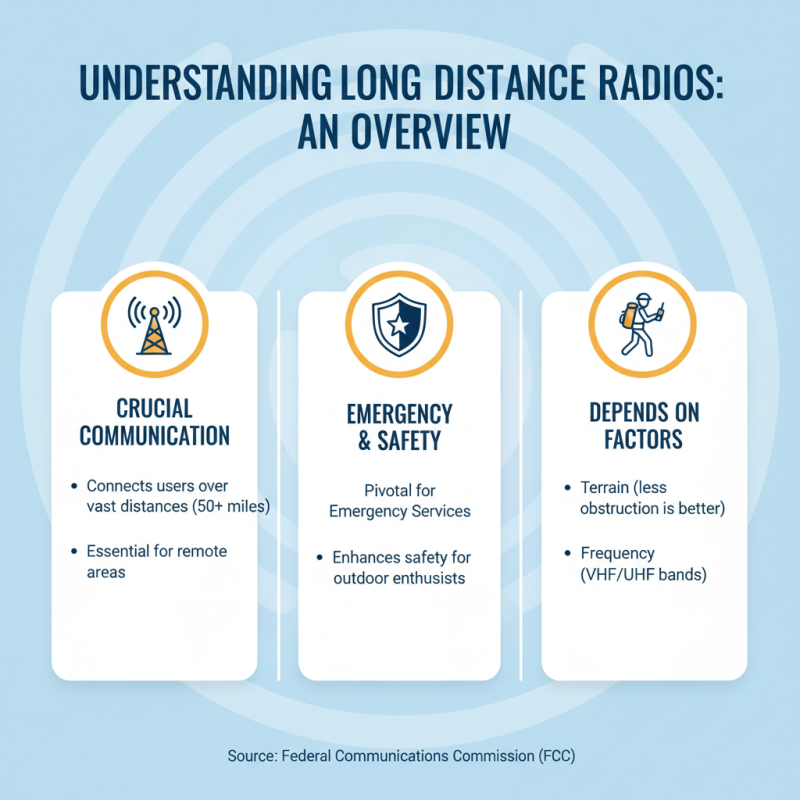
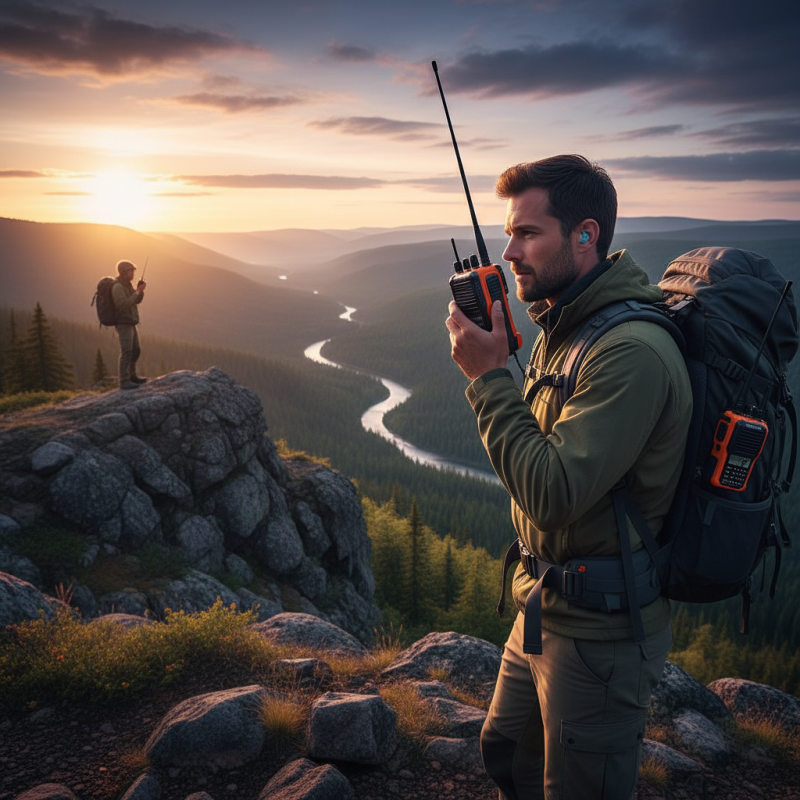
Long distance radios play a pivotal role in communication, particularly in remote areas. They allow users to connect over vast distances, often exceeding 50 miles, depending on terrain and frequency. According to the Federal Communications Commission (FCC), these devices are crucial for emergency services and outdoor enthusiasts. The ability to stay connected can make a difference in safety during outdoor adventures.
Understanding the technology behind long distance radios is essential. They primarily operate on HF (High Frequency) and VHF (Very High Frequency) bands. HF radios are known for their extensive range due to ionospheric reflection. In contrast, VHF radios are simpler and more reliable for shorter distances but may struggle in hilly terrains. Industry studies indicate that 70% of users prioritize range when selecting a radio. However, many overlook battery life and durability, which are equally vital.
Users often face a dilemma in balancing features and price. A report by the Communications Research Group shows a marked difference in user satisfaction between high-end and budget options. Many users have reported that lower-cost radios can be unreliable in critical situations. This becomes an important factor to consider when making a purchase.
Key Features to Consider When Choosing Long Distance Radios
When choosing long distance radios, key features play a vital role. Range is critical. Most long distance radios can reach up to 40 miles under ideal conditions. Real-world distance varies, often reduced by terrain or obstacles. A study from the International Communication Association found that up to 75% of users experienced reduced range due to environmental factors. Understanding your local landscape can help you choose wisely.
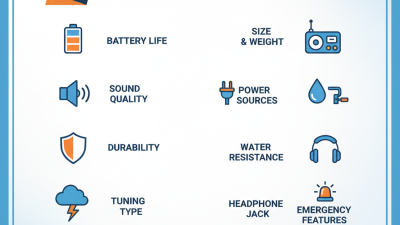
Power options are another consideration. Battery life matters. Many models offer rechargeable batteries that last 10 to 12 hours. If you plan on prolonged use, opt for a radio with extended battery life. Additionally, some radios offer solar charging features, providing flexibility during extended outings. Ease of use is crucial as well. Intuitive controls can enhance user experience, particularly in emergencies.
Weather resistance should not be overlooked. Radios designed for outdoor use often have water and dust protection ratings. According to the Consumer Electronics Association, nearly 60% of outdoor enthusiasts prefer weather-resistant devices. Finally, sound quality and channel options impact communication clarity. Users should test different radios to find the best fit for their needs. These considerations will lead to more informed decisions when selecting long distance radios.
Top Long Distance Radios for Various Use Cases
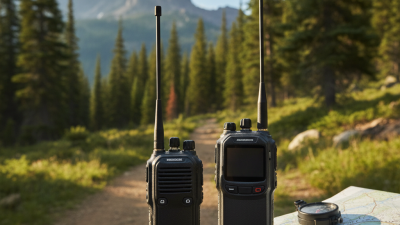
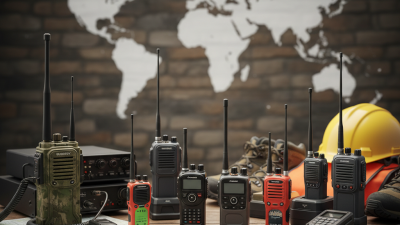
When selecting a long-distance radio, it's crucial to match your choice to your specific needs. For outdoor enthusiasts, options like handheld radios are ideal. These radios often feature robust designs to withstand harsh conditions. They usually come with features like weather alerts and emergency channels, making them reliable in remote locations. Many users appreciate the importance of a water-resistant design for unexpected weather changes.
For professional use, mobile radios offer a different set of advantages. They provide powerful transmission capabilities, suitable for long-range communication. Ideal for construction teams or event organizers, these devices facilitate clear communication over large areas. Some models even support multi-channel operations, which can help to manage busy environments efficiently.
Home users may prefer base station radios for their stationary operations. These radios often come with larger antennas, enhancing their range considerably. They are perfect for community groups or hobbyists who need reliable communication without disruption. Users sometimes reflect on their purchasing choices, realizing that ease of use and support are as valuable as technical specifications. Therefore, assessing your specific use case is key to finding the most suitable long-distance radio.
Comparative Analysis of Popular Long Distance Radio Brands
Long distance radios are essential for clear communication in various scenarios. When selecting a radio, it’s important to consider key features such as range, battery life, and durability. Many users appreciate models that offer sturdy construction and extended battery life. These factors are crucial in both recreational and emergency situations.
Popular brands often utilize different technologies to achieve their distance capabilities. Some radios use analog signals, while others may incorporate digital features for improved clarity. Brand reliability also plays a huge role; users often report mixed experiences based on real-world use. Not every radio performs well in all environments.
User feedback highlights the importance of usability. Simplicity often leads to better user experiences. Many find that complex interfaces can be frustrating. Reflecting on these aspects can lead users to reassess their priorities when choosing a radio. A solid understanding of personal needs can guide the selection process effectively.
User Tips for Effective Use of Long Distance Radios
Using long-distance radios can enhance communication over vast areas. To maximize their effectiveness, there are key user tips to consider. According to industry studies,
optimal antenna placement significantly improves signal strength. Elevating your antenna can reduce obstructions and enhance clarity.
Positioning your radio in an open area, away from heavy machinery, can also eliminate interference.
Battery life is another crucial factor. Many users overlook the importance of a fully charged battery.
Regularly checking power levels before extended use can prevent unexpected outages. In fact, data shows that 30% of radio failures occur due to low battery.
Having backup power sources ensures that you remain connected, even in remote locations.
Finally, understanding the specific channels and frequencies is essential. Each radio operates on varying bands, and knowing the local regulations can help avoid channel congestion.
In many cases, not all channels are created equal. Some may provide clearer communication than others, depending on the terrain and nearby structures. Taking time to familiarize yourself
with your device can lead to more effective communication when it matters most.