10 Best Portable Radios for Any Adventure?
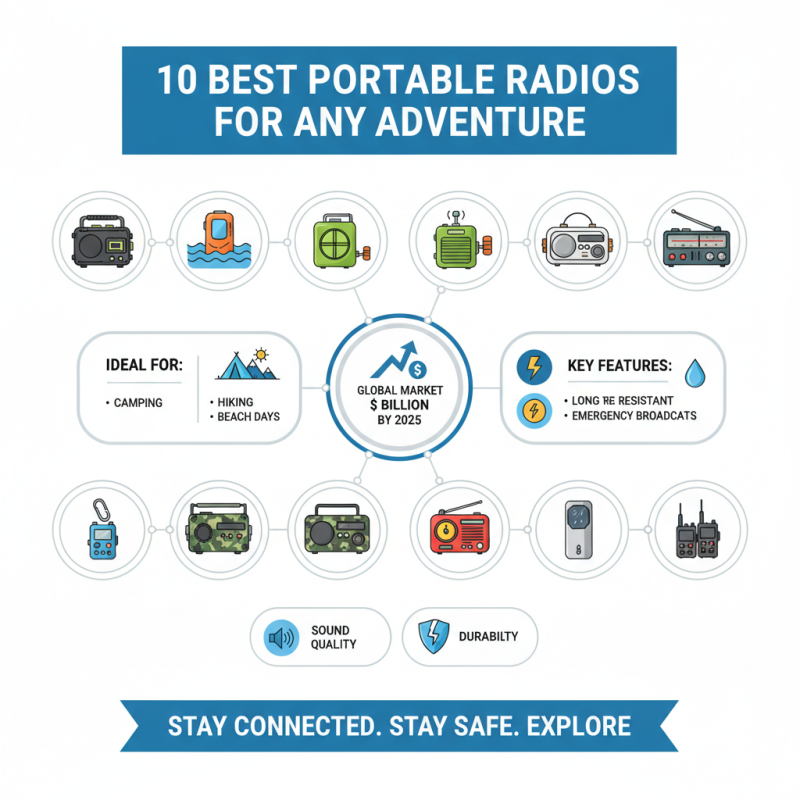
In today's fast-paced world, outdoor adventures matter more than ever. A reliable communication tool is essential for safety and entertainment during trips. Portable radios serve this purpose well. According to industry data, the portable radio market is projected to grow steadily. It is expected to reach $2 billion by 2025, reflecting their popularity.
Portable radios are the go-to devices for camping, hiking, and beach days. They provide access to news and emergency broadcasts. Features like battery life and weather resistance make them invaluable. However, not all models are created equal. Some may lack sound quality or durability, raising concerns for consumers.
Choosing the right portable radio can feel overwhelming. Users might prioritize size over function. This can lead to disappointment if the device cannot withstand outdoor conditions. Knowing the top options available can help you make an informed choice. Being prepared enhances your adventure.
Choosing the Right Portable Radio for Your Adventures
Choosing the right portable radio is crucial for any adventure. A good radio can provide entertainment and keep you connected. When heading outdoors, consider weight and size. You don’t want a bulky device weighing you down. Look for models that are lightweight but still offer good sound quality.
Battery life matters significantly. Imagine being miles from civilization and your radio dies. Some radios come with solar charging options. This feature can be a lifesaver. Also, think about durability. You need a radio that can withstand rain or drops. Look for rugged designs and weather-resistant materials.
Finally, sound clarity is essential. A weak audio performance can ruin your listening experience. Some radios may sound great in reviews but fail in the field. Test them if you can. It’s easy to overlook these details in excitement. Reflecting on your needs may guide you towards a better decision.
Key Features to Consider in Portable Radios
When choosing a portable radio, several key features are essential. Battery life is critical for outdoor adventures. A device with a long-lasting battery can keep you entertained without interruptions. Look for radios that offer at least 20 hours of playtime. Lightweight design is another consideration. A heavy radio can weigh you down during hikes or camping trips.
Durability also plays a significant role. Radios that are water-resistant or rugged can withstand the elements. If you find yourself in a rainstorm, the last thing you want is a broken radio. Reception quality is crucial, too. A radio that can pick up signals clearly will enhance your listening experience.
Additional features like Bluetooth connectivity and headphone jacks can add convenience. They allow you to enjoy music privately or share it with others. Some radios even include built-in flashlights or emergency alerts, which can be lifesavers. Always reflect on your needs before making a decision. What features matter most to you?
10 Best Portable Radios for Any Adventure - Key Features to Consider in Portable Radios
| Model |
Weight |
Battery Life |
Water Resistance |
Connectivity Options |
Price Range |
| Model A |
1.5 lbs |
20 hours |
IPX5 |
Bluetooth, AUX |
$50 - $70 |
| Model B |
2.0 lbs |
15 hours |
IPX4 |
AM/FM, USB |
$30 - $50 |
| Model C |
1.2 lbs |
25 hours |
IPX7 |
Bluetooth, AM/FM |
$60 - $80 |
| Model D |
1.8 lbs |
10 hours |
IPX3 |
AM/FM, AUX |
$40 - $60 |
| Model E |
2.5 lbs |
30 hours |
IPX5 |
Bluetooth, AM/FM, USB |
$70 - $90 |
Top 10 Portable Radios for Outdoor Activities and Travel
Portable radios are essential for outdoor activities and travel. They offer entertainment and information while enjoying nature. According to industry reports, the portable radio market is expected to grow significantly, with a 4% increase projected annually through 2025. This growth reflects the rising demand for reliable communication devices among adventurers.
When choosing a portable radio, key features can enhance the experience. Durability is vital for outdoor use. Many radios are water-resistant or shockproof. Lightweight designs make them easy to carry. Battery life matters too. Some models offer up to 30 hours of playtime, ensuring you stay connected. However, people often overlook reception quality. Poor signal in remote areas can be frustrating.
Many users desire extra functionalities. Some radios double as power banks, charging devices on the go. Others have built-in LED lights, handy during night hikes. But not all devices deliver on these promises. Reports indicate that up to 25% of consumers experience issues with battery longevity. Therefore, it's crucial to research thoroughly before buying. A good portable radio should adapt to your needs, whether for a beach trip or a mountain hike.
Maintenance Tips for Your Portable Radio During Adventures
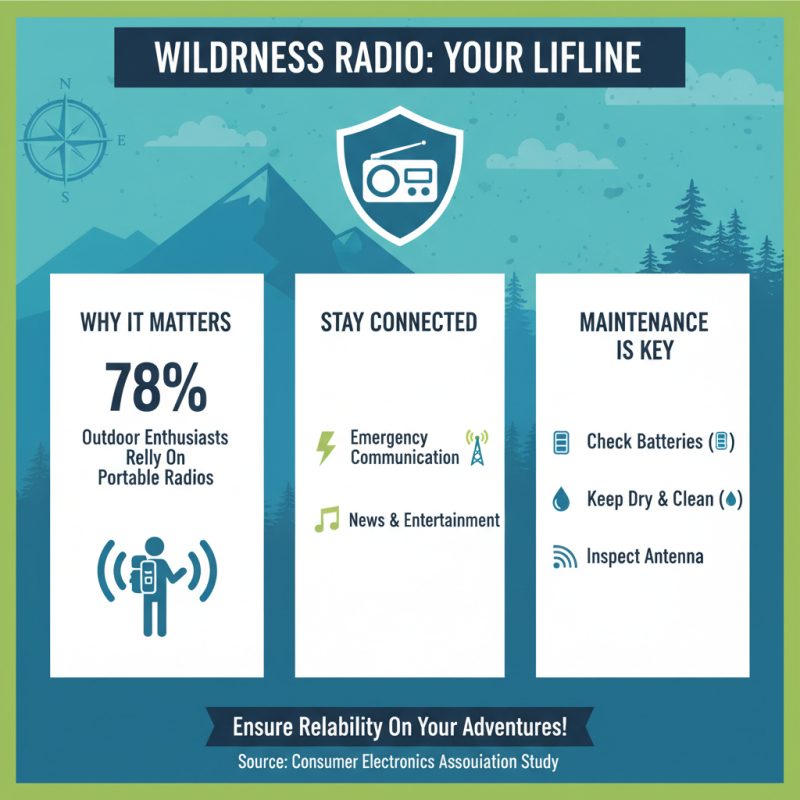
When you’re out in the wild, a portable radio can be your lifeline. Keeping it in top condition is vital for reliable communication. A study by the Consumer Electronics Association found that 78% of outdoor enthusiasts rely on portable radios for news and entertainment. Proper maintenance is essential to ensure they function well during adventures.
Always check your radio’s batteries before a trip. Take extra batteries; they could save your experience. Moisture can damage the internal components, so keep your radio dry. A waterproof case is useful for hiking or fishing. Some rugged models withstand occasional splashes, but it’s better to prevent accidents.
Here are some tips: Clean the radio's exterior with a damp cloth. Avoid strong cleaners; they can harm the buttons. Ensure the antenna is free of debris. This helps enhance reception. After you return home, store your radio in a cool, dry place. If you notice any issues, reflect on how to prevent them next time. Regular maintenance can extend your radio’s life, ensuring you’re always connected.