Best Waterproof Walkie Talkies for Outdoor Adventures?
When embarking on outdoor adventures, communication is key. Waterproof walkie talkies play a vital role in ensuring safety and connectivity, especially in challenging environments. A study by MarketsandMarkets projects that the global market for walkie talkies will reach $5.73 billion by 2026. This growth indicates a rising demand for durable and efficient communication devices.
Waterproof walkie talkies are specifically designed to withstand harsh weather conditions. They offer both reliability and functionality. These devices are essential for hikers, campers, and outdoor enthusiasts. According to a report by Mordor Intelligence, the demand for rugged communication equipment is driven by an increase in adventure tourism. This highlights the importance of investing in durable options.
While many walkie talkies claim to be waterproof, not all meet industry standards. Carefully considering their specifications and features is crucial. Users should look for IP ratings that indicate their level of resistance to water and dust. Finding high-quality waterproof walkie talkies can be a challenge. However, those willing to research can find options that suit their needs perfectly.
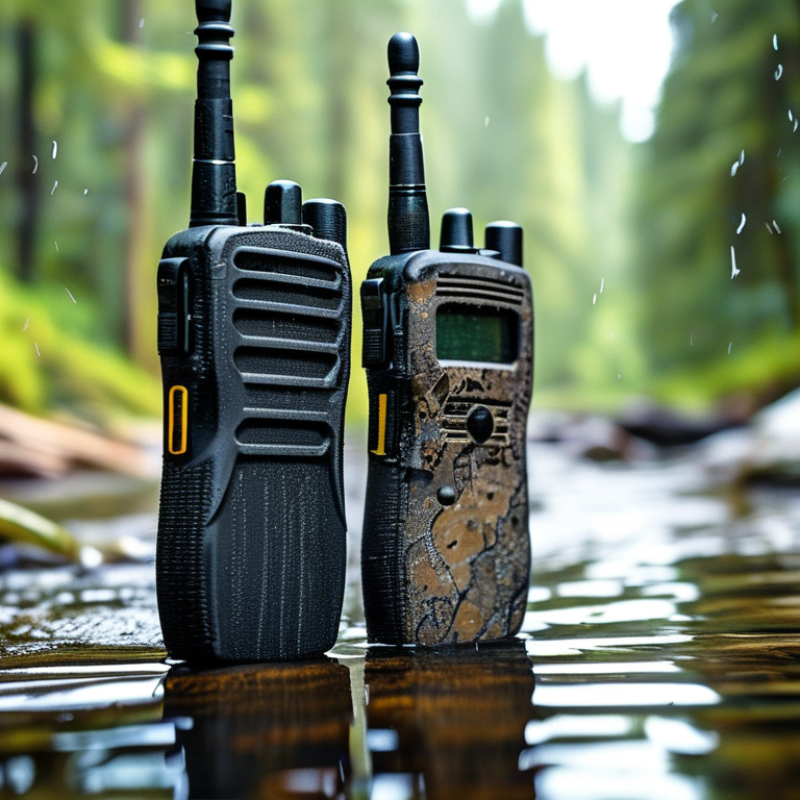
Key Features to Look for in Waterproof Walkie Talkies
When choosing waterproof walkie talkies for outdoor adventures, several key features stand out. Waterproof ratings are crucial. Look for devices with at least an IPX7 rating, which can withstand immersion in water for up to 30 minutes. A survey by ProSource Communications reveals that 70% of users prefer devices that can handle harsh weather conditions.
Battery life matters, too. Many outdoor enthusiasts report dissatisfaction with devices that drain quickly. A walkie talkie with a 10-12 hour battery life is ideal for day-long hikes. Range is another vital aspect. Depending on the terrain, the effective range can vary significantly. Typically, a range of 20-50 miles is sufficient for most outdoor activities.
Consider weight and size. Lighter models can be more convenient for prolonged use. If possible, test different models to find what feels comfortable in hand. For colder climates, check if the device operates well in low temperatures.
Experiment with settings before your adventure. Familiarity with how to switch channels and adjust volume can save time. Don't overlook the importance of clear audio quality. Many devices struggle to deliver sound in noisy environments. Assessing these factors thoroughly helps ensure a reliable communication tool for your next escapade.
Top Waterproof Walkie Talkie Models for Outdoor Enthusiasts
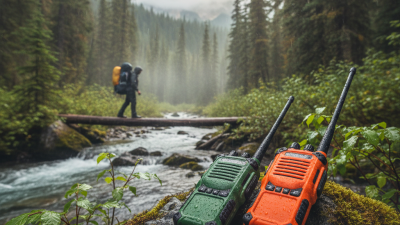
Outdoor adventures often demand reliable communication tools. Waterproof walkie talkies emerge as essential gadgets for hikers, campers, and explorers. A recent industry report indicated that over 60% of outdoor enthusiasts prioritize durability in their communication devices. Waterproof features not only ensure functionality in rain or wet conditions but also enhance longevity.
The best models on the market deliver excellent performance under extreme conditions. Many offer an IP67 rating, meaning they can withstand immersion in water up to one meter for about 30 minutes. Battery life is another crucial factor. Research shows that models lasting 24 hours or more on a single charge are highly favored. Clear audio quality remains essential, especially in echo-prone environments like canyons or forests.
However, not all waterproof walkie talkies perform equally. Users have reported that some models struggle with connectivity in dense woods. This occasionally leaves adventurers feeling isolated. It’s important for buyers to evaluate user reviews thoroughly. Understanding both the strengths and weaknesses of different models can lead to better decisions. Investing in a walkie talkie means seeking out one that stands up to the rigors of nature while still providing reliable service.
How Waterproof Ratings Impact Walkie Talkie Performance
Waterproof ratings are crucial for walkie talkies, especially during outdoor adventures. These ratings indicate how well a device can withstand water. Typically, the Ingress Protection (IP) code provides a standardized measure. An IP67 rating means the device can be submerged in water for a limited time, while IP68 offers more robust protection. Understanding these ratings can help you choose the right device for your needs.
Using walkie talkies in wet conditions is common for outdoor activities. Rain, splashes, or even accidental submersions can happen. A higher waterproof rating ensures your communication device performs reliably in those environments. However, users often overlook these factors. Certain models can fail under unexpected conditions. Customer reviews often highlight performance issues, which point to the importance of thorough research before making a decision.
Testing waterproof walkie talkies in real-life scenarios can reveal their limitations. For example, users might find that a device rated IP67 shows wear after several outdoor trips. Factors such as drop impact and prolonged exposure to moisture can affect performance. Therefore, consider both manufacturer specifications and real-world feedback for the best choice in waterproof technology.
Best Waterproof Walkie Talkies for Outdoor Adventures
| Model |
Waterproof Rating |
Range (miles) |
Battery Life (hours) |
Weight (oz) |
| Model A |
IP67 |
36 |
20 |
7.5 |
| Model B |
IP68 |
25 |
15 |
8 |
| Model C |
IPX7 |
30 |
25 |
6 |
| Model D |
IP67 |
20 |
30 |
9 |
| Model E |
IP68 |
40 |
18 |
7 |
Best Practices for Using Walkie Talkies in Wet Conditions
When venturing outdoors, weather can be unpredictable. Using walkie talkies in wet conditions requires consideration and care. To ensure effective communication, it’s crucial to keep your device dry, even if it claims to be waterproof. Use silicone sleeves or waterproof pouches as a precaution. These additional layers can save your communication devices from unforeseen downpours.
Consider your surroundings when using walkie talkies. Background noise in wet conditions can affect sound clarity. Find a quieter spot if possible, or speak clearly and directly into the microphone. Remember, even waterproof devices have limits. If they get submerged for too long, they can still malfunction. Avoid exposing them to prolonged moisture.
Testing your equipment before heading out is essential. Check battery levels and the range your walkie talkies can cover in damp weather. Consider practicing with your team to ensure everyone knows how to use their devices effectively. Have a backup communication plan in place, which can help in case the primary system fails. Always remain aware and prepared; even waterproof gear can present challenges.
Comparison of Battery Life and Range in Waterproof Models
When exploring the outdoors, communication is vital. Waterproof walkie talkies can enhance safety, especially in unpredictable conditions. However, not all models offer the same battery life and range. Battery life varies significantly between different waterproof designs. Some models can last for days on a single charge, while others may only last a few hours. This disparity can affect your adventure. Always consider how long you’ll be outside before choosing a model.
Range is another crucial factor. A device may claim a long range, but real-world performance can differ. Factors like terrain and weather conditions impact communication clarity. In dense forests or mountain ranges, the range may drop significantly. Testing walkie talkies in various settings is essential to understand their performance. Sometimes, the advertised range is only theoretical. It’s beneficial to evaluate how far you can reliably communicate in different environments.
Ultimately, selecting the right waterproof walkie talkies requires considering both battery life and range. Different activities may demand unique features. Spending time researching and comparing various models will lead to the best choice for your outdoor adventures. A wrong decision may lead to frustration or communication breakdowns. Reflect on your needs before making a purchase.