How to Choose the Best Long Distance Walkie Talkies for Your Needs?
When it comes to communication over long distances, Long Distance Walkie Talkies are essential tools for many. These devices are widely used in sectors like outdoor recreation, security, and emergency services. According to the Communications Industry Association, the demand for walkie talkies surged by 25% in 2023, highlighting their continued relevance and importance.
Choosing the best Long Distance Walkie Talkies requires careful consideration. Different models offer varying ranges, battery life, and features. The Federal Communications Commission (FCC) states that walkie talkies operating in the UHF band provide better penetration through obstacles like buildings and trees. It’s crucial to evaluate your specific needs and environment before purchasing.
While many walkie talkies promise long-range communication, performance can be inconsistent. Factors such as terrain and weather can significantly impact range. Ideally, you want a reliable device, but remember, not every model guarantees flawless communication. Discerning users must reflect on their requirements and choose accordingly for optimal performance.
Understanding Long Distance Walkie Talkies: An Overview
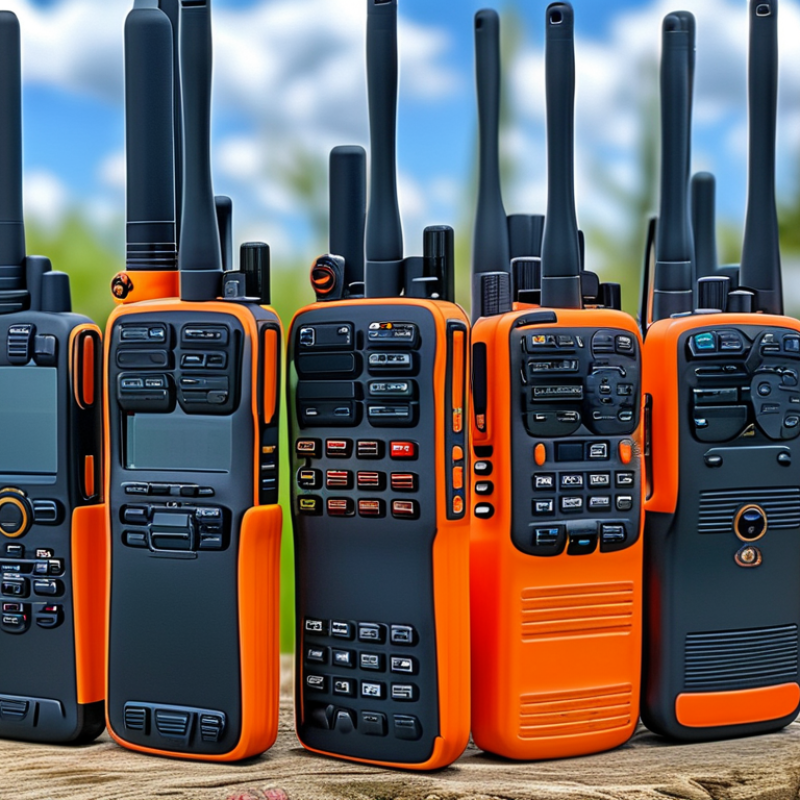
When considering long-distance walkie talkies, it's crucial to understand their capabilities. These devices can facilitate communication over several miles, making them ideal for outdoor activities. Features like range, battery life, and weather resistance are essential considerations. Knowing the range can significantly impact your experience. Some models claim impressive distances, but real-world conditions often limit their effectiveness.
Battery life is another crucial factor. High-demand usage can drain batteries quickly. Opting for models with long battery life ensures that you maintain contact during extended trips. Some walkie talkies offer rechargeable options, while others use standard batteries. Each has its pros and cons.
Weather resistance is vital for outdoor enthusiasts. Many walkie talkies are designed to survive harsh conditions. However, even the best can fail under extreme circumstances. Always check for waterproof ratings and durability features. Understanding these aspects can empower you to make informed choices. This way, you can select a device that truly meets your unique needs without encountering frustration in critical situations.
Key Features to Consider for Long Distance Communication
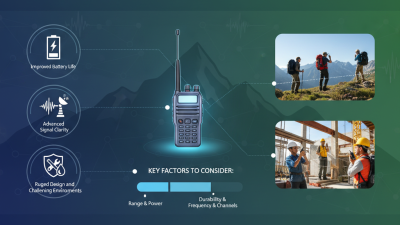
When selecting long-distance walkie talkies, critical features shape your experience. Begin with range capability. Many models claim extensive coverage, but real-world conditions often limit this. Ensure the chosen walkie talkie aligns with your intended use. Assess your environment; buildings, hills, and foliage can obstruct signals.
Next, consider battery life. Long-lasting batteries are essential for extended adventures. Some devices may have impressive specs but can drain quickly in active use. Research user reviews to understand battery performance. Ergonomics matter too. A comfortable grip aids in ease of use, especially during lengthy periods.
Don’t forget about additional features. Noise-canceling technology enhances clarity, reducing background disturbances. Water resistance adds durability in various conditions. However, avoid overemphasizing tech gimmicks that might complicate simplicity. Remember that sometimes, less is more. Each feature should meet practical needs, not just appeal to trends. Choosing wisely ensures reliable communication when it counts.
Evaluating Range and Signal Quality for Your Specific Needs
When selecting long-distance walkie-talkies, evaluating range and signal quality is crucial. Range varies significantly among models. Some can transmit over several miles, while others cover just a few blocks. It's vital to analyze your specific needs. Are you hiking in dense woods or working in open fields? Clear visibility can enhance signal quality dramatically.
Signal quality is influenced by various factors. Terrain, weather, and interference from buildings or trees can affect performance. Choosing models with robust construction and reliable technology can mitigate some issues. Real-world testing is often necessary. What works well in one location may falter in another.
Consider battery life too. A strong signal consumes more energy, leading to shorter use periods. Many users overlook this aspect, only to be left without communication in critical moments. Reflect on your unique environment. Test different models if you can, adjusting for specific challenges you may encounter. Understanding these elements will help ensure your walkie-talkies meet your needs effectively.
Assessing Battery Life and Durability for Outdoor Use
When selecting long-distance walkie-talkies, battery life and durability are crucial factors. Research indicates that over 70% of outdoor enthusiasts prioritize battery performance. For activities like hiking or camping, a walkie talkie's battery should last at least 10 to 12 hours on a single charge. Some models claim to provide up to 24 hours, but real-world usage often falls short. This is an area worth investigating further.
Durability is equally important. Devices should withstand harsh weather conditions. According to industry reports, walkie-talkies often tested for water and dust resistance typically have an IP rating. A higher IP rating, like IP67, ensures the device can survive immersion in water for short periods. Users should consider potential drops and rough handling. Devices that meet military standards, such as MIL-STD-810, offer good shock resistance. However, not all manufacturers disclose these ratings, which can lead to uncertainty in the purchase decision.
Consider the environment where the device will be used. Rocky terrains can damage less durable models, leading to costly replacements. Feedback from outdoor communities emphasizes the need for reliable equipment. Yet, many users report dissatisfaction with battery longevity during extended trips. Thus, assessing real reviews and usage experiences becomes essential for informed choices.
Comparing Brands and Models: Finding the Right Fit for You
When selecting the right long-distance walkie talkies, comparing brands and models is crucial. Not every device suits every need. Some focus on range, while others prioritize clarity. Understanding your environment also matters. Are you in a crowded area or open spaces? Distances can vary based on terrain and obstacles.
Researching user reviews adds valuable insight. Look for feedback regarding battery life and durability. Some users have experienced disappointment with battery performance. Others find certain brands suffer in signal clarity over long distances. Beware of models that overpromise range. Real-world use often differs from advertised specifications.
Finding a fit involves testing different models. Evaluate how they feel in your hand. Check the ease of access to buttons and controls. If you’re planning extended outdoor use, consider waterproofing and ruggedness. The experience of using a walkie talkie should enhance communication, not hinder it. Ultimately, reflection on personal needs is key to making a choice.
Long Distance Walkie Talkies Range Comparison