Why Choose Portable Radios for Your Communication Needs?
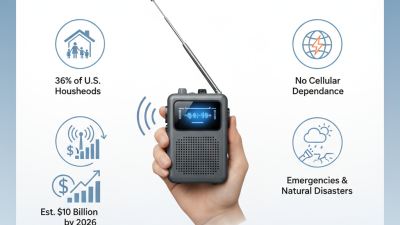
In today's fast-paced world, effective communication is vital for many industries. Portable radios stand out in their ability to provide reliable communication in various environments. According to a recent report by MarketsandMarkets, the global portable radio market is expected to grow significantly, reaching USD 18.4 billion by 2026. This growth demonstrates the increasing demand for efficient communication solutions.
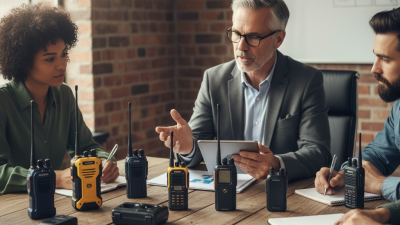
Expert John Smith, a leading figure in the portable radio industry, emphasizes, "Portable radios are essential for seamless communication, especially in emergency situations." These devices offer immediate access to communication channels, making them an invaluable tool for first responders, construction teams, and event coordinators. Users appreciate their durability and ease of use.
Yet, challenges persist in optimizing technology within this sector. Battery life and range can sometimes be limiting factors. Selecting the right portable radio requires careful consideration of specific needs and environments. Overall, the advantages of portable radios make them a crucial investment for businesses seeking reliable communication.

Benefits of Portable Radios for Everyday Communication
Portable radios offer distinct advantages for everyday communication. One key benefit is their reliability. Unlike smartphones, portable radios function even in remote areas with limited signal. This can be crucial during outdoor adventures or emergencies. The compact design makes them easy to carry, ensuring you stay connected when needed.
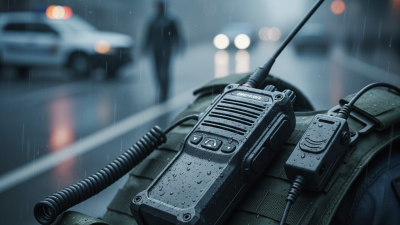
Another important aspect is durability. Portable radios are often built to withstand harsh conditions. They can handle exposure to water, dust, and impact. This robustness gives users confidence, especially in situations where equipment failure is not an option. Furthermore, they require less frequent charging, reducing the risk of losing communication in critical moments.
While portable radios are effective, they demand some learning. Users must understand frequencies and channels for optimal use. Some may find the interface less intuitive than a smartphone. These nuances can be frustrating at first. Yet, mastering them can enhance communication. With practice, users can appreciate these devices’ unique strengths in their daily lives.
Benefits of Portable Radios for Everyday Communication
Key Features to Consider in Portable Radios
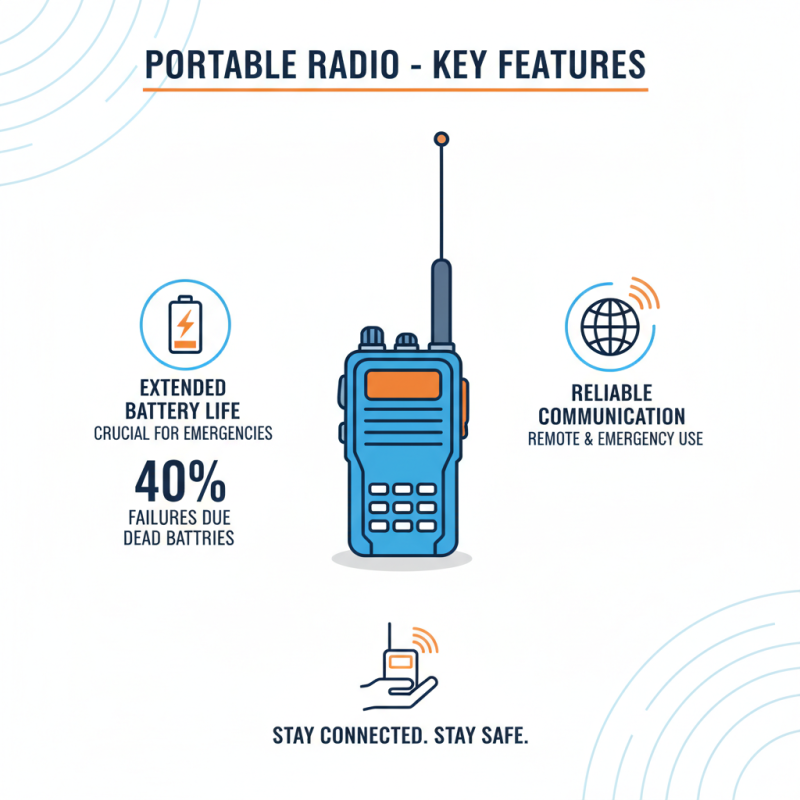
Portable radios are a reliable choice for communication, especially in emergencies or remote areas. When selecting a portable radio, consider features that enhance its practicality. Battery life is crucial; a radio should last several hours to ensure continuous use during crises. Research shows that up to 40% of communication failures in emergencies stem from dead batteries.
Next, consider the frequency bands. Dual-band radios that can access both VHF and UHF frequencies are recommended. They provide better coverage in varied terrains. A study by the Communications Research Center indicates that multi-band radios offer up to 30% improved reception in challenging environments.
**Tip:** Always check the weather alert function. This feature keeps you informed of severe weather conditions, which can be life-saving.
Also, the size and weight of the radio matter. Lightweight designs are more portable for outdoor activities, but they should still be durable. Many users regret choosing a heavier model that becomes cumbersome over time.
**Tip:** Look for radios with a built-in flashlight. This adds convenience, especially during power outages. Investing time in understanding these specifications can lead to better, more reliable communication solutions.
Comparing Portable Radios with Other Communication Devices
Portable radios are essential for effective communication, especially in situations where other devices might fail. Unlike smartphones, they do not rely on cellular signals, making them reliable in remote areas or during emergencies. The simplicity of portable radios means they are user-friendly and can be operated by almost anyone, regardless of age or technical skill.
When comparing portable radios with other communication devices, it's crucial to consider aspects like range, durability, and battery life. Portable radios often have a longer range than many mobile phones, ensuring you stay connected over vast distances. They are built to withstand harsh conditions, making them ideal for outdoor activities. However, some might find their limited functionality a drawback, as they primarily serve basic communication needs.
**Tips:** Choose a model with a robust battery to avoid interruptions during critical times. Check reviews focusing on durability and performance. Lastly, be mindful of your location and potential obstacles that may affect signal strength.
Common Use Cases for Portable Radios in Various Environments
Portable radios serve various communication needs across different environments. In construction sites, for example, these radios ensure workers stay connected. The loud machinery can drown out sound, but a reliable portable radio cuts through the noise. Workers can communicate quickly and efficiently to enhance safety and collaboration.
In outdoor activities like hiking or camping, portable radios are invaluable. They allow groups to maintain contact even in remote areas without cell signal. These devices are lightweight and easy to carry. Their durability makes them suitable for rugged terrains. However, users may need to learn about their range limitations. Sometimes, signals can drop in dense forests or mountainous regions.
Additionally, portable radios play a crucial role in emergency situations. During natural disasters, they provide updates when other communication methods fail. Although they’re not foolproof, their simplicity can be a lifeline. Users should regularly check battery life and functionality. Reflecting on these factors can optimize their use in critical moments.
Why Choose Portable Radios for Your Communication Needs?
| Use Case |
Environment |
Key Benefits |
Typical Range |
| Construction Sites |
Outdoor |
Durability and quick communication |
Up to 5 miles |
| Event Coordination |
Indoors/Outdoors |
Immediate updates, team coordination |
Up to 3 miles |
| Emergency Services |
Various |
Reliable communication in critical situations |
Up to 10 miles |
| Outdoor Activities |
Mountains, Parks |
Easy communication during adventures |
Up to 15 miles |
| Agriculture |
Farmlands |
Coordination over large areas |
Up to 6 miles |
Tips for Maintaining and Extending the Life of Portable Radios
Portable radios are essential for seamless communication, especially in outdoor settings. To ensure they last long and perform well, regular maintenance is key. Start by keeping your radio clean. Dust and dirt can accumulate, affecting sound quality. Use a soft cloth to wipe surfaces regularly. This simple action can make a significant difference.
Battery care is equally important. Always charge batteries as recommended. Overcharging can shorten their lifespan. Try using your radio periodically, even if you don’t need it every day. This habit helps keep the internal components functioning smoothly. Monitor the battery’s performance, and replace it if you notice any decline.
Lastly, handle your radio with care. Accidental drops can damage the exterior and internal mechanisms. Consider investing in a protective case. While this might seem like an extra expense, it pays off in the long run. Such small practices can maintain the performance of your portable radio, ensuring it remains reliable when you need it the most.