Why Choose Walkie Talkie Phone for Effective Communication?
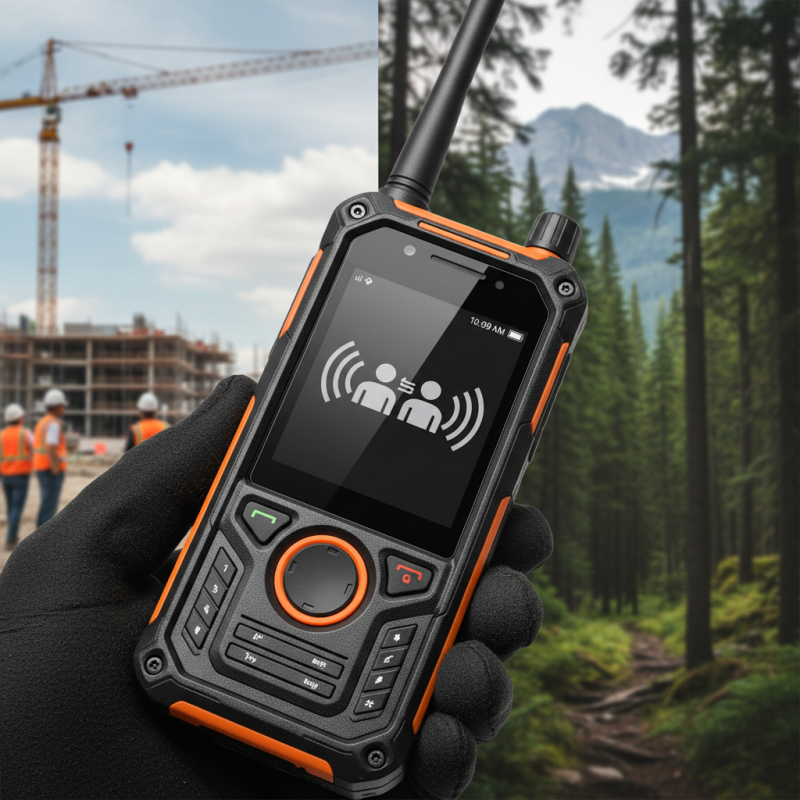
In a world where instant communication is vital, the "Walkie Talkie Phone" stands out as a practical tool. Its unique design blends traditional walkie-talkie capabilities with modern smartphone features. This combination ensures clear and reliable communication in various settings, from outdoor adventures to busy workplaces.
The simplicity of a Walkie Talkie Phone allows users to stay connected without the complexity of apps or data plans. It's especially useful in environments where cellular signals are weak or nonexistent. Imagine a construction site where quick exchanges matter. A Walkie Talkie Phone can provide instant updates without delays.
While the benefits are evident, it's important to consider potential drawbacks. Walkie Talkie Phones might lack some smartphone functionalities, and their range can be limited. Reflecting on these aspects can help users make informed choices. Balancing efficiency and practical needs is crucial for effective communication.
Benefits of Walkie Talkie Phones for Instant Communication
Walkie Talkie phones are redefining instant communication in various settings. These devices excel in environments where quick and reliable communication is crucial. For example, think about large outdoor events or construction sites. Users can instantly connect without the limitations of traditional cell phone coverage. This boosts team coordination and efficiency, especially in busy locations.
The simplicity of use adds to their appeal. Walkie Talkie phones typically feature straightforward buttons and controls. There's no need for complicated apps or signal searches. Users can focus on their tasks. Additionally, the robustness of these devices makes them a practical choice for tough environments. They can withstand dust, moisture, and impacts, ensuring reliable communication.
However, reliance on walkie talkie phones does have its challenges. For instance, communication can become chaotic with multiple users talking at once. There is also a need for continuous battery monitoring since they can drain quickly in heavy use. These considerations are important for effective operation. Balancing their advantages with awareness of their limitations can help in selecting the right tools for communication needs.
Why Choose Walkie Talkie Phone for Effective Communication? - Benefits of Walkie Talkie Phones for Instant Communication
| Feature |
Description |
Benefit |
| Instant Communication |
Allows for immediate voice communication with the push of a button. |
Reduces response time compared to traditional methods. |
| Durability |
Designed to withstand tough conditions and rough handling. |
Ideal for outdoor and industrial environments. |
| Long-range Communication |
Can operate over several miles, depending on the terrain. |
Facilitates communication in large areas and remote locations. |
| Cost-effective |
No ongoing cell or data plan fees. |
Great for organizations looking to save on communication expenses. |
| Group Communication |
Allows multiple users to communicate simultaneously. |
Enhances team coordination and collaboration. |
| User-Friendly Interface |
Designed for ease of use, even for non-technical users. |
Reduces training time and improves user adoption. |
How Walkie Talkie Phones Enhance Team Coordination in Various Settings
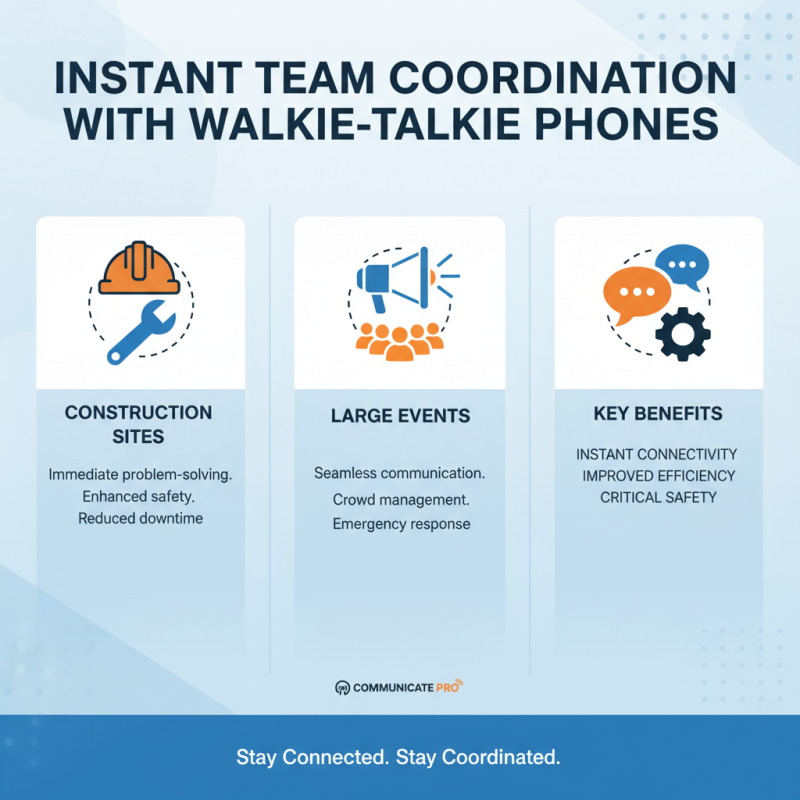
Walkie-talkie phones are essential for team coordination in various settings, such as construction sites and large events. These devices allow instant communication, crucial for maintaining safety and efficiency. Imagine a busy construction site with workers stationed far apart. A quick message can address issues immediately, reducing downtime.
In unpredictable environments, real-time communication is vital. Walkie-talkie phones are designed for durability, ideal for rough use. Their ability to function in noisy situations helps teams stay connected. Yet, poor signal strength in certain areas can disrupt communication. Teams must ensure proper use of channels to avoid overlaps.
Using walkie-talkie phones can foster teamwork but requires some adjustment. New users may struggle with the technology initially. Offering training sessions can bridge this gap. When teams adapt, the benefits of seamless communication become clear. Enhanced coordination can lead to increased productivity and safety in various tasks.
Durability and Reliability: Key Features of Walkie Talkie Phones
When considering effective communication solutions, durability and reliability stand out.
Walkie talkie phones are designed for demanding environments. Their rugged construction resists drops, water, and dust. Many users operate these devices outdoors or in tough industrial settings. They need a communication method that won’t fail them. Walkie talkie phones deliver on this expectation.
In terms of reliability, walkie talkie phones excel under various conditions. Users report strong signals even in remote areas. The battery life is impressive, often outlasting traditional mobile phones. This aspect is crucial during long work shifts or outdoor activities. Concerns about weak connections diminish when using these devices. They provide a constant line of communication, which is essential for team coordination.
However, technology is not flawless. Sometimes, interference can affect signal quality. Users may find themselves having to replace batteries more frequently than anticipated. Understanding these limitations helps users set realistic expectations. Despite some challenges, the benefits of a rugged and reliable walkie talkie phone often outweigh the negatives. For those seeking dependable communication, these devices are a strong choice.
Comparison: Walkie Talkie Phones vs. Traditional Mobile Phones
Walkie talkie phones offer a distinct advantage
over traditional mobile phones for communication. They provide instant connectivity
without the need for a mobile signal. This feature is crucial in outdoor environments, remote areas,
or during emergencies. Additionally, walkie talkie phones typically have longer battery life. Users can
communicate throughout the day without worrying about charging.
In contrast, traditional mobile phones rely heavily on cellular networks. They can be less reliable in areas with poor coverage.
While smartphones offer advanced features, they come with complexity.
Setting up a group chat or making a call may take longer. With walkie talkie phones,
communication is direct and immediate. Users can simply press a button and talk.
However, walkie talkie phones may lack the functionality of smartphones. They usually don't support apps or internet browsing.
This limitation might deter some users from making the switch. Furthermore, reliance on a single channel can lead to interference.
The clarity of communication can suffer as a result. These factors are worth
considering when choosing the right tool for effective communication.
Use Cases for Walkie Talkie Phones in Different Industries
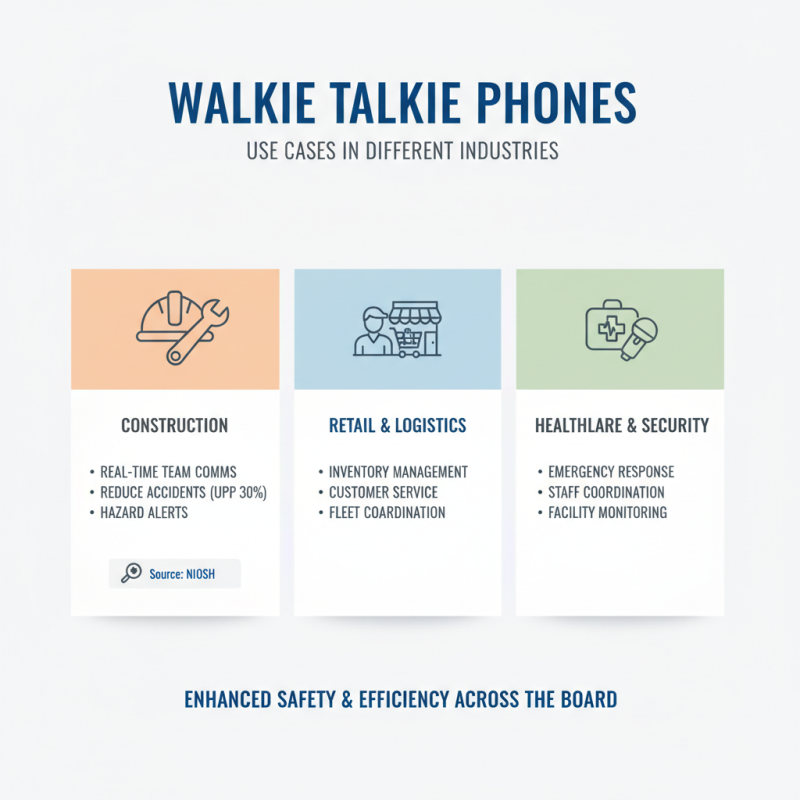
Walkie talkie phones are gaining traction across various industries. In construction, they enhance real-time communication among teams. According to the National Institute for Occupational Safety and Health, effective communication can reduce workplace accidents by up to 30%. This is crucial on busy job sites where safety is paramount. Workers can quickly alert each other about hazards, ensuring a safer environment.
In hospitality, staff members use these devices for seamless coordination. A survey by the American Hotel and Lodging Educational Institute found that 75% of hotel managers reported improved guest satisfaction with efficient communication tools. Housekeeping can immediately notify the front desk of any issues, allowing for prompt resolution. The result? Happier guests and better reviews.
**Tip:** Regularly train your team on communication protocols. Skillful use of walkie talkie phones can transform your operations.
In retail, walkie talkie phones streamline inventory management. A study by the Retail Industry Leaders Association revealed that better communication increased sales by 15% in some stores. Employees can swiftly contact managers about stock levels or customer requests. This can lead to improved customer service and higher sales.
**Tip:** Encourage feedback on the use of devices. Reflection on communication methods can reveal areas for improvement.