How to Choose the Best Taxi Radios for Your Business?
In the demanding world of transportation, effective communication is vital. Taxi radios serve as the backbone of this communication. A recent report from the International Association of Transportation Regulators indicated that efficient radio communication can improve response times by up to 30%. Choosing the right taxi radios can significantly impact your business performance.
Many businesses overlook the various features that taxi radios offer. It's not just about having a device to communicate. Factors like range, durability, and ease of use are crucial. The market has evolved, with advanced models integrating GPS and software compatibility. However, some companies still stick with outdated models. They miss out on crucial benefits provided by modern technology.
Investing in quality taxi radios can lead to improved driver safety and customer satisfaction. According to a study by the National Taxi Association, 75% of drivers reported feeling safer with reliable communication tools. However, choosing the best option can be daunting, given the myriad of choices available. Thoughtful consideration and awareness of your business needs are essential in making a sound investment in taxi radios.

Understanding the Importance of Taxi Radios for Business Operations
Effective communication plays a crucial role in taxi business operations. Taxi radios facilitate real-time dialogue between drivers and dispatchers. This immediacy enhances response times, ensuring swift service for passengers. A reliable radio system dramatically improves coordination during peak hours. It helps drivers stay informed about traffic updates and passenger requests. Such communication fosters a more organized and efficient operation within the taxi industry.
Choosing the right taxi radio can significantly affect safety and reliability. A system that is easy to use promotes better driver focus on the road. However, not all radios meet the specific needs of different operations. Some drivers may require advanced features, while others may prefer simplicity. Inadequate systems can lead to misunderstandings and delays, undermining customer expectations. Evaluating the specific requirements of your fleet is essential for optimal functionality.
Key Features to Consider When Selecting Taxi Radios
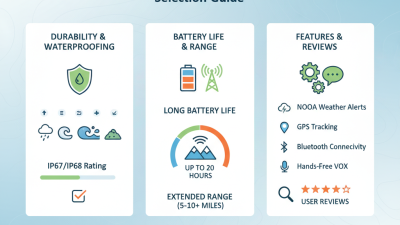
Choosing the right taxi radios is crucial for efficient operations. Many factors come into play when making your decision. One key feature is range. Radios must cover the area your taxis operate in. A lack of coverage can cause communication breakdowns. Consider testing the radio's range in real-world conditions.
Another important aspect is durability. Taxi radios face daily wear and tear. They should withstand harsh environments. Water resistance and shockproof designs are essential. Reliability is paramount; radios need to work under pressure without failure. Frequent replacements can lead to increased costs and disruptions.
Usability is also vital. Look for clear audio quality. Drivers need to hear dispatchers easily, even in noisy settings. Intuitive controls can make a significant difference in stressful situations. Training staff on communication protocols is equally important. This ensures everyone maximizes the potential of their radios, thereby improving overall service.
Comparing Different Types of Taxi Radios: Analog vs. Digital
When selecting taxi radios, understanding the difference between analog and digital systems is crucial.
Analog radios have been the traditional choice for taxi services for many years. They are generally simpler and more cost-effective. However, they come with limitations. Analog signals can be prone to interference and may offer lower sound quality.
On the other hand, digital radios provide significant benefits. They offer clearer audio, better signal quality, and improved privacy. Digital systems can handle more users on the same frequency without the risk of cross-talk. Yet, they may require a higher initial investment and more technical expertise for setup and maintenance.
Choosing between these two types requires careful consideration of your business's needs. Size, budget, and communication requirements are key factors. Consider the environment where the radios will be used. Are there many tall buildings that could obstruct signals?
How many drivers rely on the system? Such reflections will guide you toward the best choice.
Evaluating Brand Reputation and Customer Support for Taxi Radios
When selecting taxi radios for your business, evaluating brand reputation is crucial. According to a 2022 industry report, 78% of businesses consider brand reliability as a key factor. A brand’s history often reflects its product quality. Researching customer reviews can provide insights into how well a product performs in real-world situations. Positive testimonials can indicate reliable performance, while negative feedback may highlight potential issues.
Customer support is another vital aspect. A study by the Telecommunications Association revealed that 65% of users value responsive customer service. When problems arise, timely assistance is essential for uninterrupted service. Companies offering 24/7 support tend to score higher in user satisfaction surveys. Moreover, having readily available resources and documentation can ensure that customers can troubleshoot issues independently.
While many brands boast about reliability, discrepancies exist. Some products praised in reviews fail to meet expectations in practice. Business owners must ensure that they choose radios backed by solid customer support. The best product may not be ideal if assistance is lacking. Balancing reputation, quality, and support is vital in making an informed decision.
Taxi Radios: Brand Reputation and Customer Support Evaluation
Budgeting: Finding Affordable Yet Reliable Taxi Radio Options
When budgeting for taxi radios, finding reliable options that won’t break the bank is essential. Start by evaluating your specific needs. Consider the range, durability, and features that suit your business operations. Assessing these factors helps narrow down your choices. Affordable radios may have limited features or range, but that doesn’t always mean they lack reliability.
Research online reviews and testimonials to gauge performance. Seek out user feedback on factors like clarity, battery life, and ease of use. This can provide valuable insight. However, you might encounter mixed reviews, leading to uncertainty. It’s crucial to balance cost with quality. Sometimes, investing a bit more upfront pays off in the long run.
Think about the total cost of ownership as well. Factor in maintenance and potential upgrades over time. Cheaper models might seem appealing, yet they can lead to higher replacement costs due to lower durability. Prioritize options that offer a good warranty or customer support. This reflects reliability, allowing you to make an informed choice.