How to Choose the Best Radio Earpieces for Your Needs?
Selecting the right radio earpieces can transform communication in various settings. According to the latest industry report by Research and Markets, the global market for radio accessories, including earpieces, is projected to grow significantly over the next few years. This data reflects increasing demands among industries such as security, hospitality, and public safety.
When considering radio earpieces, it's essential to focus on personal needs. Not all earpieces are equipped for every environment. For instance, some are designed for intensive use, while others may be optimized for casual communication. This distinction can greatly impact performance and user satisfaction.
A poor choice can lead to discomfort or even communication breakdowns. Reports indicate that up to 30% of users face issues due to mismatched earpiece specifications. Understanding factors like audio clarity, durability, and comfort is crucial. Making an informed decision ensures that radio earpieces serve their purpose effectively in demanding situations.
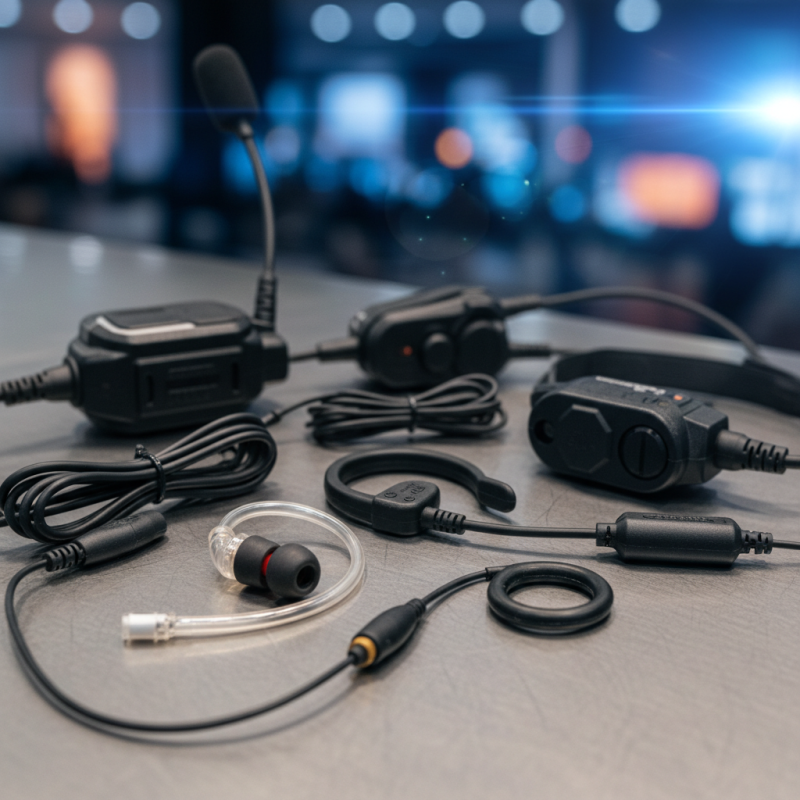
Understanding Different Types of Radio Earpieces: An Overview
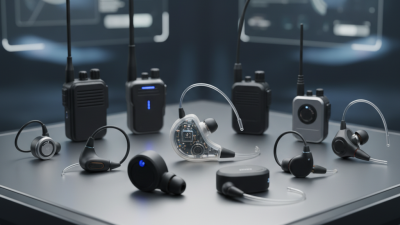
When selecting radio earpieces, it’s essential to understand the different types available. There are several common options. Each offers unique features and benefits that suit various environments and needs. For instance, some earpieces come with a simple design for basic communication. Others have more advanced features, like noise cancellation.
Consider comfort and fit. It matters, especially during long hours of use. Some earpieces feature adjustable components, while others have a universal fit. A snug fit can make a significant difference in performance. Remember, an ill-fitting earpiece can lead to discomfort and distraction.
Durability is another crucial aspect. Look for earpieces made with high-quality materials. This ensures they can withstand wear and tear. Waterproof and sweat-resistant models are ideal for outdoor or high-energy activities. However, durability can sometimes lead to bulkiness. This could limit mobility, so find a balance between sturdiness and lightweight design. Testing various types might reveal unexpected preferences.
Evaluating Comfort and Fit: Key Considerations for Long-Term Wear
When it comes to choosing radio earpieces, comfort and fit are crucial. If they aren’t comfortable, even the best earpieces won’t work for you. Consider the shape of your ears. Some people have different ear sizes. A snug fit is important for long periods of wear. Loose earpieces might fall out. Achieving a secure fit helps with sound quality too.
Material matters. Many earpieces use foam, silicone, or rubber. Foam provides a soft touch. Silicone can feel firmer but is often more durable. Think about how each material feels against your skin during extended use. You might want to test them out. Smooth surfaces may reduce irritation but not always. Remember, choosing a pair should not just be about looks.
Also, reflect on your environment. Do you work in a busy place? Noise isolation might be key. But opting for noise-cancelling earpieces can feel odd at first. It’s worth adjusting to the new sensation. Try wearing them for long hours. Your ears may need time to adapt. Take breaks to prevent discomfort. Testing a variety of styles may lead to unexpected favorites.
Comfort and Fit Evaluation of Radio Earpieces
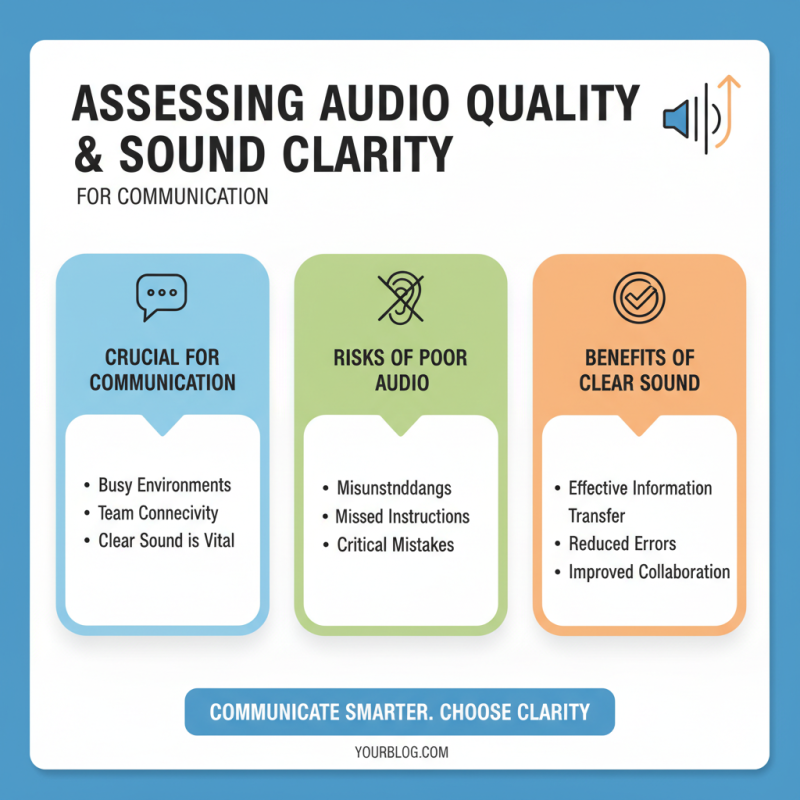
Assessing Audio Quality and Sound Clarity for Communication
When it comes to communication, audio quality and sound clarity are crucial. Whether you are in a busy environment or need to connect with a team, clear sound is vital. Poor audio can lead to misunderstandings. You might miss essential instructions or information, which can lead to critical mistakes.
Tips: Consider the environment you’ll use the earpieces in. For noisy settings, look for models that offer noise isolation. This feature will help block out background sounds. Test the earpieces in real-life situations; this can help you decide if they meet your requirements.
Another important aspect is comfort. If you wear earpieces for extended periods, ensure they fit well. Uncomfortable earpieces can distract you. Check for different styles and sizes. Sometimes, personal preferences can affect sound quality too. An earpiece that feels right is key to maintaining focus during communications.
Analyzing Durability and Weather Resistance in Earpiece Selection
When selecting radio earpieces, durability and weather resistance are crucial. Many users overlook how environmental factors affect performance. Earpieces exposed to harsh conditions may fail quickly. According to industry reports, 30% of equipment malfunctions stem from weather-related issues. Understanding weather resistance is essential for reliable communication.
Consider materials used in earpiece construction. High-grade plastics and reinforced cables can enhance durability. Look for IP ratings indicating water and dust resistance. For instance, IP67-rated devices can withstand immersion in water for a duration. This is critical for outdoor workers. Yet, some may pay less attention to these features and later face issues.
Tips: Always test earpieces in varied conditions before relying on them for critical tasks. Choose designs that allow for easy replacement of parts. This helps maintain functionality without buying a new unit. Note that not every durable earpiece is comfortable for long use. Sometimes, the perfect balance can be hard to find.
Comparing Wireless vs. Wired Earpieces: Pros and Cons for Users
When choosing between wireless and wired earpieces, various factors come into play. Wireless earpieces offer convenience and mobility. You can move freely without worrying about tangled wires. They often use Bluetooth technology, allowing connections to multiple devices. However, battery life is a concern. A dead battery can leave you without communication when you need it most.
On the other hand, wired earpieces provide a reliable connection. There’s no need for charging, and audio quality is usually superior. They are often more cost-effective. Yet, the wires can restrict movement, and they might get tangled easily. Users might find them less comfortable too, especially during extended use.
Ultimately, both options have their pros and cons. The best choice depends on individual preferences and specific needs. Consider factors like usage scenarios, comfort, and audio quality. It’s also essential to reflect on the environments where you'll be using these earpieces. Will your activities require robust mobility or a consistent connection? Make sure to weigh these details carefully.
How to Choose the Best Radio Earpieces for Your Needs? - Comparing Wireless vs. Wired Earpieces: Pros and Cons for Users
| Feature |
Wired Earpieces |
Wireless Earpieces |
| Sound Quality |
Generally superior with direct connection |
May experience latency and compression |
| Mobility |
Limited by cable length |
Greater freedom of movement |
| Battery Life |
N/A |
Limited by battery capacity |
| Durability |
More durable in terms of wear and tear |
Potential for connectivity issues with wear |
| Setup Complexity |
Simple plug-and-play |
Can require pairing and syncing |
| Cost |
Generally lower cost |
Can be higher due to technology |