Top Tips for Choosing the Best Rechargeable Radio for Your Needs
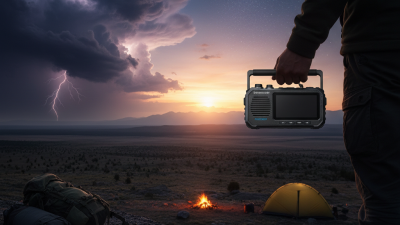
Choosing the right rechargeable radio can greatly enhance your outdoor experience or emergency preparedness. With so many options available, making an informed decision is crucial. A high-quality rechargeable radio should balance functionality, durability, and ease of use. Imagine camping in the wilderness or facing a storm, where a dependable radio becomes your lifeline.
Understanding the features that matter most is key. Look for radios with long battery life, good reception, and weather alerts. A compact and lightweight design is also beneficial, especially for outdoor adventures. Every detail counts when it comes to choosing the best option for your needs.
While various brands and models exist, not all are created equal. Some may fail to perform under pressure, leaving you frustrated. Research customer reviews and expert opinions to avoid poor choices. Finding a reliable rechargeable radio means considering both performance and your specific requirements. The right radio should not only be functional but also supportive of peace of mind during uncertain situations.
Factors to Consider When Choosing a Rechargeable Radio
When choosing a rechargeable radio, there are key factors to consider. Battery life is crucial; look for models with at least 20 hours of playtime. For example, data from recent industry reports indicate that radios with lithium-ion batteries tend to last longer than traditional ones. This can be vital during emergencies or outdoor activities when access to power is limited.
Audio quality should not be overlooked. Opt for radios with high-definition sound to ensure clarity. Many reviews highlight that frequency response and speaker size affect overall performance. Users often report dissatisfaction with radios that have muffled sound. Additionally, consider the radio's durability. A robust design can withstand outdoor conditions, ensuring longevity.
Monitor additional features as well. Some radios come with built-in LED lights or emergency alert systems. These extras enhance functionality but may impact battery life. Always weigh the pros and cons of features like digital tuning versus analog.
Tip: Test the radio's reception before making a decision. Signal strength varies depending on location. Finding a model that performs well in your area is essential. Avoiding brands with poor reviews can save time and frustration on your journey to finding the right radio.
Types of Rechargeable Radios Available on the Market
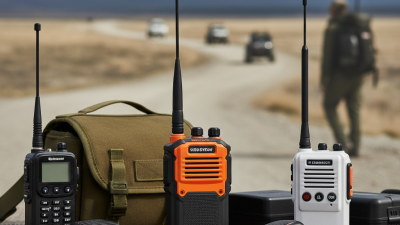
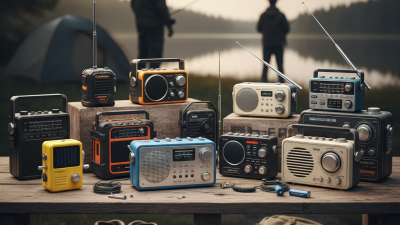
When selecting a rechargeable radio, understanding the types available is crucial. There are various models on the market, each catering to specific needs. Portable models are perfect for outdoor adventures. These radios are lightweight and often offer battery longevity. They can easily fit in a backpack, making them an essential companion for hiking or camping trips.
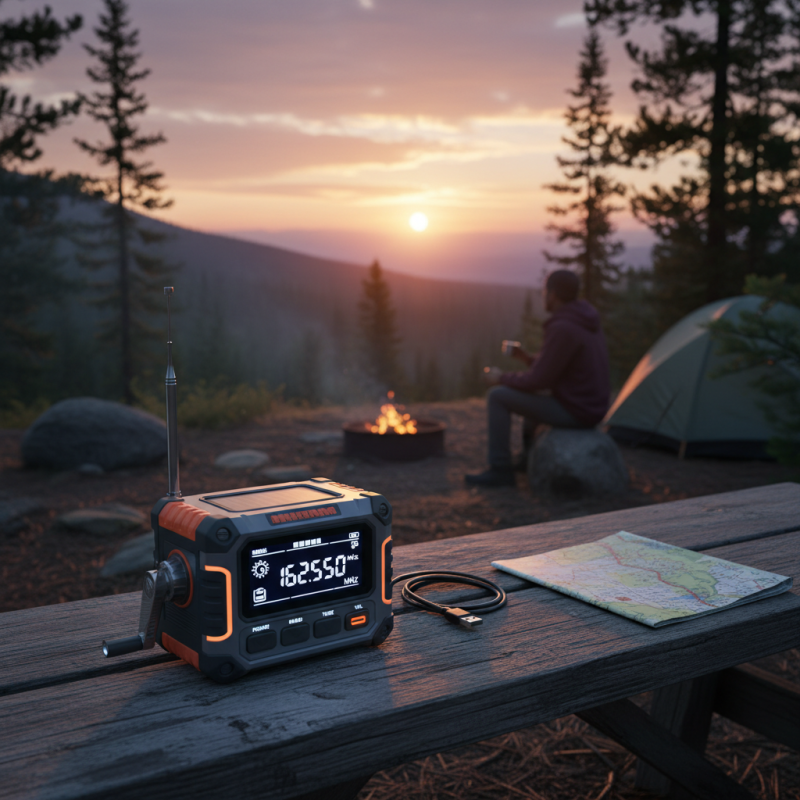
Another popular type is the emergency radio. These devices often include features like solar panels and hand-crank chargers. They serve as lifelines during power outages or severe weather events. Some models even have built-in flashlights and phone chargers. It’s vital to evaluate how you intend to use the radio. You may find that the added features can make a significant difference in urgent situations.
Lastly, there are tabletop radios. These are perfect for home use. They usually have larger speakers and better sound quality. However, they tend to be bulkier and less portable. It’s worth contemplating whether you prefer mobility or sound performance. Each type has its pros and cons. Your choice should align with how you envision using the radio. Remember, selecting the right model can enhance your listening experience significantly.
Evaluating Sound Quality and Reception Performance
When selecting a rechargeable radio, sound quality and reception performance are paramount. A study by the Consumer Electronics Association shows that 70% of users prioritize clear audio. Poor sound can diminish the listening experience, especially in areas with weak signals. High-quality speakers and a robust tuning system can significantly impact audio clarity.
Additionally, the range and sensitivity of the radio matter. Research by the Federal Communications Commission indicates that radios with advanced reception technologies perform better in urban environments. Features such as digital signal processing can enhance sound quality. Some users may find that even a moderate upgrade in their radio’s reception capability greatly improves their enjoyment.
Many radios come with adjustable equalizers. These allow users to personalize sound output based on preference. However, not all models offer this feature. Users sometimes overlook this aspect while shopping. Finding balance between sound enhancement options and the radio's portability can be challenging. It's essential to assess personal needs and consider how often you’ll use the device outdoors versus indoors.
Top Tips for Choosing the Best Rechargeable Radio for Your Needs - Evaluating Sound Quality and Reception Performance
| Model |
Sound Quality Rating (1-10) |
Reception Performance Rating (1-10) |
Battery Life (hours) |
Weight (lbs) |
| Model A |
9 |
8 |
12 |
1.5 |
| Model B |
8 |
9 |
10 |
2.0 |
| Model C |
7 |
7 |
15 |
1.0 |
| Model D |
6 |
8 |
8 |
1.8 |
Battery Life and Charging Options for Rechargeable Radios
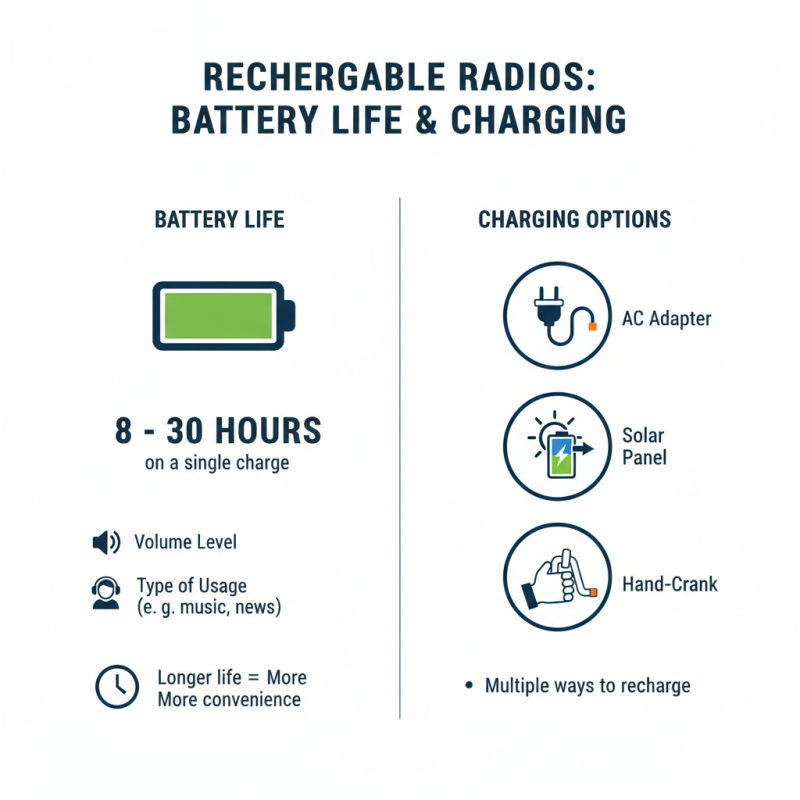
When choosing a rechargeable radio, battery life and charging options play a critical role. According to industry reports, most rechargeable radios have a battery life ranging from 8 to 30 hours on a single charge. This variance is influenced by factors like volume levels and types of usage. A radio that lasts longer on a single charge can be more convenient, especially in situations like camping or emergencies.
Charging options also significantly vary among models. Many rechargeable radios feature USB ports, allowing for quick connections to power banks or solar chargers. Approximately 60% of users prefer models that can charge via solar energy, reflecting the growing need for sustainability. However, some radios still rely on traditional wall chargers. Reliability can be a concern here, as power outages may not allow for traditional charging methods, leading to potential inconveniences.
Another factor to consider is the battery type. Lithium-ion batteries have become popular as they charge faster and last longer. Yet, they’re not bulletproof. They can degrade over time, losing capacity and efficiency. Choosing a rechargeable radio requires careful consideration of both battery life and charging options to ensure it meets your specific needs in various scenarios.
Portability and Additional Features to Enhance Use
When selecting a rechargeable radio, portability is crucial. A lightweight design ensures easy transport, whether you’re hiking, camping, or enjoying a day at the beach. Look for models with a compact size. They should easily fit in your backpack or even your pocket. Consider the weight. A heavy radio can become cumbersome over long distances.
Additional features can enhance your listening experience. A built-in flashlight adds practicality, especially during power outages or outdoor adventures. Some models offer Bluetooth connectivity, allowing you to stream music wirelessly. Waterproof capabilities are also worth considering if you plan to use the radio in unpredictable weather.
For users who enjoy versatility, check for multiple power options. Batteries should be easy to replace or recharge. A solar panel feature could be useful for extended trips. These elements may seem minor but have a significant impact on usability. Reflect on what matters most to you. Evaluate how often you’ll use certain features; not every gadget is necessary for everyone. Prioritize what truly fits your lifestyle.
Top Tips for Choosing the Best Rechargeable Radio for Your Needs