How to Choose the Best Waterproof Walkie Talkies?
Choosing the best Waterproof Walkie Talkies requires more than checking a product label. Water resistance, communication range, battery life, and audio quality must match your real environment. A radio for rainy construction sites faces different demands than one used on a kayak or family camping trip.
Start with the protection rating. An IPX7 model can usually handle temporary water immersion, while IP67 also includes dust protection. However, these ratings come from controlled testing. They do not guarantee performance after drops, saltwater exposure, or damaged seals. That distinction matters. A cracked battery cover can turn a reliable radio into a costly disappointment.
Practical testing reveals details that specifications often hide. Hold the radio with wet hands. Check whether the buttons remain easy to press. Listen for clear voices beside running water or strong wind. Test the charging port cover, belt clip, flashlight, and emergency features before depending on them outdoors. Range claims also need caution, because hills, trees, buildings, and weather can reduce real-world distance.
Battery capacity deserves equal attention. Rechargeable models are convenient, but replaceable batteries may be valuable during long trips without power. Confirm charging time and carry a backup plan. The best choice is not always the most expensive radio. It is the model that remains understandable, comfortable, and dependable when conditions become inconvenient.
Small details matter.
A little skepticism helps. Always read the manufacturer’s instructions, review independent testing, and inspect the radio after every demanding use. This guide will compare the features that genuinely improve reliability, helping you choose Waterproof Walkie Talkies with greater confidence.
Define Your Waterproof Walkie Talkie Communication Needs
How to Choose the Best Waterproof Walkie Talkies?
Define Your Waterproof Walkie Talkie Communication Needs
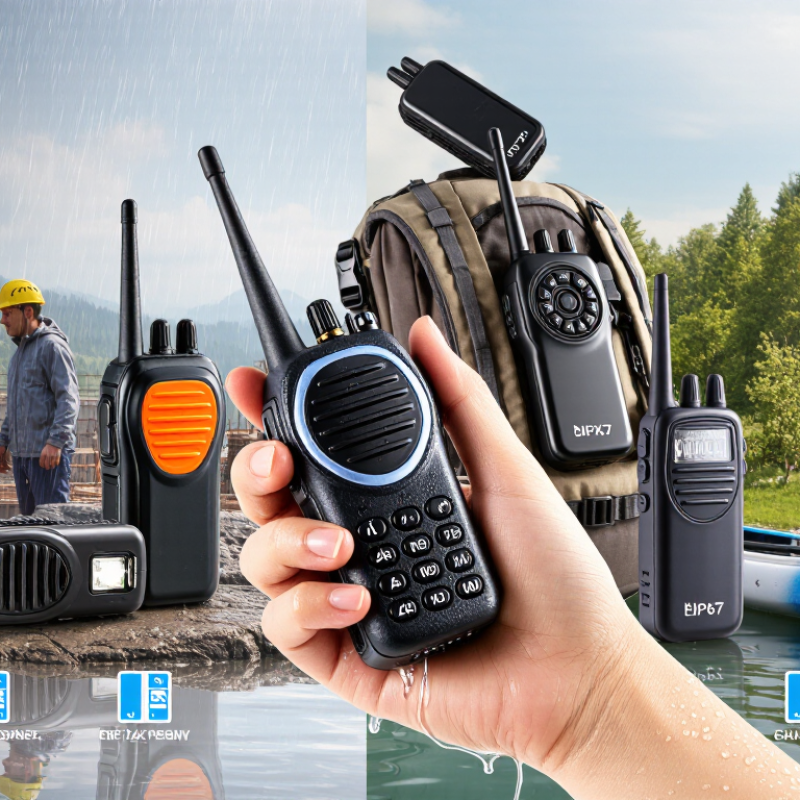
Start by studying your real communication environment. A beach patrol, hiking group, and construction crew face different problems. Think about distance, terrain, weather, and daily user numbers. Two people near a campsite need less range than teams separated by hills. Buildings, trees, and heavy rain can weaken signals. Advertised range often reflects open, ideal conditions.
Check the waterproof rating carefully. A device rated for splashes may fail after falling into a river. Look for equipment designed for temporary submersion if water exposure is likely. Also consider glove-friendly controls, screen visibility, battery life, and charging access. In my experience, complicated menus slow communication during sudden weather changes. I once focused too much on range and overlooked speaker clarity. That was a practical mistake.
Tips: Write down your communication tasks before shopping. Test voice clarity outdoors, indoors, and near moving water. Choose simple controls. Carry a spare battery or approved power solution for long trips. Confirm whether the unit supports your required channels and local operating rules. Do not assume “waterproof” means indestructible. Seals can wear, ports can loosen, and drops may reduce protection. Keep maintenance records, even if they seem unnecessary. Reliable communication depends on habits, not only specifications.
How to Choose the Best Waterproof Walkie Talkies?
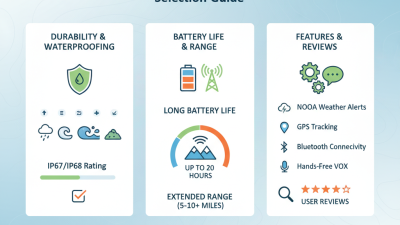
Define your communication needs by matching the radio’s water-ingress protection to your environment.
The chart compares standardized IPX water-protection levels under IEC 60529. IPX4 protects against splashing water, IPX5 against water jets, IPX6 against powerful water jets, IPX7 against temporary immersion up to 1 meter for 30 minutes, and IPX8 against continuous immersion under conditions specified by the manufacturer. Choose a rating based on whether your communication needs involve rain, heavy spray, or accidental submersion.
Understand Waterproof Ratings and Environmental Protection
How to Choose the Best Waterproof Walkie Talkies?
“Waterproof” is not a complete technical description. Check the IP code, defined by IEC 60529:2013. The first digit measures dust protection, while the second measures water resistance. IP67 means total dust protection and temporary immersion up to one meter for 30 minutes in laboratory conditions. IPX6 protects against powerful water jets, but it does not guarantee safe immersion. That difference matters beside a wet trail or a rescue boat.
IP68 sounds stronger, yet its test depth and duration are manufacturer-defined. Compare the actual test conditions, not only the number. NEMA 250-2020 also classifies enclosure protection, but its ratings should not be treated as direct equivalents to IP codes. A dependable radio should protect its charging port, speaker grille, battery seal, and controls. Tiny gaps often fail before the main casing.
Environmental protection involves more than water. Look for stated operating temperatures, drop testing, dust exposure, and corrosion resistance. IEC 60529 does not measure radio range, battery endurance, or voice clarity after immersion. In practical checks, inspect the seal after repeated charging and cleaning. I once assumed a high rating solved every problem; it did not. Salt, grit, and careless port covers still create weaknesses. Test reports are useful, but real conditions remain less predictable.
Evaluate Battery Life, Charging Methods, and Durability
How to Choose the Best Waterproof Walkie Talkies?
Battery performance matters more than a large capacity number. Radio makers often measure runtime using a 5-5-90 duty cycle: five percent transmit, five percent receive, and ninety percent standby. This method appears in professional two-way radio testing under TIA-603. Ask whether the advertised runtime follows this pattern. Real use is messier. Long transmissions, weak signals, cold weather, and loud audio can reduce operating time sharply. A practical choice should last through a full work shift, with a visible low-battery warning.
Charging design also affects reliability. USB-C charging is convenient in vehicles and field offices, while a dedicated dock offers better alignment and faster routine charging. Removable battery packs are useful during extended outdoor work. Check whether spare batteries can be charged independently. Also inspect the connector cover. A loose seal can defeat an otherwise water-resistant device. A short test helps.
Durability needs measurable evidence. IEC 60529 defines IP67 as protection against temporary immersion up to one meter for thirty minutes; IP68 depends on stated test conditions. Therefore, “waterproof” alone is weak evidence. Look for test details, gasket quality, drop testing, and corrosion resistance. MIL-STD-810H describes environmental test methods, but it is not a guarantee of everyday toughness. The Global E-waste Monitor 2024 reported 62 million tonnes of electronic waste in 2022, with only 22.3 percent formally recycled. Longer battery life and replaceable parts can reduce waste, although replacement batteries may eventually become difficult to source. That limitation deserves honest consideration.
Check Usability, Safety Features, and Legal Requirements
Choosing the best waterproof walkie talkie starts with practical usability, not impressive packaging.
Test the controls with wet hands or gloves. Large buttons matter during rain, boating, or trail work. The display should remain readable in weak light. Clear audio is essential. A claimed long range may shrink behind hills, trees, or concrete walls.
Look for a verified water-resistance rating, such as IP67, and read what that rating actually covers. Water resistance is not unlimited protection. Check the battery cover, charging port, and belt clip for secure seals. Useful safety features include a keypad lock, low-battery warning, hands-free operation, weather alerts, and an emergency tone. A built-in flashlight can help at dusk, although it may drain the battery faster. Carry a spare power source.
Legal requirements deserve careful attention.
Radio frequencies, transmission power, channel access, and licensing rules differ by country and region. Use only channels approved for your location. Do not assume that a device sold online is automatically legal everywhere. Check guidance from your national communications regulator before purchase and use. In some areas, certain channels require authorization or have strict power limits. Keep records of the permitted settings. I once focused too much on waterproofing and overlooked charging compatibility, which was inconvenient. A second review would have caught it. Reliability often comes from small checks.