Effective Communication Radios Tips for Better Connections?
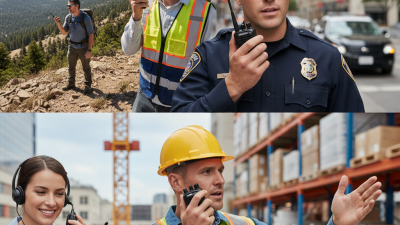
Effective communication is essential in various fields, and Communication Radios play a pivotal role in achieving this. These devices facilitate seamless interactions among teams, especially in dynamic environments like construction sites or emergency services. In these high-pressure settings, clear and concise communication can save time and potentially lives.
However, many users struggle with effective use of Communication Radios. They might not understand the proper protocols, leading to confusion or miscommunication. For instance, not knowing how to use the push-to-talk feature efficiently can hinder the flow of information. It's vital for users to practice and refine their skills regularly.
Moreover, distractions can easily diminish radio effectiveness. Background noise can drown out voices. Users may also forget to identify themselves before speaking. To optimize performance, teams must not only learn the technical aspects but also the etiquette of using Communication Radios. Reflecting on these challenges can lead to better strategies and stronger connections within teams.
Understanding the Importance of Effective Communication in Radio Use
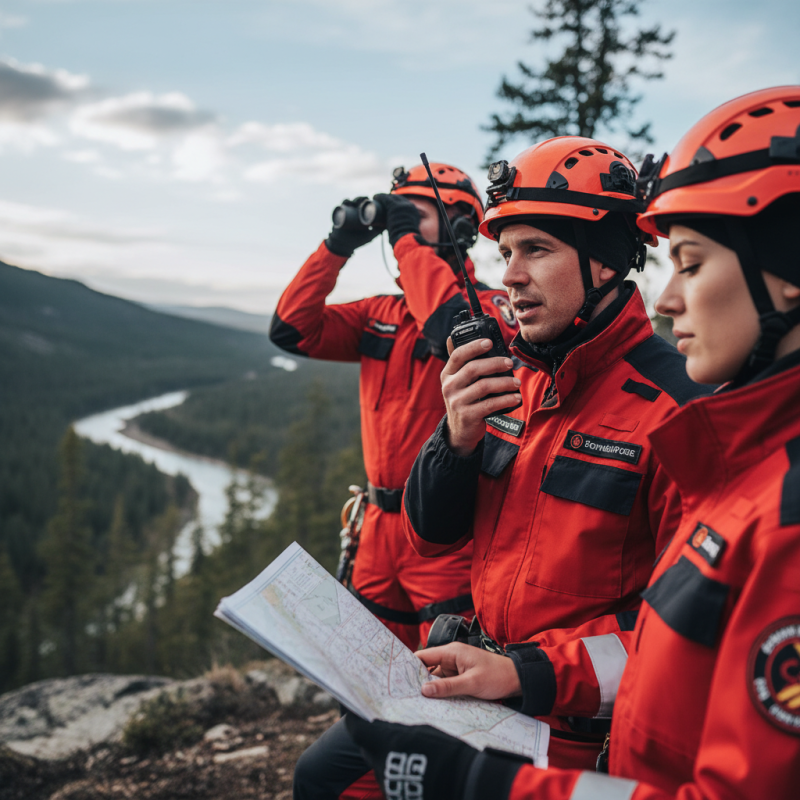
Effective communication is vital in radio operations. Studies reveal that 70% of radio miscommunications stem from unclear messages. Simple misunderstandings can lead to serious safety risks, especially in emergency situations. Clear and concise language is essential.
Using jargon or technical terms can cause confusion. In a study, 55% of respondents preferred straightforward language over complex terminology. It's crucial to know your audience. Engaging in active listening is equally important. Misinterpretations often arise when operators fail to fully absorb the transmitted message.
Additionally, body language and tone matter, even over the radio. A recent report indicated that 38% of communication effectiveness comes from vocal elements. Radio users should practice articulating their messages clearly. Regular training sessions can help refine these skills. It allows for continuous improvement. Remember, effective communication requires constant reflection and adjustments.
Effective Communication Radios Tips for Better Connections
| Tip |
Description |
Importance |
Best Practices |
| Clarity |
Use clear and concise language to avoid misunderstandings. |
Enhances understanding among team members. |
Avoid jargon; speak slowly and loudly enough. |
| Active Listening |
Pay attention to what others are saying without interrupting. |
Builds trust and rapport within the team. |
Nod and provide verbal cues to show you are engaged. |
| Feedback |
Provide constructive feedback regularly to improve communication. |
Encourages continuous improvement and adaptation. |
Use "I" statements and focus on specific behaviors. |
| Non-Verbal Cues |
Be aware of body language and facial expressions. |
Enhances or contradicts verbal messages. |
Maintain eye contact and open posture. |
| Use of Technology |
Utilize communication tools effectively for efficiency. |
Facilitates quick and clear exchanges of information. |
Familiarize yourself with tools; ensure reliable connectivity. |
Key Principles of Clear and Concise Radio Communication
Clear and concise radio communication is essential for effective connections. It helps avoid misunderstandings and ensures everyone is on the same page. A few principles can enhance your radio communication skills significantly.
One crucial tip is to speak slowly and clearly. When you rush, it often leads to confusion. Use simple words that everyone understands. Avoid jargon unless necessary. For example, instead of saying "ETA," say "expected arrival time." This reduces ambiguity.
Another key point is to listen actively. Don't just wait for your turn to talk. Pay attention to the message. Repeat back important information for confirmation. It shows you are engaged and helps catch errors early. Being concise is vital. Long-winded messages can lose the listener's focus. Stick to the main ideas even if they seem obvious. Show appreciation for the other person’s input, especially in a tense discussion. Everyone wants to feel heard and understood.
Technical Aspects: Choosing the Right Radio Frequencies and Equipment
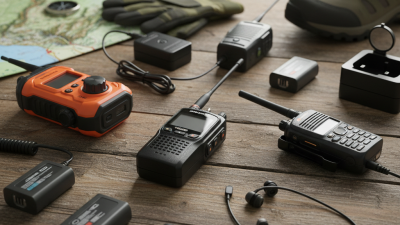
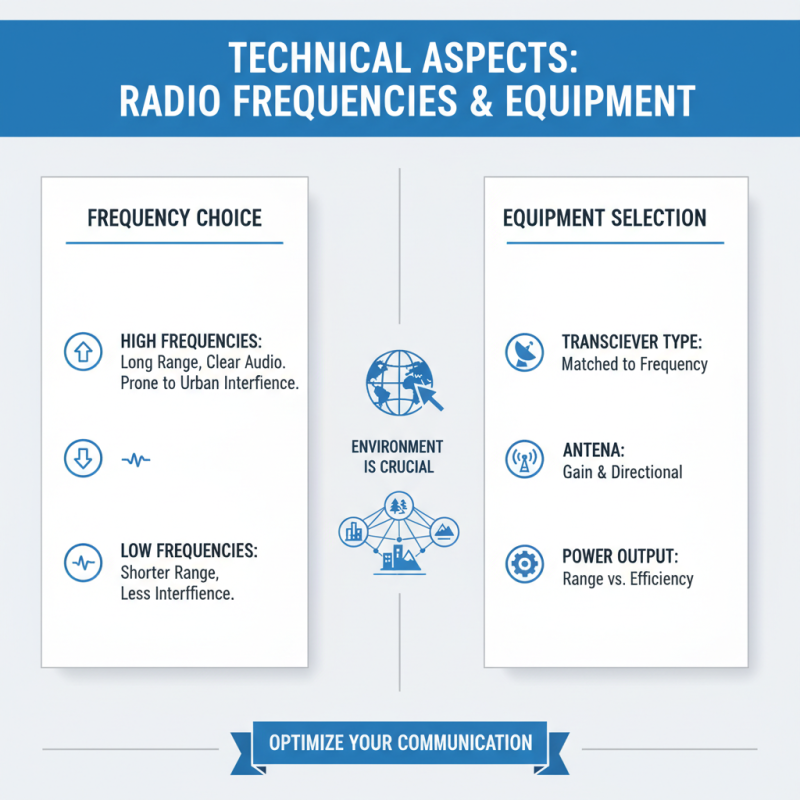
Choosing the right radio frequencies and equipment is essential for effective communication. The frequency determines your range and clarity. High frequencies provide better sound quality over long distances. However, they may face interference in urban areas. Considering your environment is crucial.
When selecting equipment, think about durability and battery life. Some radios may look sleek but can underperform in harsh conditions. Water and dust resistance are vital if you’re in challenging terrains. Also, user-friendliness matters. Complex devices can lead to confusion in urgent situations.
Testing your setup is necessary. Imagine being in a crucial moment, and your radio fails. That’s a learning point. Regularly check batteries, practice using controls, and test signal strength. Just because equipment looks good doesn’t mean it works well. Reflect on your experiences to improve your communication efficiency.
Strategies for Overcoming Common Communication Barriers in Radio Use
Effective communication over radios can be challenging. Many factors can hinder clarity, such as background noise and signal interference. Addressing these barriers is crucial for effective dialogue.
One tip is to choose a quiet environment for communication. Background noise can easily disrupt messages. Encourage users to find an area with minimal distractions. This simple step can improve listening and response times significantly.
Another strategy is to speak clearly and at a moderate pace. Rushed speech can lead to misunderstandings. Practicing enunciation can help enhance clarity. Users often underestimate this aspect. Taking a moment to pause between thoughts can also give time for processing.
Lastly, consider using common terminology. Jargon can confuse listeners. Sticking to familiar words ensures everyone understands. Repeating important points can reinforce messages too. Small adjustments can lead to profound improvements in how messages are shared.
Evaluating Communication Effectiveness: Metrics and Feedback Mechanisms
Effective communication is often measured by its clarity and impact. To evaluate communication effectiveness, metrics play a crucial role. According to a study by the International Association of Business Communicators, nearly 70% of employees say clear communication improves their job satisfaction. This indicates that effective messaging fosters better workplace morale.
Another critical metric is feedback mechanisms. Companies utilizing employee feedback tools report a 25% increase in communication effectiveness. Regular feedback loops encourage dialogue and ensure messages resonate. However, not implementing these tools can lead to gaps and misunderstandings. A 2022 survey revealed that only 38% of organizations actively seek feedback on their communication efforts.
Moreover, evaluating communication requires ongoing adjustments. It's easy to overlook the impact of poor clarity. Regular assessments can uncover hidden issues. For instance, many teams struggle with distributing information evenly. This often leads to frustration. Communication should not only be about information transfer but also about understanding. Adapting approaches based on feedback makes communication more meaningful.