10 Essential Tips for Choosing the Best Portable Radios for Every Adventure
When it comes to enjoying the great outdoors or embarking on a new adventure, having the right equipment can significantly enhance your experience. One of the essential devices to consider is a portable radio. These compact and convenient gadgets not only provide entertainment but can also keep you informed and connected, whether you're hiking in the mountains, relaxing at the beach, or camping in remote areas. However, with so many options available, choosing the best portable radios for your specific needs can be a daunting task.
In this guide, we will explore ten essential tips to help you select the perfect portable radio for every adventure. From understanding different features like battery life and sound quality to considering durability and connectivity options, these tips will ensure you make an informed decision. Whether you seek a stylish device for casual use or a rugged radio built to withstand the elements, our advice will help you navigate the various choices available in the market, ensuring you stay entertained and informed no matter where your adventures take you.
Understanding the Different Types of Portable Radios Available
When selecting a portable radio, understanding the various types available is crucial.
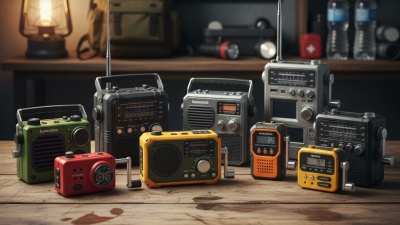
Portable radios generally fall into several categories, including analog, digital, and weather radios.
Analog radios, while often less expensive, operate using traditional tuning methods and may offer limited sound quality. Conversely, digital radios provide clearer sound and more reliable reception, especially in urban areas.
According to a report by the Consumer Technology Association, digital radios have seen a steady rise in popularity, accounting for approximately 40% of all portable radio sales in the last year, as users increasingly appreciate their enhanced features and performance.
Weather radios, another essential category, are particularly beneficial for outdoor adventures.
These devices not only provide regular AM/FM broadcasts but also tune into NOAA weather channels, offering vital information during emergencies.
Research from the National Oceanic and Atmospheric Administration (NOAA) indicates that having a reliable weather radio can significantly improve safety during severe weather conditions, as it provides timely updates that can be the difference between staying safe and being caught unprepared.
Increasingly, consumers are recognizing the importance of having a weather radio, making this category a vital consideration when choosing the best portable radio for varied adventures.
Ultimately, the choice of portable radio should align with its intended use, whether for music enjoyment, news updates, or emergency preparedness.
Each type brings unique benefits, influencing not only personal preference but also safety and convenience during outdoor activities.
Key Features to Look for When Choosing a Portable Radio
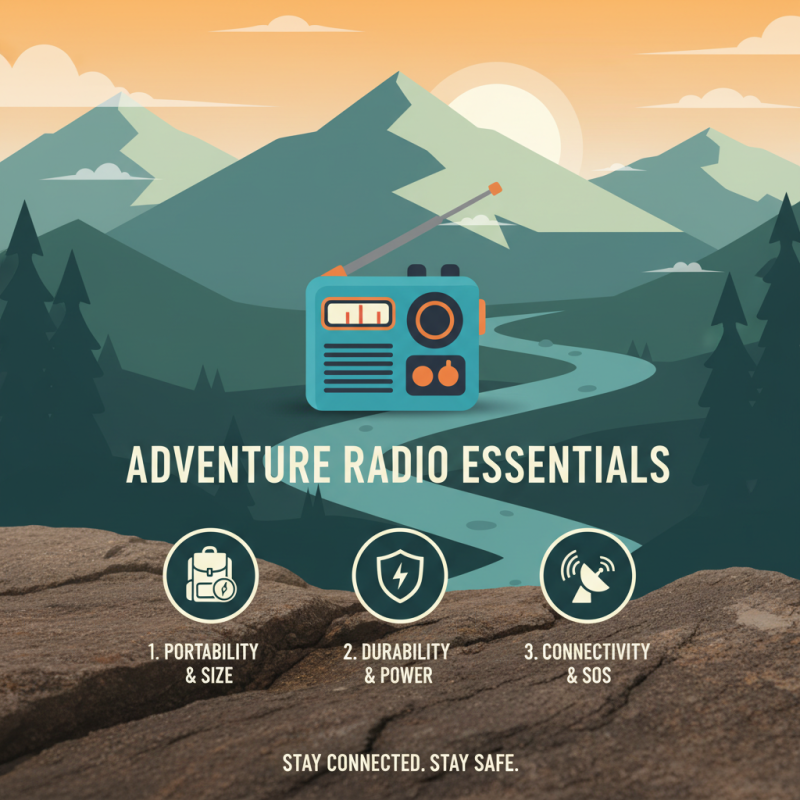
When choosing a portable radio, several key features can significantly enhance your listening experience on every adventure. First, consider the radio's size and weight, as portability is crucial for hiking, camping, or backpacking. A compact and lightweight design ensures that the radio won't become a burden on your journeys. Additionally, look for models with durable materials and water resistance, which are essential for outdoor use, protecting your device from the elements and physical wear.
Another critical feature is battery life. Opt for portable radios that offer extended battery usage or multiple power options, such as rechargeable batteries or solar power, to ensure you stay connected during longer trips. Also, check for multiple tuning options, including AM, FM, and even weather bands, to keep you informed and entertained no matter where you are. Finally, consider the sound quality, volume capacity, and any additional features such as Bluetooth connectivity or built-in speakers, which can all enhance your listening experience while on the move.
Portable Radios - Key Features Comparison
Assessing Battery Life and Power Options for Extended Use
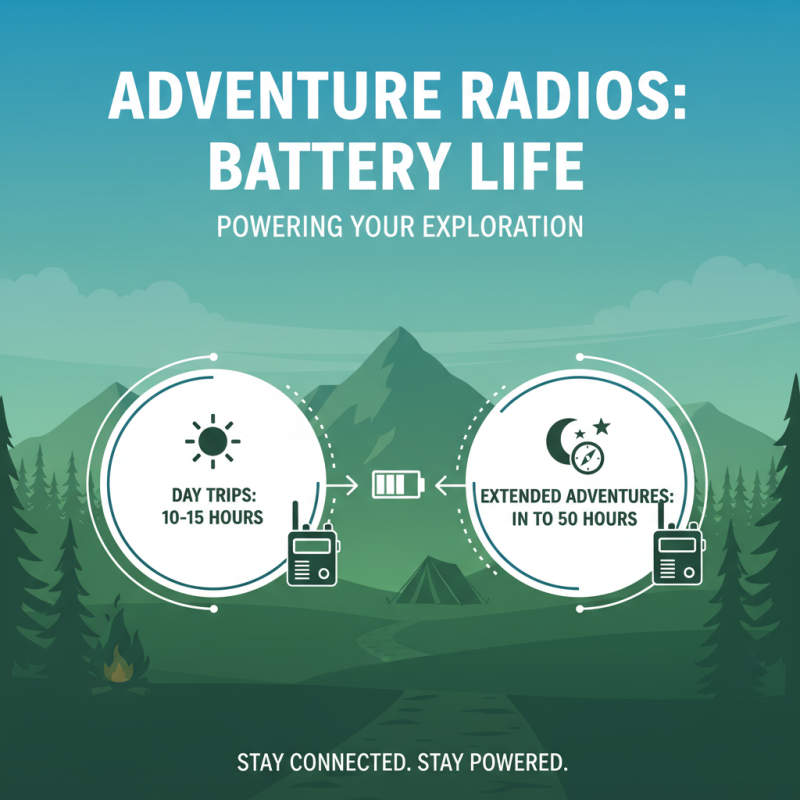
When selecting a portable radio for your adventures, one of the most critical factors to consider is its battery life. Batteries are essential for prolonged use, especially in remote locations where power sources may not be available. According to a report by the Consumer Electronics Association, consumers often underestimate how important battery longevity is when inquiring about portable gadgets. A radio that can last at least 10-15 hours on a single charge is generally recommended for day trips, while models with up to 50 hours are ideal for extended camping adventures.
Another aspect to evaluate is the variety of power options available. Many portable radios now offer multiple ways to keep the music playing, including rechargeable batteries, standard AA/AAA batteries, and even solar charging capabilities. A study from the National Association of Broadcasters indicates that radios with diverse power options can significantly enhance user satisfaction, especially in outdoor settings. This flexibility allows you to carry less weight in batteries and ensures continuous operation even in prolonged excursions away from the grid.
Tip: Always check for built-in battery level indicators, which can help you manage power efficiently during your outings. Additionally, consider packing a compact solar panel if you anticipate being off-grid for an extended period; it can provide a reliable recharge source without adding much weight to your gear. Remember, having a robust power strategy enhances not only your listening experience but also keeps you connected to emergency broadcasts when needed.
Portability and Durability: Factors for Outdoor Adventures
When embarking on outdoor adventures, selecting a portable radio that balances portability and durability is crucial. A reliable portable radio not only keeps you entertained but also ensures you stay connected with news updates and emergency broadcasts. When considering your options, focus on a few essential tips that can make your adventure much more enjoyable.
First, always prioritize weight and size. A compact radio that can easily fit in your backpack or pocket will lighten your load and minimize bulk. Furthermore, durability is paramount. Look for radios with rugged construction that can withstand the elements, particularly if you're venturing into harsh weather conditions. Waterproof or weather-resistant features will help ensure your device remains functional and intact, regardless of rain or humidity.
Lastly, consider battery life and charging options. An ideal portable radio should offer long-lasting power or the capability to recharge via solar power or USB connections. This ensures your device won’t shut down in the middle of your adventure. Understanding these factors will help you choose the right portable radio, setting the stage for a successful outdoor experience filled with entertainment and vital information.
Budget Considerations: Finding the Best Value for Your Needs
When choosing a portable radio, budget considerations play a crucial role in ensuring that you find the best value for your needs. According to a report by the Consumer Electronics Association, the average consumer spends around $50 to $100 on portable radios. However, spending less doesn't always mean sacrificing quality; many affordable models offer robust features such as long battery life, digital tuning, and weather alerts, which can be essential for outdoor adventures.
To effectively allocate your budget, consider the primary use for your portable radio. If you plan on using it mainly for casual outdoor activities, a lower-end model capable of playing AM/FM stations may suffice. In contrast, if you're heading to remote areas where signals can be weak, investing in a mid-range radio equipped with better reception, such as shortwave or digital capabilities, may provide greater satisfaction. Industry insights reveal that nearly 60% of users value battery life as their top feature, indicating that prioritizing this aspect in your budget can enhance your overall experience in various environments.