How to Choose the Best Small Portable Radio?
Choosing the best Small Portable Radio is less about flashy features and more about dependable performance in real situations. A radio may look impressive online, yet disappoint beside a noisy kitchen window or during a long power outage. Practical testing matters. Check how clearly it receives local stations, how smoothly the tuning dial moves, and whether the speaker remains understandable at low volume.
Radio reviewer Alan Wolke offers a useful perspective: “A good portable receiver should make weak signals easier to hear, not merely louder.” That principle separates genuine quality from marketing language. Look for stable AM and FM reception, a readable display, simple controls, and battery options that suit your routine. Some models also include weather alerts, Bluetooth, or shortwave bands. These features can be valuable, but only when they work reliably.
Consider the places where the radio will live. A pocket model should survive movement, while a bedside radio may benefit from a larger speaker and gentle backlighting. Test the handle, antenna, buttons, and battery door. Small details matter. Manufacturer specifications help, but they cannot reveal every weakness. User reviews may expose poor durability or confusing controls, although personal expectations differ. No single model wins everywhere. A compact radio with excellent sensitivity may have weaker audio, while a louder model may consume batteries quickly. The right choice balances reception, portability, power life, and ease of use. Some compromises are unavoidable. That is worth remembering before purchase.
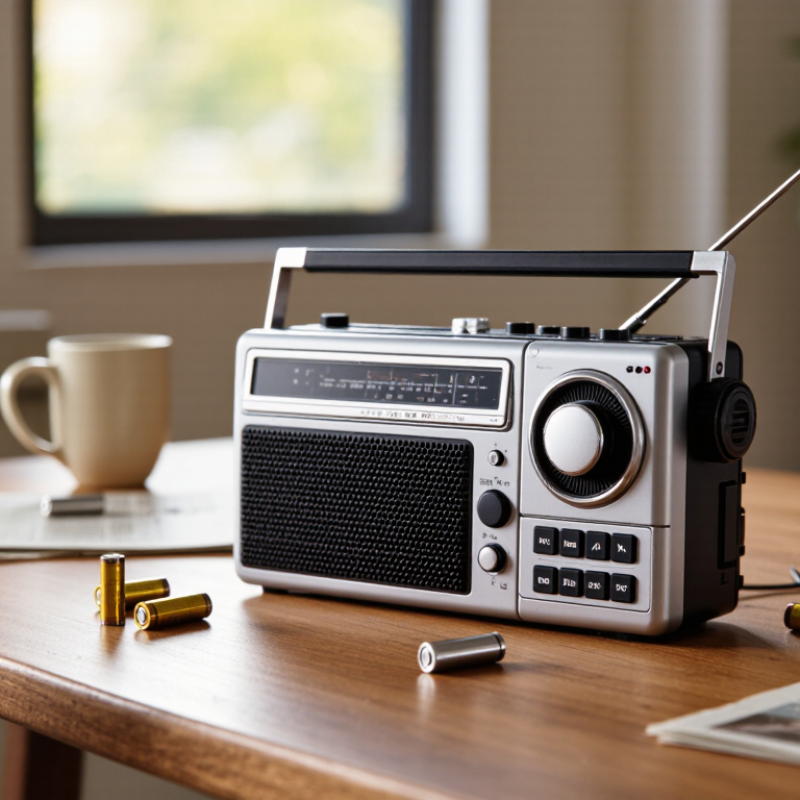
Understanding the Main Types of Small Portable Radios
How to Choose the Best Small Portable Radio?
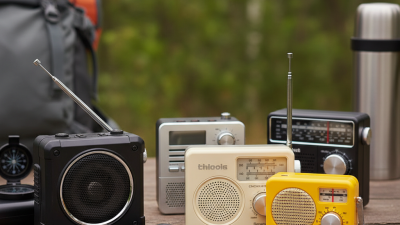
Small portable radios usually fall into four practical types: AM/FM, digital broadcasting, shortwave, and internet radio. AM/FM models remain the simplest choice for local news, music, and emergency updates. Nielsen’s Audio Today 2024 report found that AM/FM radio reaches 82% of American adults weekly. That figure supports its everyday value, especially where mobile data is weak.
Digital radios can offer clearer sound, station names, and extra programme information. However, coverage depends on local broadcasting infrastructure. Shortwave radios receive distant international and specialist broadcasts, but tuning requires patience. Internet radios provide wider programme access. Edison Research’s Infinite Dial 2024 reported that 75% of Americans aged 12 and older listened to online audio monthly. Still, internet models need Wi-Fi or mobile connectivity, and batteries may drain faster. No type wins every trip.
Tips: Match the radio to your location first. Check AM/FM sensitivity, speaker clarity, battery type, and headphone output. For camping, choose a model with replaceable batteries and a strong telescopic antenna. For indoor listening, digital or internet reception may sound cleaner. Do not trust impressive specifications alone. Test controls with cold fingers if possible. I once underestimated knob size, and tiny controls became frustrating after dark. That detail seems minor, but it can decide whether the radio is genuinely portable.
How to Choose the Best Small Portable Radio?
Understanding the Main Types of Small Portable Radios
The chart compares common small portable radio types by typical battery runtime and approximate carry weight. AM/FM pocket radios are usually the lightest, while emergency crank radios offer extra functions such as weather alerts, USB charging, and manual power generation. Weather radios are designed for receiving public alert broadcasts and may include additional emergency features.
Identifying the Features That Match Your Listening Needs
Choosing the best small portable radio starts with your listening habits, not its appearance.
If you follow morning news, clear AM reception matters. For music, check FM sensitivity and speaker balance. A telescopic antenna can improve reception indoors, especially near thick walls. I usually test tuning beside a window and then in a weaker-signal room. Small differences become obvious there. Digital tuning feels precise, but a simple analog dial may be faster for casual listening. Neither option is perfect.
Battery performance also deserves attention.
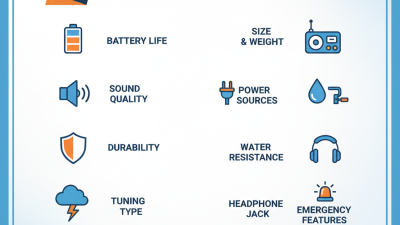
Choose a model with efficient power use and a clear battery indicator. If you listen outdoors, a secure handle and textured controls prevent drops. A headphone socket helps in shared spaces, while a loudness control protects clarity at low volume. Some radios include emergency information bands, but verify local broadcast coverage before relying on them. I once focused too much on compact size and ignored button spacing. It became frustrating with cold fingers. That mistake changed my priorities.
Look for controls you can operate without studying the radio.
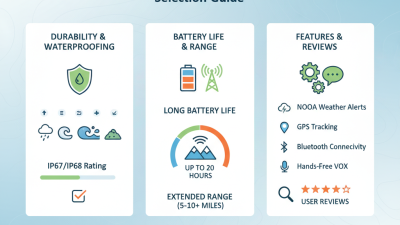
The display should remain readable in dim light, but excessive brightness can disturb nighttime listening. Water resistance may help near a campsite, though it does not replace careful storage. Compare actual weight, battery access, tuning stability, and sound quality rather than trusting technical claims alone. A short listening test often reveals more than a long specification sheet. Take your time.
Comparing Reception, Sound Quality, and Battery Performance
How to Choose the Best Small Portable Radio?
A small portable radio should perform well beyond a quiet kitchen table. Test reception near windows, outdoors, and inside rooms with thick walls. A clear signal should not crackle when you move the radio a few steps. Telescopic antennas often improve weak stations, but their position matters. I have found that extending the antenna fully is useful, though it feels awkward in crowded spaces. Digital tuning can locate stations quickly, while manual tuning offers finer control in remote areas.
Sound quality deserves careful listening. Choose a model with balanced speech and enough volume for outdoor use. A larger speaker usually produces warmer voices and less harsh music. Still, compact radios cannot create deep bass without distortion. Listen for buzzing at higher volume. I once preferred louder output, then noticed tiring treble after twenty minutes. That mistake changed how I judge sound: comfort matters more than maximum volume.
Tips: Test the radio with headphones, if supported. Compare reception at different times, since interference can change. Check battery performance using the same volume level each day. Rechargeable batteries reduce waste, but replaceable cells are easier during long trips. Look for a clear battery indicator. Some indicators are optimistic, and they may drop suddenly. A radio that lasts twelve hours in testing might deliver less in cold weather. Keep spare power available.
How to Choose the Best Small Portable Radio? - Comparing Reception, Sound Quality, and Battery Performance
| Radio Type |
Typical Size and Weight |
Reception Performance |
Supported Bands |
Speaker and Sound Quality |
Typical Battery Life |
Power Options |
Best Use Case |
| Basic Pocket Radio |
105–125 mm; 120–180 g |
★★★★☆
Good FM reception in urban areas; weaker indoors and in remote locations
|
FM and AM/MW |
0.5–1 W mono speaker; clear speech but limited bass and volume
|
35–60 hours with two AA batteries |
AA batteries; wired earphone output |
News, weather updates, commuting, and emergency backup |
| Compact Digital-Tuning Radio |
150–180 mm; 250–400 g |
★★★★☆
Stable station tuning with good selectivity between nearby FM stations
|
FM and AM/MW |
1–2 W mono speaker; balanced voice reproduction with moderate loudness
|
25–45 hours with four AA batteries |
AA batteries; AC adapter input; headphone output |
Home listening and reliable everyday use |
| Rechargeable Portable Radio |
170–220 mm; 350–600 g |
★★★★☆
Generally strong FM reception; performance depends on antenna placement
|
FM and AM/MW; some models include shortwave |
2–3 W mono speaker; fuller midrange and better volume than pocket models
|
12–30 hours per charge at moderate volume |
Built-in rechargeable battery; USB charging; some models accept AA batteries |
Travel, camping, power outages, and frequent daily listening |
| Emergency-Crank Radio |
150–210 mm; 300–550 g |
★★★☆☆
Adequate reception, although compact antennas may require careful positioning
|
FM and AM/MW; weather-band reception on some models |
1–2 W mono speaker; optimized for speech, alerts, and moderate outdoor volume
|
8–20 hours on battery; approximately 10–30 minutes of listening from one minute of hand cranking, depending on the design |
Rechargeable battery; hand crank; solar panel; USB charging |
Emergency preparedness and off-grid situations |
| Shortwave Portable Radio |
180–250 mm; 400–800 g |
★★★★★
Broadest tuning range; shortwave results vary with antenna, time, and location
|
FM, AM/MW, and shortwave |
1–3 W mono speaker; clear speech with limited stereo or low-frequency depth
|
20–50 hours with AA or rechargeable batteries |
AA batteries or built-in rechargeable battery; USB charging on many models |
International broadcasts, hobby listening, and remote travel |
| Portable Stereo Radio |
220–300 mm; 700–1,200 g |
★★★★☆
Strong FM performance with a larger antenna and more stable placement
|
FM and AM/MW; Bluetooth or auxiliary input may be included |
3–8 W stereo output; wider soundstage, stronger bass, and higher maximum volume
|
8–20 hours with rechargeable battery or six to eight hours on disposable batteries |
Rechargeable battery; AC power; USB charging on some models |
Indoor listening, picnics, and situations where sound quality matters most |
Battery figures are typical estimates at moderate volume. Actual performance varies with battery type, signal strength, tuning mode, speaker volume, temperature, and antenna position. For the best reception, fully extend the antenna and place the radio away from large metal objects and electronic interference.
Evaluating Price, Reliability, and Overall Value
When choosing a small portable radio, price should never stand alone.
Value means dependable reception, practical battery life, and useful controls. Edison Research’s The Infinite Dial 2024 found that 82% of Americans aged 12 and older listened to terrestrial radio weekly. That reach still supports buying a simple radio for news, weather, and local programs.
I once chose the cheapest model and regretted it. Its tuning wheel slipped, and the speaker distorted at medium volume. A slightly higher price might have prevented that mistake.
Check the radio’s warranty, battery type, antenna strength, and casing before paying. The Consumer Technology Association’s 2024 U.S. Consumer Technology Ownership & Market Potential Study also shows continued household interest in everyday consumer electronics, but ownership alone does not prove reliability.
Independent testing matters more than attractive packaging.
Tips:
Compare cost per year, not cost at checkout. A $30 radio lasting six years may offer better value than a $15 model replaced twice.
Test tuning near windows and inside a room. Listen for clear speech, not only loud sound. Confirm whether batteries are easy to replace.
Rechargeable power is convenient, but built-in batteries can become a weakness after years of use. Read repair and warranty details carefully.
Small radios are easy to underestimate. That is the risky part.