What is Long Range Walkie Talkies and How Do They Work?
Long Range Walkie Talkies are essential communication devices. They are designed to transmit messages over significant distances. In recent years, their popularity has surged across various sectors. According to a report by MarketsandMarkets, the global walkie talkie market is expected to grow from $2.89 billion in 2020 to $4.49 billion by 2025. This highlights a growing reliance on efficient communication tools.
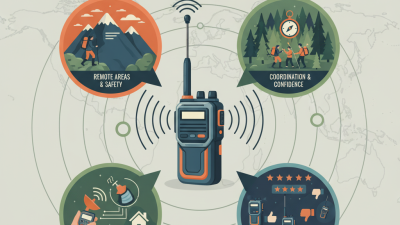
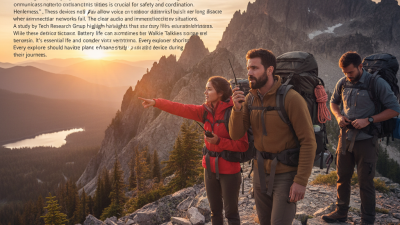
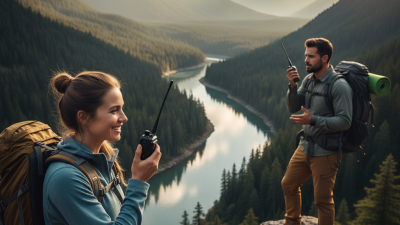
The flexibility and durability of Long Range Walkie Talkies make them invaluable for outdoor activities, especially in remote areas. For example, hikers often rely on these devices when exploring rugged terrains. The ability to maintain contact is crucial for safety. However, while these devices are reliable, they have limitations. Range can vary based on terrain and environmental factors.
Users often overlook battery life and channel capacity, assuming all models are uniformly effective. Industry experts have noted that issues like interference can impact performance. Despite these challenges, the demand for Long Range Walkie Talkies continues to rise, indicating their vital role in modern communication. Balancing the need for technology and its challenges is essential for optimal use.
Definition and Features of Long Range Walkie Talkies
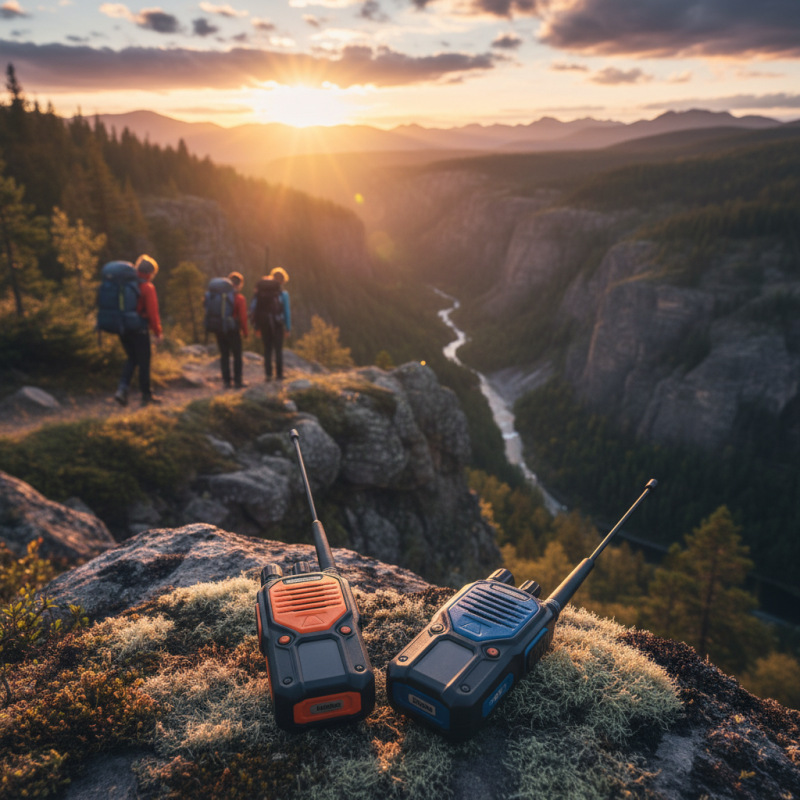
Long Range Walkie Talkies are communication devices designed for extended distances. These radios operate on specific frequency bands. They are commonly used for outdoor activities, security, and emergency responses.
One key feature is their range. Many can communicate over several miles. Factors like terrain and obstacles affect performance. Battery life is another critical aspect. Users often seek models that last long in the field. Some models require charging frequently, which can be a hassle.
These devices are known for simplicity. Users can quickly connect without complicated setups. Still, some models can be confusing for beginners. Their rugged design makes them durable. However, this might lead to weight issues. Not all users find them comfortable for all-day use. The sound clarity is generally decent, but interference can occur. Overall, choosing the right model depends on the specific needs and situations.
How Long Range Walkie Talkies Function and Transmit Signals
Long range walkie talkies have become essential for outdoor activities and emergency communication. These devices function by using radio waves to transmit signals over considerable distances. When you press the push-to-talk button, your voice travels through air as radio waves. These waves are then picked up by the receiver in another device. The frequency and output power significantly affect the range, often extending from a few miles to over 50 miles in optimal conditions.
The efficiency of long range walkie talkies is tied to their specifications. Data from industry reports indicate that models operating on UHF frequencies tend to penetrate obstacles better than those on VHF. For instance, UHF devices can reach 25-40% longer ranges in urban settings, thanks to better signal propagation through buildings. However, they may struggle in more open environments. Often, users report inconsistent ranges due to terrain and environmental interference, leading to frustration when reliability is crucial.
Environmental factors also play a key role. Trees, hills, and buildings can greatly diminish signal quality. Weather conditions, such as heavy rain or snow, may further impact the performance. Some users find this unpredictable nature bothersome, especially in critical situations. Developing better understanding of these variables is essential for maximizing the potential of long range walkie talkies.
Understanding Signal Strength of Long Range Walkie Talkies
This bar chart illustrates the relationship between range (in miles) and signal strength (in dB) for long-range walkie talkies. As the range increases, the signal strength typically decreases, affecting communication quality.
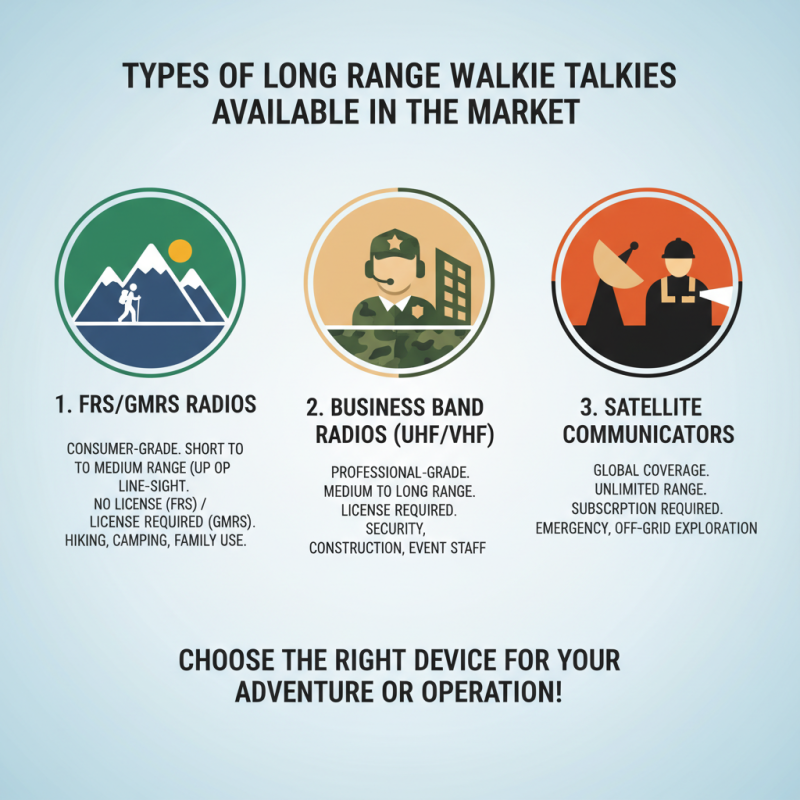
Types of Long Range Walkie Talkies Available in the Market
Long range walkie talkies are devices that allow communication over significant distances. They are ideal for outdoor activities, security operations, and emergency situations. The market offers various types of long range walkie talkies, each catering to different needs.
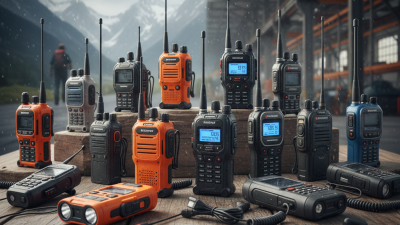
One common type is the analog walkie talkie. These are simple and easy to use, suitable for basic communication. They operate on specific frequencies and provide decent range. However, they lack some modern features. Digital walkie talkies offer clearer sound and better privacy. They come with advanced functions like privacy codes and weather alerts. These features make them more reliable in critical situations.
For those needing extended range, consider two-way radios. They use a more powerful signal and can cover larger areas. They are often used in remote locations. Keep in mind, however, that real-world conditions can affect range. Obstructions like mountains or buildings may reduce effectiveness.
Tips: Always check battery life before heading out. Carry spare batteries for emergencies. Test devices with friends or team members to ensure everyone understands the functions. This can help avoid confusion in urgent situations. Clear communication can save time and enhance safety in the field.
Advantages of Using Long Range Walkie Talkies for Communication
Long range walkie talkies provide a robust communication solution for various applications. They are especially useful in situations where cellular networks are unreliable or unavailable. According to a 2022 industry report by the Telecommunications Association, these devices can maintain communication over distances exceeding 25 miles in open terrain. This capability makes them ideal for outdoor activities and large events.
The reliance on radio frequencies rather than cellular signals offers unique advantages. Users benefit from instant communication without the need for mobile service subscriptions. Professionals in construction and security sectors report improved efficiency due to instant messaging. A survey revealed that 78% of participants found walkie talkies to be more reliable for real-time coordination compared to mobile phones.
However, there are some challenges. Terrain, weather, and obstacles can impact range and clarity. Clear line-of-sight is often necessary for optimal performance. Users sometimes encounter issues with battery life during extended use. These factors should be considered when integrating walkie talkies into communication strategies. The advantages are clear, but understanding limitations is equally vital.
What is Long Range Walkie Talkies and How Do They Work? - Advantages of Using Long Range Walkie Talkies for Communication
| Feature |
Description |
Advantages |
| Range |
Typically ranges from 1 to 50 miles depending on terrain and conditions. |
Effective for communication over long distances without cellular service. |
| Frequency |
Uses UHF or VHF frequencies for better penetration and longer reach. |
Less interference in remote areas; clear transmission quality. |
| Battery Life |
Can last from several hours to days depending on use. |
Reliable for extended outdoor use without frequent recharging. |
| Durability |
Often designed to withstand tough environments, water-resistant options available. |
Suitable for outdoor activities like hiking, camping, and security operations. |
| User Friendly |
Easy to operate with simple buttons and clear displays. |
Faster communication during emergencies without complex setup. |
| Cost-Effective |
Initial investment pays off as there are no ongoing fees for use. |
Ideal for businesses and groups needing reliable communication. |
Factors Affecting the Range and Performance of Walkie Talkies
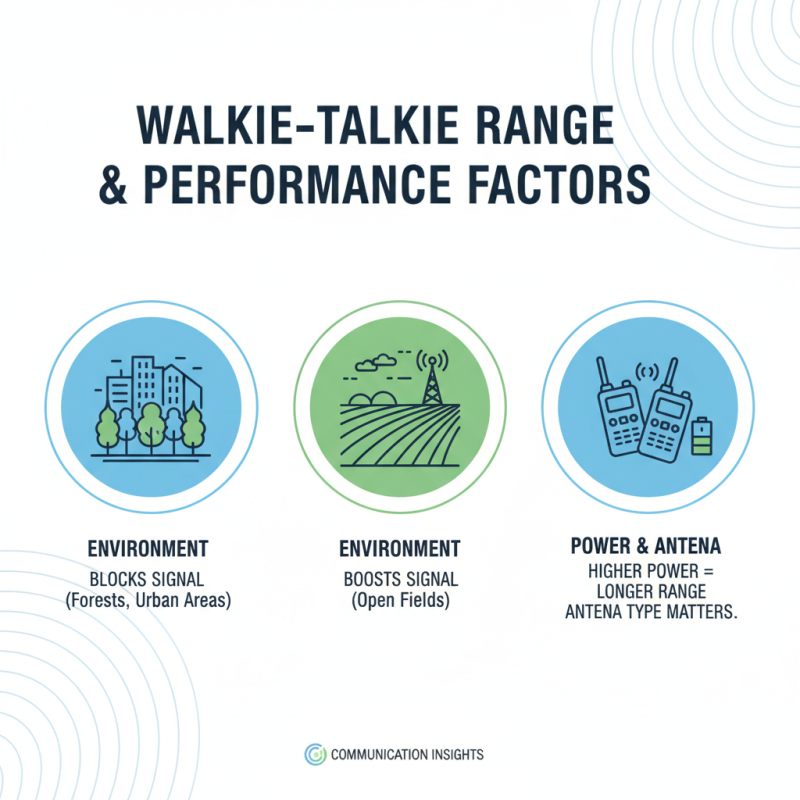
Walkie talkies are versatile communication devices. Their range can vary significantly based on several factors. One major factor is the environment. Dense forests or urban areas can block signals. Open fields typically allow for better transmission.
Another consideration is the frequency band used. Lower frequencies can travel further, but they may not provide as clear a sound. High frequencies yield better audio quality, yet they are more easily obstructed. Additionally, the power output of the device influences range. Higher power can improve reach, but it also drains the battery faster.
User habits also play a key role. For instance, holding the radio close to the body can cut the signal. Maintenance of the walkie talkies is often overlooked. Dirt or damage can interfere with performance. Users should remember that conditions can change rapidly, affecting connections. Each situation requires attentiveness to achieve optimal communication.