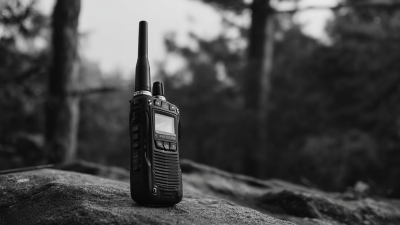
What is a Portable Radio and Why Do You Need One?
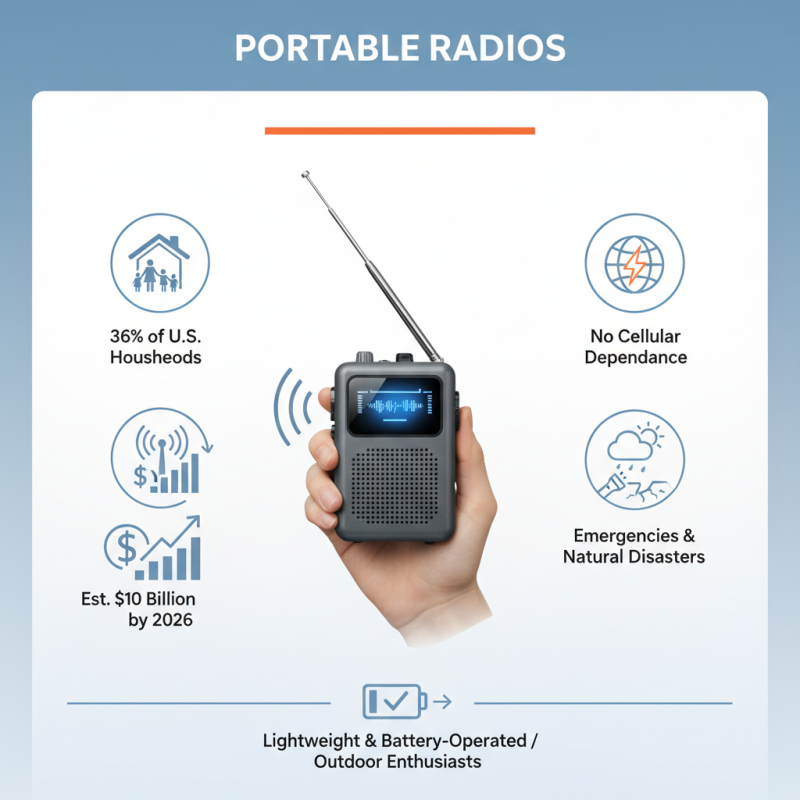
Portable radios have become essential tools in our daily lives. They offer convenience and reliability, especially in emergencies. According to a recent industry report by Statista, approximately 36% of households in the U.S. own at least one portable radio. This demand highlights their importance for communication and entertainment.
In an age dominated by smartphones, the simplicity of portable radios stands out. They function without reliance on cellular networks. For outdoor enthusiasts, these devices provide essential access to weather updates and news. A portable radio can be a lifeline during natural disasters when power may fail. Yet, many overlook their advantages. The market continues to grow, expected to reach a value of $10 billion by 2026.
Portable radios might seem outdated to some, but their reliability is unmatched. They are lightweight and often battery-operated, making them easy to carry. In times of uncertainty, these devices remind us of our need for dependable information. A portable radio is more than just a gadget; it is a connection to the world around us.
Definition and Features of Portable Radios
Portable radios are versatile devices designed for convenient listening. They provide access to AM, FM, and even shortwave frequencies. This versatility makes them great for various situations. You can use them outdoors, during emergencies, or while traveling.
One key feature of portable radios is their size. Most are lightweight and compact, fitting easily into a bag or pocket. Some radios operate on batteries, adding to their portability. Others may offer solar power options. These features ensure you can listen anytime and anywhere. However, the quality of sound can sometimes be compromised.
Tips: When buying a portable radio, consider battery life. A long-lasting battery can be invaluable. Also, check for weather-resistant features. If you plan to use it outdoors, this is essential.
Many models include a headphone jack and built-in speakers. It’s helpful for personal listening or sharing with friends. However, not all radios deliver the same audio quality. It’s worth trying a few before deciding. Portability is great, but sound matters too.
Types of Portable Radios Available in the Market
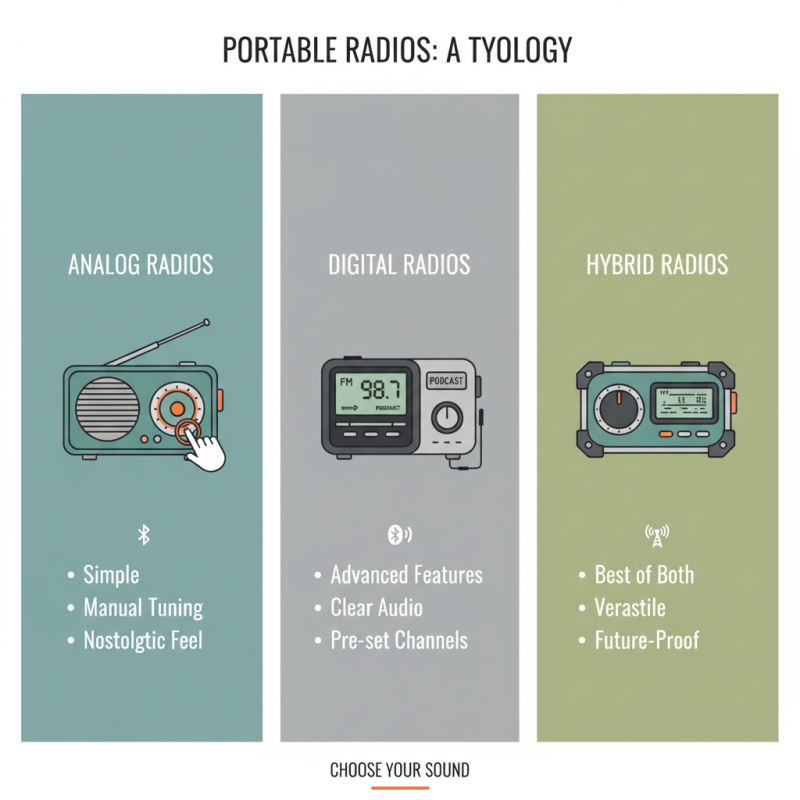
Portable radios come in various types, each serving different needs. First, we have analog radios. These are simple and easy to use. They rely on manual tuning and have a nostalgic feel. Many people appreciate their straightforward design. However, they may lack some features found in digital models.
Next, we have digital portable radios. These radios often include advanced functions like presets and digital display. They can scan for stations automatically. While they offer convenience, they may require batteries. This can lead to frustration during long outdoor use. Battery life varies widely among models, making it essential to check before buying.
Another popular type is the weather radio. Designed for outdoor activities, these radios provide vital weather updates. They often have alert features for severe weather conditions. Yet, some users find them bulky and hard to carry. Also, not all models have a good range, leading to potential information gaps. Each type of portable radio has strengths and weaknesses. Picking the right one depends on your specific needs and situations.
Advantages of Using a Portable Radio
A portable radio is a compact device designed for easy use on the go. It can connect to FM and AM frequencies, providing access to music, talk shows, and emergency broadcasts. Many people find great value in having such a device.
One key advantage of using a portable radio is its mobility. You can take it to the beach, park, or camping. This feature makes it perfect for outdoor activities. It can help create a lively atmosphere or keep you informed during severe weather.
Tip: Always bring extra batteries. You never know when you might need power, especially in emergencies.
Another perk is the simplicity of use. Many portable radios require no complicated setup. Just tune in to your desired station. However, not all devices have the best reception. This can be frustrating, especially in remote areas.
Tip: Test your device ahead of time. Find the best spots for reception. You might be surprised by how much it varies.
Portable radios also encourage you to unplug from digital distractions. They allow for a more immediate connection to the world around you. However, you might find it challenging to disconnect from your phone initially. Embrace this challenge for a refreshing break from screen time.
Advantages of Using a Portable Radio
This chart displays the advantages of using a portable radio, highlighting key features such as portability, battery life, emergency use, cost-effectiveness, and simplicity. Each advantage is represented in percentage form, showcasing their significance for potential users.
Common Uses and Scenarios for Portable Radios
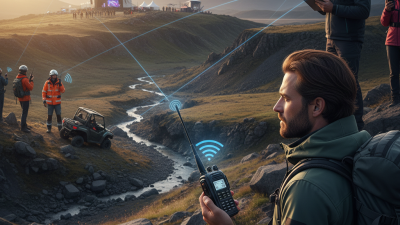
Portable radios are essential tools in various scenarios. They provide reliable communication when other devices fail. In remote areas, where cell signals are weak, portable radios excel. According to a recent industry report from ICCA, approximately 30% of outdoor event organizers rely on portable radios for effective communication.
When emergencies strike, such as natural disasters or power outages, portable radios become vital. They allow individuals to stay informed through weather alerts and news broadcasts. The FCC reported that during Hurricane Katrina, 40% of survivors used battery-operated radios for information. This highlights their importance in crisis situations.
Moreover, portable radios are popular at sporting events and festivals. They help coordinate security, and assist in crowd management seamlessly. However, the lack of a proper power source can be an oversight. Users must always ensure that devices are charged and functional. Regular checks are necessary to avoid last-minute failures.
What is a Portable Radio and Why Do You Need One? - Common Uses and Scenarios for Portable Radios
| Use Scenario |
Description |
Benefits |
| Camping |
Portable radios provide entertainment and news updates while in the wilderness. |
Stay connected and informed about weather updates. |
| Emergency Situations |
Crucial for receiving emergency broadcasts during power outages or natural disasters. |
Access to vital information when traditional communication fails. |
| Outdoor Activities |
Ideal for outdoor sports or picnics, allowing users to enjoy music or radio shows. |
Enhances enjoyment and provides a fun atmosphere. |
| Travel |
Useful for travelers to access local stations and stay entertained during journeys. |
Helps discover local news and culture during trips. |
| Work Sites |
Common in construction or outdoor job sites for communication and alerts. |
Improves safety and coordination among workers. |
Factors to Consider When Choosing a Portable Radio
When selecting a portable radio, several critical factors come into play. First, you need to consider the radio's frequency bands. Most portable models cover AM and FM. Some also include shortwave and NOAA weather bands, essential during emergencies. According to a recent report from the International Telecommunications Union, about 50% of households depend on portable radios for weather alerts and news.
Battery life is another key aspect. A portable radio should ideally last 8 to 10 hours on a single charge. Look for models with both rechargeable and non-rechargeable options. This flexibility can be vital during a power outage or outdoor activities. Additionally, check the sound quality and volume range. The ability to hear clearly in various environments is crucial for effective communication.
Durability and portability matter too. A good portable radio should withstand drops and rough handling. Waterproof features can provide extra safety during outdoor use. According to industry experts, around 30% of portable radio buyers cite durability as their primary concern. Also, consider weight and design; a comfortable grip can make a significant difference when carrying it for long periods.