What is a Portable Radio and How to Choose One?
Portable radios have been a staple for music lovers and emergency preparedness enthusiasts for decades. They provide a convenient way to access information and entertainment, especially in areas where internet connectivity is limited. According to industry expert Tom Burns, founder of RadioTech, “Portable radios bridge the gap between technology and simplicity.” This highlights the enduring appeal of these devices in our fast-paced world.
When choosing portable radios, there are numerous factors to consider. Battery life is critical for outdoor use, while sound quality is vital for a pleasurable listening experience. Furthermore, some users may prefer models with additional features like weather alerts or Bluetooth connectivity. Yet, not every portable radio offers the same level of reliability, and consumers must sift through varying quality levels in the market.
The process of selecting the perfect portable radio can be overwhelming. With many options available, it’s easy to feel lost. Some radios may not perform well under certain conditions or might lack essential functions. Being mindful of these potential pitfalls ensures a better purchasing experience. Choosing the right portable radio can greatly enhance your daily activities, whether at home, outdoors, or during emergencies.
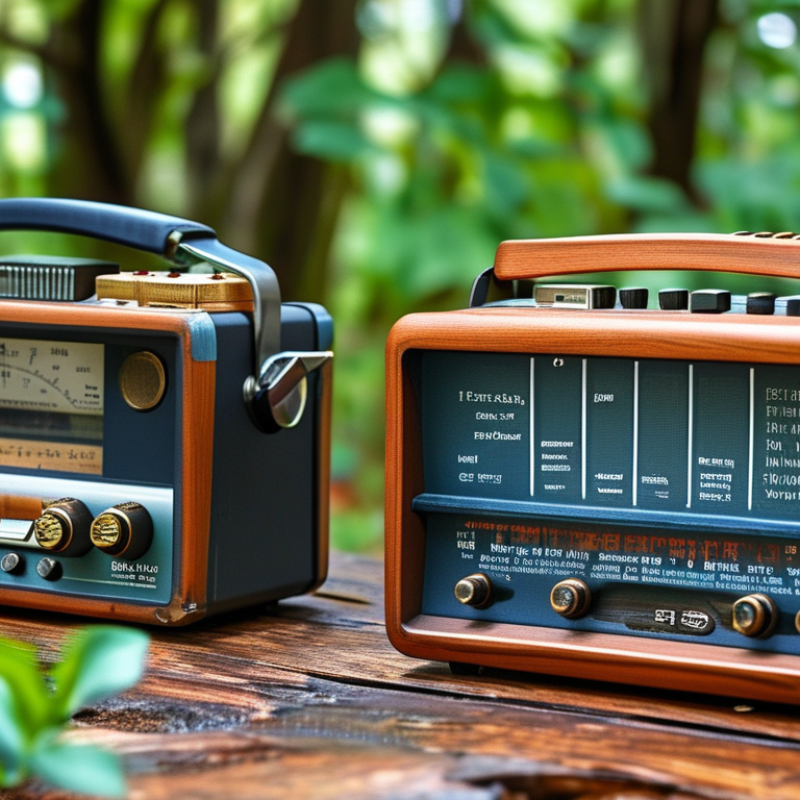
What is a Portable Radio?
Portable radios are essential gadgets for anyone who enjoys music or news on the go. They offer convenient access to FM, AM, and sometimes even weather channels. This type of radio is often battery-operated, making it perfect for outdoor activities like camping or beach outings. According to industry reports, about 70% of households in the U.S. own a portable radio, highlighting their popularity. These devices serve as reliable companions during power outages, allowing users to stay informed and entertained.
When considering a portable radio, think about its size and weight. A lightweight model is easy to carry, but may sacrifice sound quality. Look for features like Bluetooth connectivity, which enhances versatility, particularly for music lovers. Battery life is another crucial factor; radios with longer run times can be more dependable in emergencies. Research indicates that consumers prioritize durability and water resistance, especially for outdoor use.
Tips for choosing a portable radio: aim for a balance between size and functionality. A radio that is too small might lack volume and clarity. Don't overlook the importance of good reception; a radio with a strong antenna can significantly improve listening experience. Finally, consider user reviews to gauge reliability. Real-world feedback often reveals insights that spec sheets do not cover. Be open to exploring multiple options before making a decision.
Key Features to Look for in Portable Radios
Portable radios are essential for outdoor enthusiasts and emergency preparedness. When choosing a portable radio, certain key features can greatly influence your experience. Consider the sound quality, as a radio with clear audio makes it easier to listen to your favorite stations. Research shows that 75% of users prioritize sound clarity in their selection process.
Battery life is another crucial factor. Some portable radios operate on batteries, while others have rechargeable options. A unit with long battery life ensures you remain informed during emergencies or camping trips. Reports indicate that average battery life varies between 10 to 30 hours, depending on usage. These figures are important to note when making a choice.
Tips: Look for additional features like weather alerts. This can be lifesaving when outdoor conditions change suddenly. Also, consider portability; a lightweight design enhances convenience.
When weighing options, prioritize durability. Radios designed for rugged use tend to withstand challenging conditions. However, finding a balance between features and cost is also necessary. Users often overspend on features they never utilize. Taking the time to analyze your specific needs can lead to a more satisfying purchase.
Types of Portable Radios and Their Uses
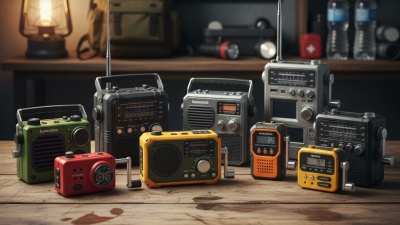
Portable radios come in various types, each designed for specific uses. One common type is the analog radio, which relies on traditional AM/FM signals. These radios are simple and often more affordable. They serve well for casual listeners. According to a report by the Consumer Technology Association, about 37% of adults still prefer analog radios for their straightforward functionality.
Digital portable radios, on the other hand, provide a clearer sound and often include features like weather alerts or digital tuning. They can receive DAB (Digital Audio Broadcasting) and internet radio. A study by Market Research Future indicates that the digital radio market has grown significantly, with a projected increase of over 8% annually. This highlights a growing preference for advanced audio technology.
Outdoor enthusiasts often favor weather-resistant models. These radios usually feature solar panels or battery backup. They are essential during camping trips or emergencies. However, some users note that finding stations can be tedious with certain models. It's important to balance features with ease of use. As the market diversifies, potential buyers must reflect on their specific needs and preferences before making a purchase decision.
Types of Portable Radios and Their Uses
How to Choose the Right Portable Radio for Your Needs
Choosing the right portable radio can feel overwhelming given the many options available. Start by assessing your needs. Will you be using it for outdoor adventures, emergencies, or simply for music at home? Your primary use will guide your choice significantly. If portability is essential, opt for lightweight models that are easy to carry.
Consider the features you value most. Some radios offer digital displays, while others might focus on battery life. If you plan on using the radio for emergencies, features like weather bands and a long-lasting battery can be lifesavers. Always check if the radio is durable enough for your environment. A rugged, weather-resistant model may be ideal for outdoor use.
**Tips:** Think about battery options. Rechargeable batteries save money and reduce waste. However, traditional batteries offer convenience during power outages. Also, tune in to online reviews. They can provide insights that specs alone won’t reveal. Remember, a balanced approach to features and cost will lead to a radio that fits your lifestyle perfectly.
What is a Portable Radio and How to Choose One?
| Feature |
Description |
Importance |
| Portability |
Lightweight and easy to carry around, ideal for outdoor activities. |
High |
| Power Source |
Options include batteries, solar power, or AC adapters. |
Medium |
| Reception Quality |
Ability to receive AM/FM signals clearly in various environments. |
High |
| Durability |
Resistant to water, dust, and shock; important for outdoor use. |
High |
| Sound Quality |
Clarity and volume of audio output. |
Medium |
| Additional Features |
Bluetooth connectivity, USB ports, or built-in lights. |
Low |
Tips for Maintaining and Enhancing Your Portable Radio Experience
Maintaining your portable radio extends beyond simple usage. Regular upkeep ensures optimal performance and longevity. According to industry experts, about 30% of users experience issues due to neglecting maintenance protocols. This can lead to decreased sound quality and even battery malfunctions. Just a little care can significantly improve functionality.
Keep the device clean. Dust and debris can degrade sound output. A microfiber cloth is ideal for wiping surfaces. For buttons and ports, a small brush or compressed air can remove stubborn particles. Consider the environment as well. High humidity can affect electronic components. Store the radio in a dry place when not in use.
Enhancing your radio experience can involve exploring external accessories. Quality headphones can transform your listening experience. According to recent data, using good headphones can increase user satisfaction by up to 40%. Additionally, a solar charger can extend battery life during outdoor adventures. While enhancing your setup, avoid overloading your device with unnecessary attachments. Simple upgrades often yield the best results.