Top Tips for Choosing the Best Walkie Talkie Phone for Your Needs?
Choosing the right Walkie Talkie Phone can be a daunting task. With so many options available, making the right choice is critical. Industry expert Mark Jensen emphasizes, "Understanding your specific needs is key to finding the perfect Walkie Talkie Phone." This statement reflects the importance of personalized selection in the realm of communication devices.
When considering a Walkie Talkie Phone, it's essential to evaluate several factors. Range, battery life, and durability should be at the forefront of your decision-making process. For instance, a construction job might require a longer range and robust build, while outdoor adventures may prioritize battery longevity. Additionally, some users might overlook essential features that can enhance their experience.
It’s not just about the device itself, but also how well it adapts to your lifestyle. Think about where you’ll be using it. Are you in an urban area or the wilderness? Every environment presents unique challenges. Reflecting on these considerations will lead to a more informed decision. Choosing wisely can significantly impact your communication efficiency.
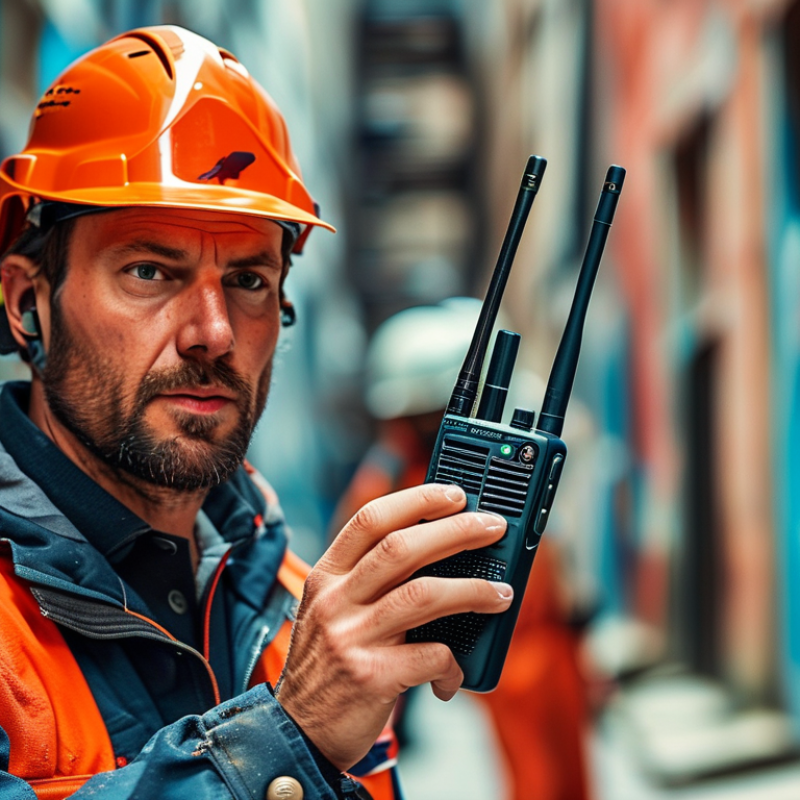
Understanding Your Communication Needs and Environment
When considering a walkie talkie phone, it’s crucial to understand your specific communication needs. Different environments require distinct features. For instance, a study by the Telecommunications Industry Association shows that 70% of outdoor users prioritize waterproof and durable designs. If your activities include hiking or construction, durability could save you from frequent replacements.
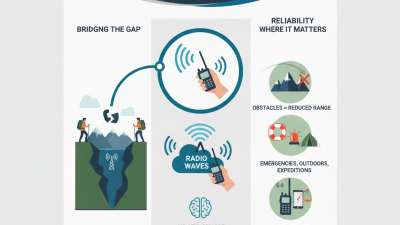
You also need to think about range. An analysis from the International Telecommunication Union states that urban environments can reduce effective range by over 50%. In contrast, clear rural areas might allow for distances up to 10 miles. Assess your setting carefully. Don’t overlook battery life either; a constant connection is vital. According to a report by Research and Markets, 80% of users prefer devices with at least 12 hours of battery runtime for all-day use.
Lastly, consider how many users you need to connect. Some models cater to larger groups, while others are more suited for small teams. A diverse user base adds complexity to your choice. Choosing the wrong model may lead to frustration, especially if features don’t align with the environment. Reflect on your communication landscape before making a decision.
Top Tips for Choosing the Best Walkie Talkie Phone for Your Needs
| Feature |
Details |
| Range |
Up to 30 miles in open areas, less in urban environments. |
| Battery Life |
Typically lasts 8 to 12 hours on a single charge. |
| Durability |
Water and dust resistant models available; IPX ratings indicate level of protection. |
| Communication Quality |
Clear audio with minimal interference; some models come with noise cancellation features. |
| Size and Weight |
Compact and lightweight designs for portability; consider size if using in remote locations. |
| Channels |
Ensure multiple channels for communication flexibility, especially in crowded areas. |
| Price Range |
Typically between $30 to $150 depending on features and durability. |
Key Features to Look for in Walkie Talkie Phones
When choosing the best walkie talkie phone for your needs, you must consider several key features. Range is crucial. Look for models that cover at least several miles. This ensures that you can communicate even in large areas. Battery life is another significant factor. High-capacity batteries can last for days on a single charge, which is beneficial during outdoor activities.
Durability is essential. Many walkie talkie phones are built to withstand harsh conditions. Waterproof and shock-resistant designs are ideal for outdoor enthusiasts. Ergonomics also matter. A comfortable grip enhances usability. Buttons should be easy to access, even when wearing gloves.
Finally, additional features like programmable channels and noise cancellation can enhance your experience. Some units offer emergency signals and built-in flashlights. However, be cautious; not all features may be necessary for your needs. Analyze what you truly require and avoid overcomplicating your choice. Emphasize what fits your lifestyle best, and reflect on how these tools serve your specific purposes.
Evaluating Battery Life and Charging Options
Battery life is a crucial factor when selecting a walkie-talkie phone. High-quality models can support up to 24 hours of usage on a single charge. According to a recent industry report, 40% of users listed battery performance as their top priority. Long-lasting devices ensure communication is maintained, especially during outdoor excursions or emergencies.
Consider the charging options available. Quick-charge features can reduce downtime significantly. Many models now offer USB-C charging capability, allowing for faster and more versatile recharging. Users often prefer walkie-talkies that come with car chargers, adding convenience for road trips.
Tip: Always evaluate your expected usage. If you plan to use the device frequently, opt for models with extended battery life. Don’t overlook accessories that enhance charging efficiency. It’s beneficial to balance battery life with device weight, as bulkier models may be less portable.
Assessing Range and Signal Quality for Different Usage Scenarios
When choosing a walkie talkie phone, assessing range and signal quality is critical. Different usage scenarios demand distinct capabilities. For example, outdoor use may require greater range due to interference from obstacles. In contrast, indoor environments often limit range but need clearer signal quality for effective communication.
According to a report by the Federal Communications Commission (FCC), urban areas can reduce signal effectiveness by 30% or more. This highlights the importance of understanding your environment. In rural areas, expect longer ranges of up to 35 miles, while urban areas may cut this down to as low as 2 miles. Make sure to assess your surroundings before buying a device.
Tip 1: Look for models with adjustable frequencies. This feature enhances performance in various environments, allowing better signal clarity.
Another point to consider is the power source. Rechargeable batteries offer convenience, but understand the life span. Some models may only operate for 10 hours on a single charge. If you need extended use, investing in a model that supports external battery packs could be wise.
Tip 2: Always test in your intended environment before finalizing your choice. A walkie talkie that works great in one setting may fail in another.
Signal clarity can deteriorate with distance. Choosing devices with a higher wattage typically ensures stronger signals. However, keep in mind that higher wattage may not always translate into better signal quality. You may find diminishing returns beyond a certain point.
Budget Considerations and Choosing the Right Model for You
When choosing a walkie-talkie phone, budget plays a crucial role. According to recent industry reports, the price range for these devices can vary significantly. Entry-level models can be found for around $30, while advanced models can exceed $200. Therefore, evaluating your needs is key. Consider how often you will use it and in what environments. Frequent users in rugged conditions should opt for durable models, even if they cost more.
Tips: Think about battery life. Some devices offer extended usage time, which is critical for outdoor adventures. Also, range should be considered. Many walkie-talkies claim impressive distances but may not deliver in dense areas.
The features you need will affect your budget. Essential options include weather resistance, sound clarity, and ease of use. If a model lacks essential features, it might lead to frustration. Strive to strike a balance between affordability and quality. Researching consumer reviews can offer insights. Use resources like user forums to learn from real experiences. Investing in a reliable device saves money in the long run.