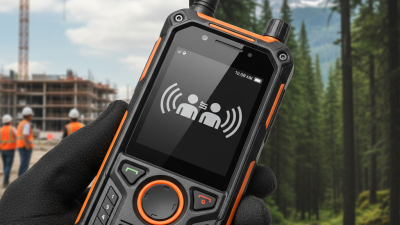
Choosing the right Walkie Talkie Phone is not simply about picking the longest advertised range. Real performance depends on terrain, network coverage, battery size, speaker clarity, and daily handling.
Martin Cooper, a pioneer of mobile communications, once said, “People want to talk to other people—not to a house.” His observation still matters today. A useful Walkie Talkie Phone should connect people quickly, clearly, and reliably. It should work in a warehouse, on a construction site, during a family trip, or across a crowded event area.
These ten tips examine the details that product pages often overlook. We will consider push-to-talk speed, microphone quality, battery endurance, durability ratings, coverage limits, and ease of use. A device that claims a ten-kilometer range may perform very differently between concrete buildings and open countryside. Walls matter. Weather matters. User habits matter.
Small details can decide the experience. Can you press the talk button while wearing gloves? Is the speaker loud enough beside moving vehicles? Does the battery survive a full work shift? Can the phone switch smoothly between cellular service and radio communication?
No checklist is perfect. I still question some manufacturer claims, especially when testing conditions remain unclear. Buyers should compare independent reviews, return policies, warranty terms, and local communication requirements before purchasing. Safety features also deserve careful attention, but they should never replace responsible planning or emergency services.
The best Walkie Talkie Phone is not always the most expensive model. It is the model that fits your environment, communication needs, and actual routines.
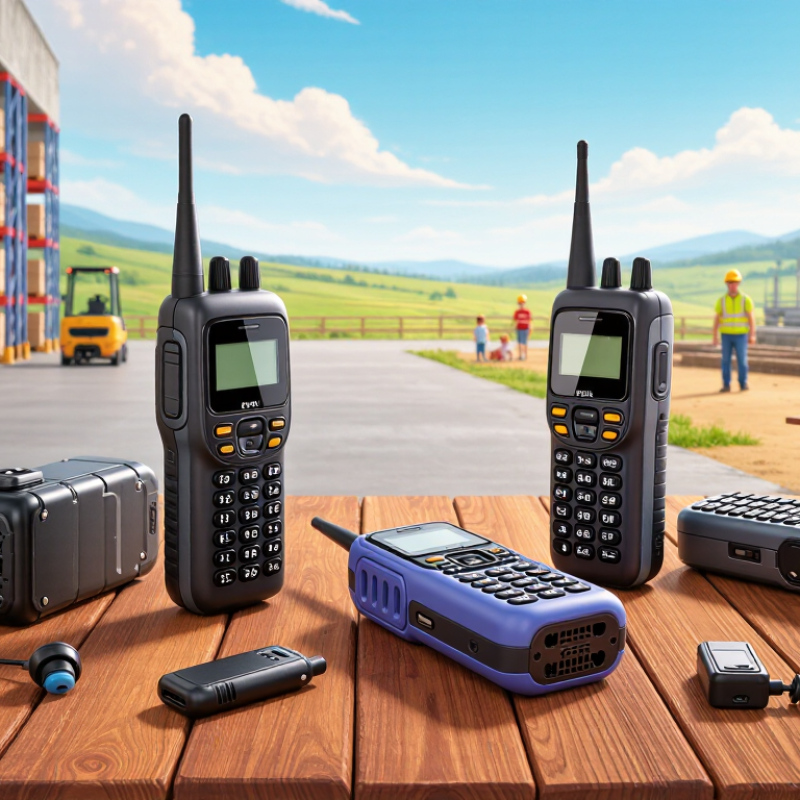
Before choosing a walkie talkie phone, describe where, why, and how people will communicate. A warehouse team may need instant calls around metal shelving, while hikers need coverage across open terrain. These are different problems. Write down the expected distance, number of users, call frequency, and usual noise level. A device that works well outdoors may struggle inside concrete buildings.
Consider the daily routine, not just advertised range. Will workers wear gloves? Will they carry the device in rain, dust, or direct sunlight? A delivery crew may value a loud speaker, simple controls, and a battery lasting through a full shift. A family traveling in remote areas may need location sharing, emergency contact access, and charging options. Test the device while walking, driving slowly, or standing behind walls. Real conditions often reduce performance.
I once assumed longer range meant better communication. That was too simple. Hills, steel, trees, and crowded networks can change results quickly. Check whether the service requires cellular coverage, Wi-Fi, or a licensed radio frequency. Local rules may apply, especially for radio transmission power. Reliable communication also depends on clear group settings and disciplined use. Too many users on one channel create confusion. A short trial with actual users can reveal uncomfortable details, such as weak microphones or buttons that are hard to press.

Choosing the best walkie talkie phone starts with realistic range testing. Advertised distances often assume open land, clear weather, and no radio interference. Buildings, trees, hills, and heavy traffic can reduce coverage sharply. Test the device where you will actually use it.
During field checks, walk 500 meters away while another person stays indoors. Record broken words, delays, and sudden signal loss. A strong signal should remain understandable, not merely connected. Digital models may sound clear until they fail abruptly. Analog models can become noisy but may provide warning before communication disappears.
Environmental performance matters just as much. Look for water and dust resistance, a grippy casing, and controls that work with gloves. Cold weather can reduce battery capacity, while direct sunlight may make the display difficult to read. Check charging behavior after rain exposure, but never assume a water-resistant device is waterproof. I once trusted a claimed range and ignored a concrete structure; communication failed after two floors. My testing was not perfect, and that mistake changed my checklist. Examine antenna placement, speaker volume, microphone clarity, and battery endurance under real use. A reliable device should work beside machinery, inside vehicles, and across uneven ground. Read technical specifications, but verify them through independent testing and user reports. Signal quality is a practical experience, not just a number.
10 Tips for Choosing the Best Walkie Talkie Phone
Battery life matters more than a large feature list during a long shift. Check rated talk time, standby time, and performance with location services enabled. A device claiming thirty hours may last far less with constant communication. I learned this after a cold-weather trial ended before lunch. Temperature affects battery output. Choose a replaceable battery when possible, especially for field work. Keep one charged spare in a sealed pouch. Small detail, major relief.
Charging options should fit your routine, not just your desk. USB-C charging is convenient, while a multi-device dock helps teams prepare quickly. A vehicle charger can support mobile workers between appointments. Check whether charging continues through a protective case. Also inspect the port cover. It should close firmly without feeling fragile. Durability requires more than a thick shell. Look for verified drop testing, water and dust resistance ratings, recessed controls, and a screen visible under bright sunlight. Ask for test conditions, because ratings can be misunderstood. I prefer physical buttons when wearing gloves, though they may feel old-fashioned. Review repair support and battery replacement policies before buying. A sealed device may resist water better, but repairs can become expensive. Real-world reliability often depends on these unglamorous details.
| No. | Selection Dimension | What to Check | Practical Benchmark | How to Evaluate It | Why It Matters |
|---|---|---|---|---|---|
| 1 | Battery Capacity | Battery capacity in milliampere-hours (mAh) and whether the battery is removable. | A capacity of about 1,500–3,000 mAh is common for compact handheld communication devices. | Compare capacity with the device’s weight, screen size, radio power, and published operating time. | A larger battery can extend use, but capacity alone does not guarantee longer runtime. |
| 2 | Real-World Battery Runtime | Separate talk time, standby time, data-use time, and mixed-use runtime. | Prefer independently tested mixed-use runtime of at least one full working day, or approximately 8–12 hours for active use. | Look for test conditions and compare results using the same network, screen brightness, and transmission pattern. | Manufacturers often measure standby time under ideal conditions that do not represent normal use. |
| 3 | Charging Method | Charging connector, cable availability, charging speed, and compatibility with standard power sources. | USB-C charging is generally more convenient; a full charge in approximately 2–4 hours is practical for many portable devices. | Check whether the package includes a cable, whether the connector is protected, and whether charging works from a vehicle adapter or power bank. | Widely available charging accessories reduce downtime during travel or field work. |
| 4 | Battery Replacement and Safety | Availability of replacement batteries, battery health information, and charging protection. | Choose a device with documented overcharge, overheat, and short-circuit protection and an accessible replacement plan. | Review the user manual for approved battery specifications and storage or temperature limits. | Lithium-ion batteries gradually lose capacity and typically need replacement after several hundred charge cycles. |
| 5 | Water and Dust Resistance | Look for an official IP rating rather than general claims such as “weather resistant.” | IP54 offers protection from limited dust ingress and water splashes; IP67 adds dust-tight protection and temporary immersion resistance under stated test conditions. | Confirm that the rating applies to the complete device and that all port covers are properly closed during testing. | Ingress protection helps reduce failures caused by rain, dust, and accidental exposure to water. |
| 6 | Drop and Shock Resistance | Construction materials, reinforced corners, screen protection, and published drop-test information. | A device tested from approximately 1–1.5 meters onto a hard surface provides a useful durability reference, but test methods must be reviewed. | Check whether the test used multiple drops, different faces, and a powered-on device rather than a single laboratory impact. | Handheld communication devices are frequently dropped during outdoor and industrial use. |
| 7 | Communication Range | Radio frequency, transmit power, antenna design, network dependence, and environmental conditions. | Treat advertised range as an unobstructed line-of-sight maximum; buildings, hills, trees, and interference can reduce it substantially. | Test the device at the locations where it will be used, including indoors, between buildings, and in areas with limited network coverage. | Actual range depends more on terrain, antenna placement, and network availability than on marketing distance claims. |
| 8 | Controls and Audio Quality | Push-to-talk response, speaker volume, microphone clarity, noise reduction, and glove-friendly controls. | Controls should be identifiable without looking, and speech should remain understandable in environments around 70–80 dB. | Test calls in traffic, wind, warehouses, or crowded areas and verify that the emergency or push-to-talk button is easy to locate. | Clear audio and simple controls improve communication speed and reduce operating errors. |
| 9 | Size, Weight, and Ergonomics | Overall dimensions, weight with battery installed, grip texture, belt clip, and screen readability. | A lightweight device under approximately 250–300 g is generally easier to carry throughout a full shift. | Hold the device with one hand, operate it while wearing gloves, and check whether the antenna or controls obstruct clothing or equipment. | Comfort affects whether users carry the device consistently and can operate it quickly. |
| 10 | Serviceability and Long-Term Support | Warranty length, repair process, software support, spare parts, and documentation. | Prefer at least a one-year warranty, clear repair instructions, and documented availability of batteries or charging accessories. | Check the warranty exclusions, expected support period, firmware-update policy, and total cost of replacement accessories. | Reliable support can extend useful service life and reduce the cost of ownership over several years. |
Check Features, Compatibility, Privacy, and Ease of Use
A useful walkie talkie phone should fit your real routine, not just advertise impressive specifications. Check battery capacity, signal range, speaker volume, water resistance, and charging options. Test the controls with gloves if you work outdoors. A bright screen helps in poor lighting. Physical buttons can be faster than menus. Keep it simple.
Compatibility deserves careful attention. Confirm whether the device connects through cellular networks, Wi-Fi, radio channels, or a combination. Two devices may look similar but still fail to communicate. Check supported frequencies, network requirements, and communication distance in your usual location. Buildings, hills, and heavy weather can reduce range. Marketing estimates are rarely perfect.
Privacy also needs practical checking. Look for screen locks, secure account settings, contact controls, and clear data policies. Avoid storing sensitive conversations longer than necessary. Ask how location information is handled. Ease of use matters during stress. Can you adjust volume quickly? Can another person understand the voice clearly? Try the device before relying on it. A weak microphone can ruin an otherwise strong model. I would not trust a single laboratory rating. Real conditions are messier. Check local communication requirements before use, because technical compatibility does not guarantee permission everywhere.
10 Tips for Choosing the Best Walkie Talkie Phone
Review the complete cost, not only the price shown online. A lower-priced unit may need a separate charger, spare battery, protective case, or service plan. Check replacement battery prices and expected battery life. In daily use, a device that lasts one full shift is more useful than one with impressive laboratory figures. Network fees may also apply when the phone uses cellular calling or data. Read the warranty terms carefully. Some warranties exclude water damage or commercial use.
Regulations deserve equal attention. Radio frequencies, transmission power, and licensing requirements differ between countries and regions. Choose equipment approved for your location, and confirm which channels are permitted. Do not assume a device is legal because it is widely sold online. A local regulator or qualified communications dealer can provide reliable guidance. Keep the user manual available, especially when programming channels.
Long-term reliability depends on more than a strong outer shell. Look for clear audio, physical buttons, replaceable batteries, dependable charging contacts, and useful water resistance. Review repair options and software support before buying. Independent user reports can reveal weak hinges, fading screens, or batteries that fail after several months. I once focused too heavily on range and overlooked charging speed. That was a practical mistake. Test the device indoors, outdoors, and in poor weather when possible. Real conditions are less forgiving.
Regulatory power limits vary by radio service. Check licensing rules, total ownership cost, battery performance, durability, and long-term support before buying.
The chart shows published maximum transmitter-power limits for several widely used two-way radio services. FRS and PMR446 are generally license-free services with lower power limits, while GMRS allows higher power in the United States but requires a license. Actual range depends on terrain, antennas, buildings, battery condition, and local regulations.