2026 Top Walkie Talkies for Global Buyers to Consider?
In the ever-evolving communications market, walkie talkies remain essential tools for various industries. According to a recent report by Grand View Research, the global walkie talkie market is expected to grow significantly, reaching USD 5.2 billion by 2027. This growth is largely driven by the increasing demand for reliable communication solutions in sectors such as retail, construction, and emergency services.
Walkie talkies provide distinct advantages over traditional mobile phones, particularly in environments where instant communication is critical. Their robustness and ease of use make them favored alternatives for outdoor activities and industrial applications. However, buyers must consider several factors before making a purchase, including battery life, range, and durability.
Despite their popularity, walkie talkies are not without limitations. Signal interference, for example, can impede communication in densely populated or obstructed areas. Potential buyers should weigh these challenges against the advantages to find the most suitable model. As we explore the top walkie talkies for 2026, understanding these dynamics will guide users in making informed decisions that enhance their communication experience.
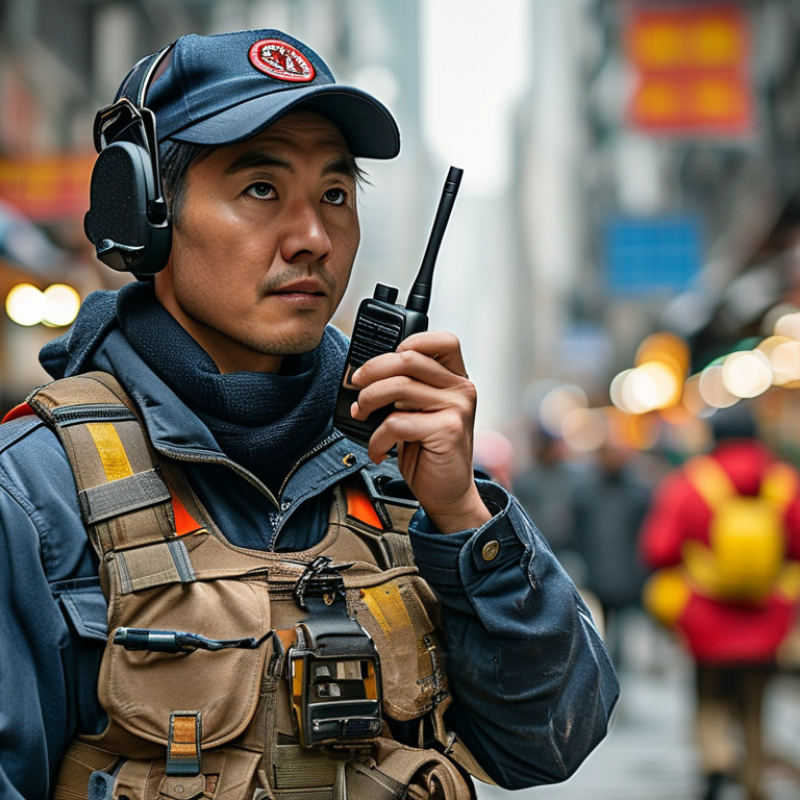
Overview of Walkie Talkies Available in 2026
In 2026, the walkie talkie market is set to expand significantly, driven by advancements in technology. According to recent industry reports, global sales of two-way radios are projected to surpass $5 billion. This growth is fueled by their increasing use in sectors such as construction, security, and outdoor recreation. The ability to communicate over long distances without relying on cellular networks makes walkie talkies indispensable in many areas.
A notable trend in 2026 is the rise of digital walkie talkies. These devices offer clear audio quality and extended battery life. Professional users often seek features like noise cancellation and multiple channels. Factors like durability and water resistance also play a crucial role in purchasing decisions. However, some models can be overly complex, which may deter casual users.
Surprisingly, a gap still exists in user education regarding proper walkie talkie usage. While these devices offer many benefits, misunderstandings about range and frequencies can lead to frustration. Users must consider their unique needs and environments before making a choice. The importance of choosing the right model cannot be overstated, as the wrong selection might impact communication efficiency.
Key Features to Look for in Modern Walkie Talkies
When considering modern walkie talkies, several key features greatly enhance their usability.
Battery life is crucial. Users often face frustrations with devices that drain quickly.
A long-lasting battery ensures communication remains uninterrupted during critical moments. Look for models that offer extended battery options.
The weight and size of the device matter too. Lightweight options are easier to carry and can reduce fatigue during long usage periods.
Another essential feature is sound clarity. Poor audio quality can lead to misunderstandings.
Crystal clear audio is vital, especially in noisy environments. Look for devices with noise-canceling technology.
This feature helps to minimize background disturbances. Additionally, the range of communication is paramount.
Some devices may not perform well in dense urban settings. Investigate specifications on range to find the best fit for your needs.
Moreover, durability is a must-have characteristic. Walkie talkies should withstand rough handling or adverse weather.
Waterproof and shock-resistant models are often more reliable.
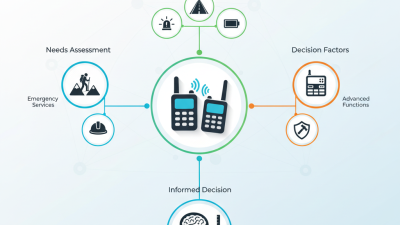
While these features are essential, potential users should reflect on their specific usage scenarios.
Overlooking personal needs could lead to dissatisfaction with the chosen model.
Evaluating what features are genuinely needed will pave the way for better purchasing decisions in the long run.
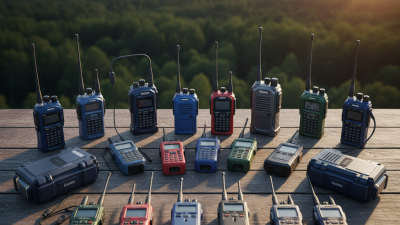
Comparison of Popular Walkie Talkie Brands for Global Buyers
Walkie talkies are essential tools for effective communication, especially in remote areas. Many global buyers seek reliable brands. According to a 2022 market report, the walkie talkie market is expected to reach $2.2 billion by 2026, reflecting significant demand across various sectors.
When comparing popular brands, it's crucial to consider key features. Range, battery life, and durability are often highlighted. For instance, many models offer ranges of up to 35 miles in open areas. However, real-world usage often shows shorter ranges due to obstacles. Battery life varies, with some offering over 18 hours on a single charge, yet actual performance may depend on usage frequency.
Most buyers prioritize user-friendly designs. Yet, not all models provide intuitive interfaces. It's important to read customer reviews and understand the limitations. Additionally, some walkie talkies struggle in extreme weather conditions. Buyers must consider if they need robust devices for rugged environments or lighter models for casual use. Each brand has its strengths and weaknesses, making personal research vital.
2026 Top Walkie Talkies Performance Comparison
Top Walkie Talkie Models Recommended for Various Uses
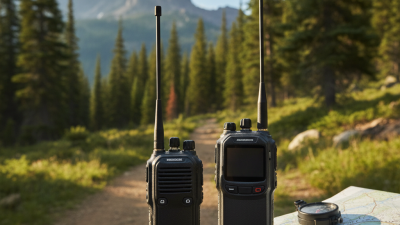
When choosing a walkie-talkie, users have various needs. For outdoor adventures, look for models with a robust range and durability. These devices often operate in tough conditions, so materials and design matter. Some models feature weather resistance or rugged exteriors that can withstand drops. Field tests show that a long battery life is essential for users who spend all day outside.
For indoor use, a compact and easy-to-use model will serve best. Look for walkie-talkies with clear audio quality and good battery efficiency. These devices should connect seamlessly in buildings or warehouses. Range becomes less of a concern indoors, but clarity and ease of communication are crucial. Users often appreciate features like voice activation or speaker feedback for hands-free operation.
Tips: Prioritize clarity and battery life when choosing your walkie-talkie. Also, consider how many units you need. A set of three or four is often sufficient for group activities. Test the devices in real-life situations if possible. This way, you can assess their performance before making a purchase decision.
Pricing and Value Considerations for Purchasing Walkie Talkies
When considering walkie talkies, pricing and value are crucial factors. A comprehensive industry report suggests that entry-level models start at around $30, while professional-grade units can exceed $300. This wide range highlights the importance of identifying user needs. For occasional outdoor enthusiasts, a basic model suffices. In contrast, construction teams may need advanced features, such as longer battery life and superior durability.
Users should also weigh long-term value against upfront costs. A mid-range device priced at $100 might offer enhanced features, like better range and clarity. These attributes can reduce repeated purchases. Research indicates that reliable communication can boost team productivity by up to 25%. Therefore, investing in quality payoffs in the long run.
However, it's essential to avoid assuming that higher prices guarantee top performance. Some affordable models outperform higher-priced options. User reviews indicate variability in satisfaction levels. These discrepancies emphasize the need for careful comparisons before making a purchase. Understanding one's specific requirements can lead to a more informed choice, ensuring worthwhile investment in communication tools.