What is a Walkie Talkie Headset and How Does It Work?
In the fast-paced world of communication, a Walkie Talkie Headset proves invaluable. Experts like Tom Adams, a communications engineer, highlight its efficacy: "Walkie Talkie Headsets can simplify conversations in noisy environments." This technology combines convenience with functionality.
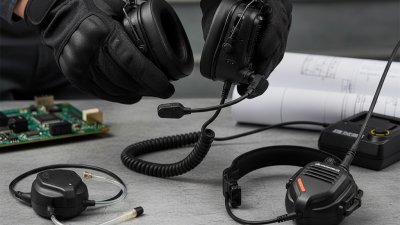
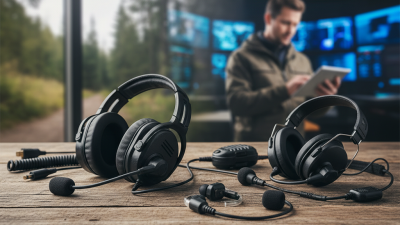
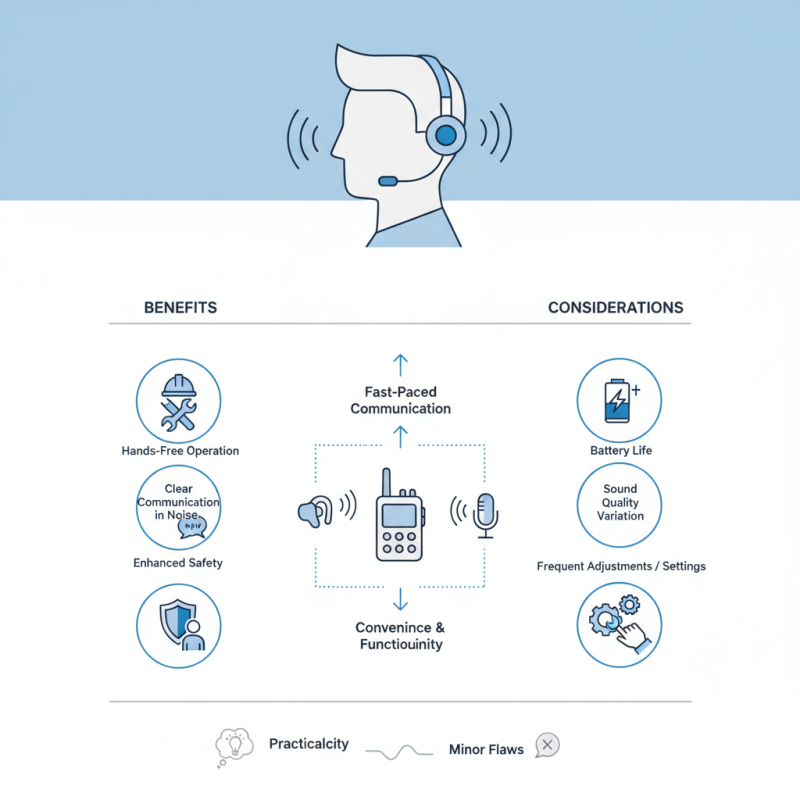
A Walkie Talkie Headset is designed for clarity and ease of use. It consists of earpieces and microphones connected to a walkie talkie. Users enjoy hands-free operation, which enhances safety, particularly in industries such as construction or security. The headset allows quick, effective communication without distractions.
While Walkie Talkie Headsets are popular, they aren't perfect. Battery life and sound quality can vary, leading to frustrations. Users may find themselves adjusting settings frequently. Recognizing these limitations is crucial for anyone considering this communication tool. The blend of practicality and minor flaws invites thoughtful discussion about improvements.
Definition and Purpose of a Walkie Talkie Headset
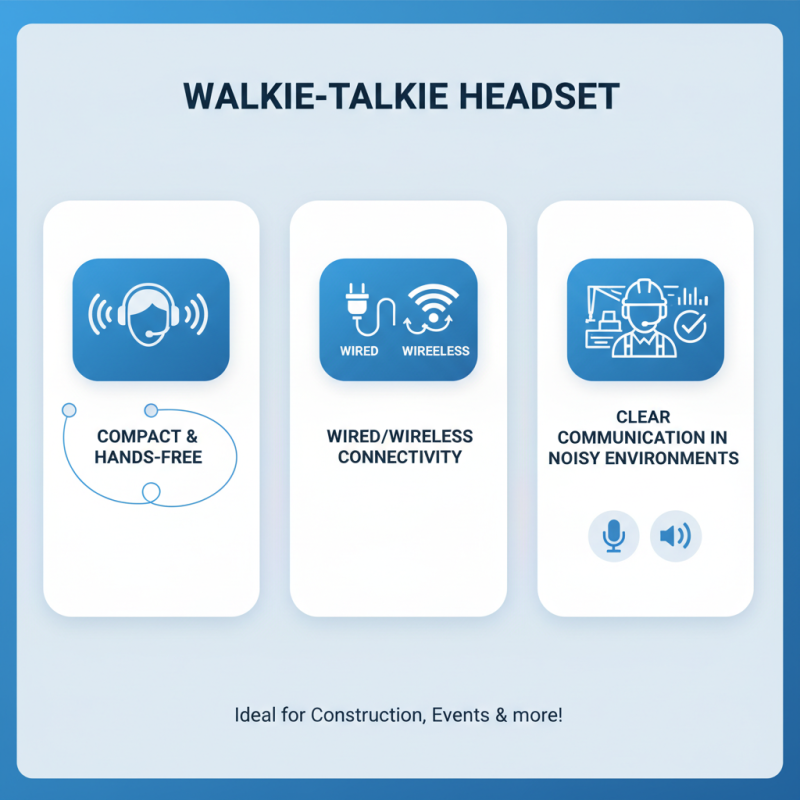
A walkie talkie headset is a compact communication device designed for hands-free operation. It connects to walkie talkies through a wired or wireless connection. This allows users to communicate easily without holding a device. The purpose is to facilitate clear communication in noisy environments. Think of construction sites or busy events where clarity is key.
The headset typically features a microphone and speakers. Users can hear incoming messages and respond instantly. This is important for teamwork and coordination. Often, these headsets come with features like noise cancellation. It reduces background noise and enhances clarity. Despite these advancements, some users struggle with comfort during prolonged use. Not every headset fits all.
Choosing the right headset can be tricky. Many options exist, but not all are suitable for every environment. Some might fall short in sound quality or durability. It’s essential to find a balance. User feedback often highlights these issues. The right choice can significantly impact communication effectiveness.
Key Components of Walkie Talkie Headsets
Walkie talkie headsets are essential tools in various industries. They enhance communication in noisy environments. Understanding their key components is crucial for effective use.
Microphones are one of the most important parts. They capture voice clearly, even in loud settings. Many headsets use noise-canceling technology. This feature blocks out background noise, providing clearer communication. A report from the International Journal of Audio Engineering states that good microphones can improve message clarity by up to 75%.
Another vital component is the speaker. Speakers convert audio signals back into sound. Quality speakers ensure that users hear communications without distortion. Some headsets include adjustable volume controls for convenience. Keeping the volume at a moderate level can prevent hearing damage, which is a common concern.
Tip: When selecting a headset, consider the microphone positioning. A well-placed mic enhances voice clarity significantly.
In addition, the material of the headset affects comfort. Some may find heavy designs cumbersome. Lightweight options often provide better comfort for prolonged use. Make sure to check user reviews to find a suitable model.
Tip: Regularly clean and maintain your headset. This can extend its lifespan and maintain sound quality.
How Walkie Talkie Headsets Transmit and Receive Signals
Walkie Talkie headsets are essential tools for seamless communication. They convert audio into radio signals and transmit them wirelessly. The basic mechanism includes a microphone and an earpiece. The microphone captures sound, while the earpiece allows users to hear. According to industry reports, the global market for wireless communication devices is expected to grow significantly, with walkie talkies holding a substantial share due to their reliability.
Signals are transmitted through specific radio frequencies. These frequencies range from VHF to UHF, making them versatile for different environments. Most headsets use half-duplex systems, allowing only one party to speak at a time. This means quick responses are crucial. Many users may overlook this limitation during busy operations, leading to communication delays. Such setbacks can occur in emergency situations where clarity is crucial.
Battery life affects performance. A fully charged headset may last for 12 to 24 hours, depending on usage. Conducting regular maintenance is vital to ensure optimal functionality. Neglected headsets may result in static or weak signals. This can cause misunderstandings, especially in high-stakes environments like construction sites or security operations. Thus, ongoing training and awareness of equipment functions are necessary for effective communication.
Types of Walkie Talkie Headsets and Their Applications
Walkie talkie headsets are widely used across various industries. They provide hands-free communication, essential for safety and efficiency. There are several types of walkie talkie headsets tailored for different applications.
One popular type is the over-ear headset, often used in construction and security. These provide better noise isolation. They help workers focus on communication, minimizing distractions. Lightweight models are available too. These are great for long hours without discomfort.
Another type is the in-ear headset, ideal for retail and hospitality. They are less conspicuous and provide discreet communication. Users can stay connected with minimal interruption. However, these can sometimes be less durable. They may need replacement more often than over-ear models.
**Tips:** Always test a headset before committing to it. Comfort is crucial for long-term use. Consider a headset with adjustable volume controls. This feature helps in noisy environments. Ensure that the headset fits well and is easy to wear during tasks.
Advantages of Using Walkie Talkie Headsets for Communication
Walkie Talkie headsets are essential tools for effective communication in various settings. They combine the practicality of walkie talkies with the comfort of headsets. These devices enhance collaboration in industries like construction and event management, where clear communication is crucial. According to industry reports, around 75% of businesses find walkie talkie headsets increase efficiency during operations.
One significant advantage is hands-free communication. Workers can talk while performing tasks, improving safety and productivity. In noisy environments, headsets filter out background noise, allowing users to hear clearly. This feature is vital in manufacturing plants, where sound can impede verbal communication.
Tips: Ensure you choose the right headset type for your environment. Different models cater to specific needs, from noise-canceling features to waterproof designs. Also, consider comfort during long shifts. A poorly fitting headset can lead to discomfort, affecting overall communication.
Moreover, the durability of headsets matters. In rugged work sites, a durable headset lasts longer and saves costs. However, it’s essential to assess the balance between price and quality. Some cheaper models may not withstand harsh conditions. Investing wisely is key to long-term efficiency and safety.