Why Walkie Talkie Phones Are Essential for Everyday Communication
In today's fast-paced world, effective communication is more important than ever, and the advent of Walkie Talkie Phones has revolutionized the way we stay connected. These innovative devices blend the simplicity of traditional walkie talkies with the advanced features of modern smartphones, offering users a unique solution for instant communication. Whether you're coordinating activities with a group, managing a team on a busy job site, or simply enjoying outdoor adventures, Walkie Talkie Phones provide an unmatched level of convenience and reliability.
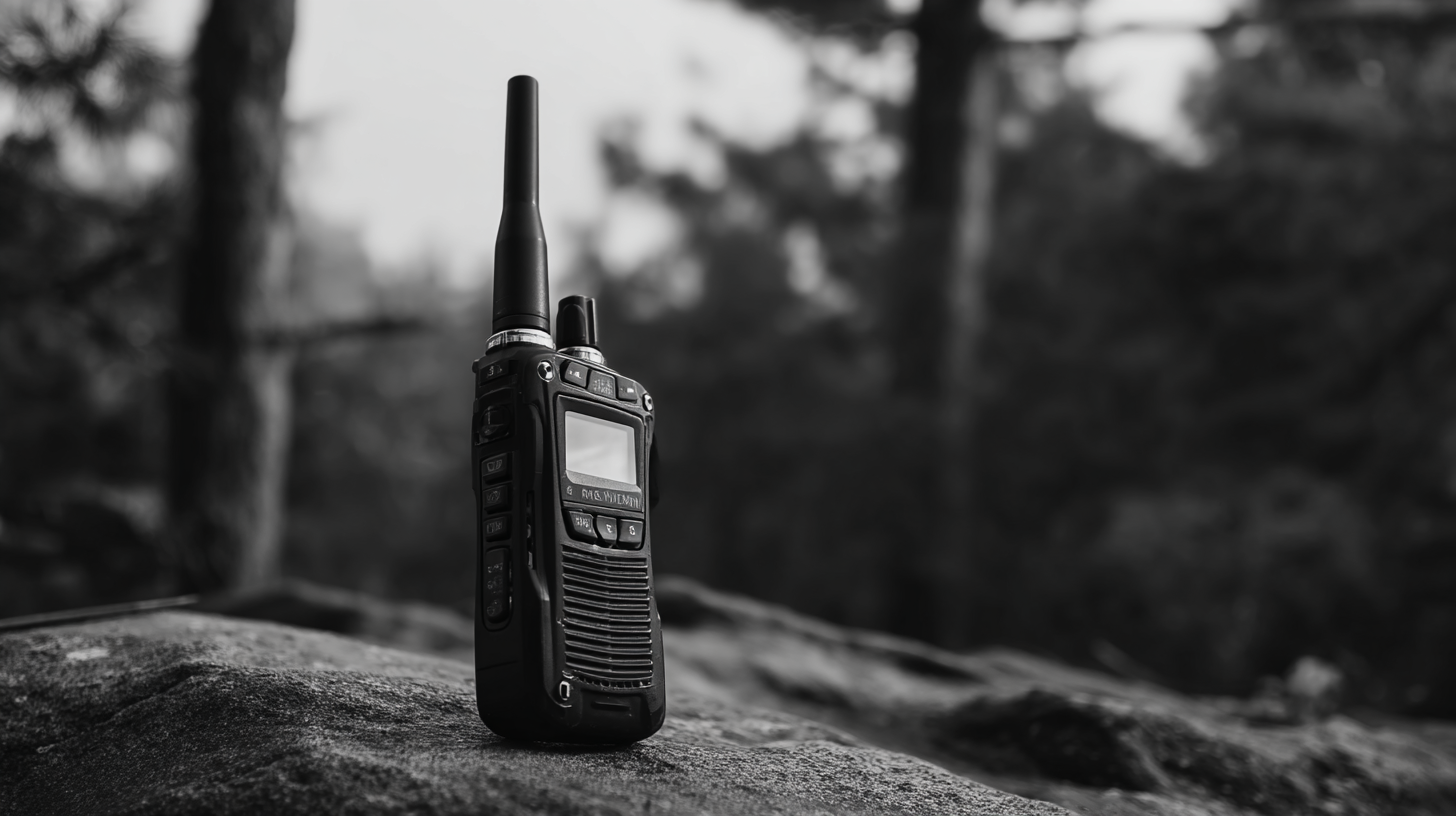
The versatility of Walkie Talkie Phones makes them essential tools for various scenarios, from family outings to professional environments. Their capacity to enable immediate communication without the need for cellular networks makes them particularly advantageous in areas with weak signal reception or during emergencies. Moreover, many models come equipped with additional features such as GPS, messaging capabilities, and enhanced battery life, further solidifying their place in our daily communication toolkit. In this article, we will explore the top five reasons why Walkie Talkie Phones are not just a nostalgic relic, but an essential part of contemporary communication methods.
The Evolution of Walkie Talkie Phones in Modern Communication Landscape
The evolution of walkie-talkie phones has positioned them as vital tools in the modern communication landscape.
As highlighted by recent market analyses, the global walkie-talkie market is projected to grow significantly,
increasing from USD 4.83 billion in 2024 to an anticipated USD 10.23 billion by 2033.
This surge in demand reflects a broader shift towards efficient, reliable communication methods that cater to both personal and professional needs.
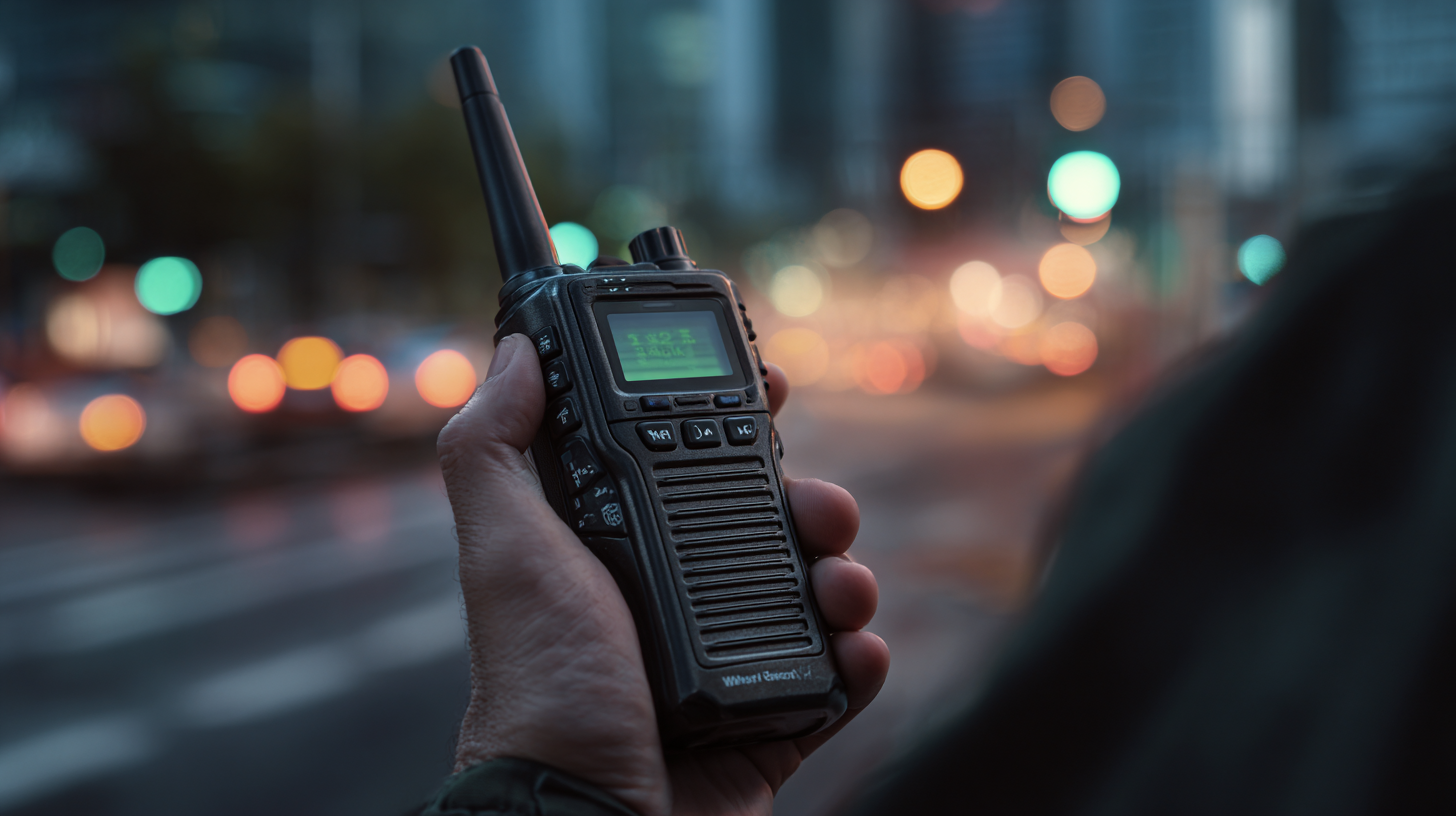
The transition from analog to digital communication systems is a critical factor driving this growth,
as it enhances clarity, range, and security in communications. Just as in-vehicle land mobile radios have advanced in response to safety and efficiency demands,
walkie-talkie phones have adapted to provide real-time connectivity in various environments—from construction sites to outdoor adventures.
Furthermore, as the communication landscape continues to evolve, the integration of digital technology reaffirms the walkie-talkie phone's relevance,
proving that such devices are not merely relics of the past, but essential instruments for effective communication today.
Key Features of Walkie Talkie Phones That Enhance Everyday Connectivity
Walkie talkie phones have become an essential communication tool, particularly in environments where traditional cell service is unreliable. With advancements in technology, these devices are equipped with features that cater to a range of functionalities. For instance, many modern models support long-range communication, allowing users to connect over several miles, making them ideal for outdoor enthusiasts and professionals working in remote locations. Reports indicate that the global market for walkie-talkies is expected to reach $5.5 billion by 2027, highlighting their growing importance across various sectors.
Moreover, features such as weather resistance and rugged designs increase their usability in challenging environments. The integration of advanced functionalities like Bluetooth connectivity and compatibility with smart devices enhances the versatility of walkie talkie phones, allowing for seamless communication without reliance on cellular networks. Data shows that emergency responder communication systems are increasingly incorporating walkie talkies due to their reliability in critical situations, demonstrating their invaluable role in ensuring safety and connectivity in everyday scenarios. In urban settings and outdoor expeditions alike, the ability of walkie talkies to maintain contact during emergencies makes them indispensable tools for everyday communication.
Key Features of Walkie Talkie Phones That Enhance Everyday Connectivity
This chart illustrates the importance ratings of key features in walkie talkie phones that enhance everyday communication. Range, battery life, ease of use, durability, and cost are evaluated, showing that ease of use and range are the most crucial features for users.
Impact of Walkie Talkie Phones on Business Efficiency and Team Collaboration
Walkie talkie phones have revolutionized communication within businesses, significantly enhancing
team collaboration and operational efficiency. These devices facilitate
real-time communication, allowing team members to exchange information
instantly, regardless of their location. This immediacy reduces delays associated with traditional forms of
communication, such as emails or phone calls, thus streamlining workflows. In industries where quick
decision-making is critical, such as construction or event management, the ability to communicate
face-to-face—even at a distance—ensures that teams can stay coordinated and responsive to changing conditions.
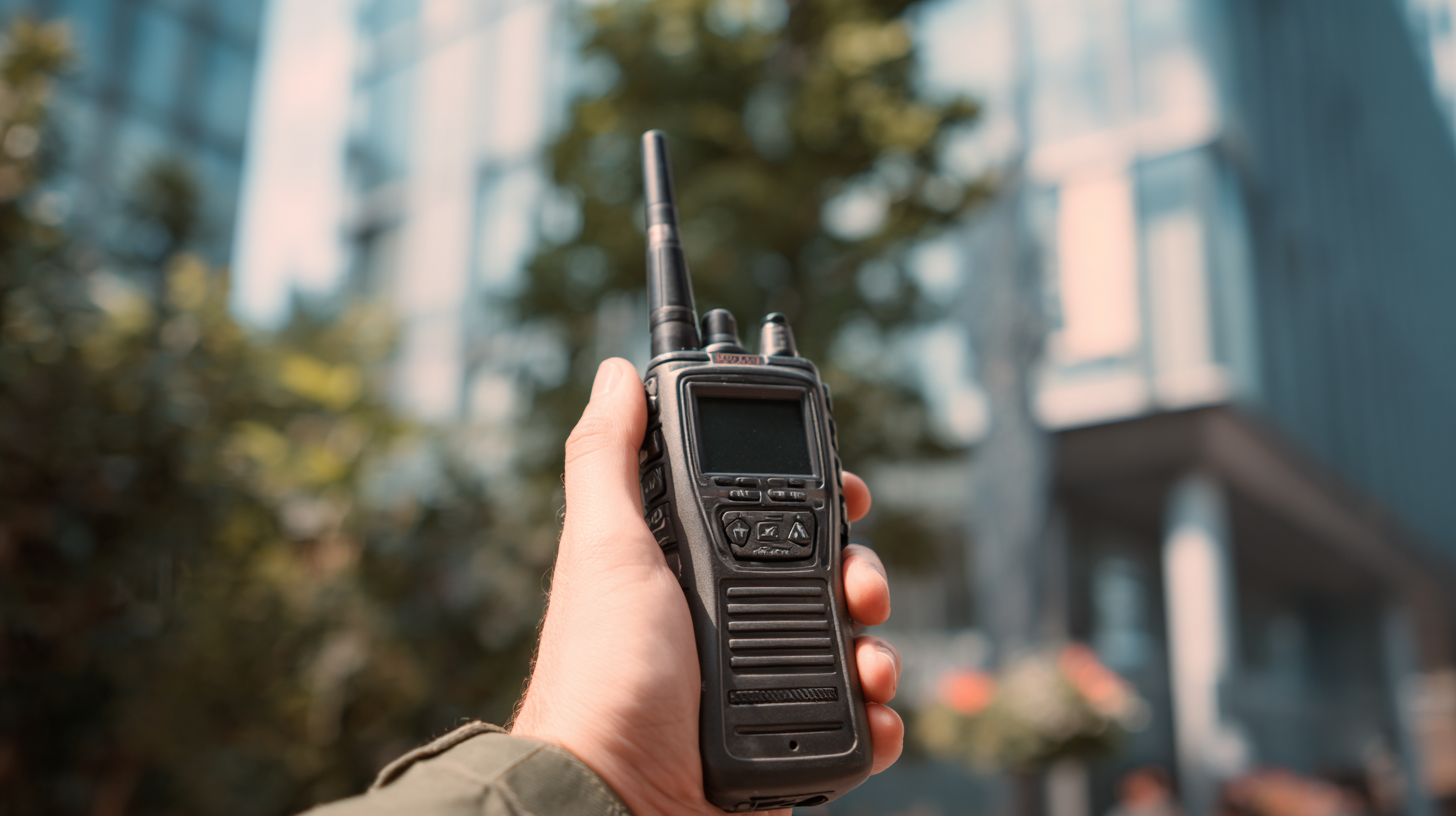
Moreover, walkie talkie phones empower teams by fostering a culture of collaboration. When employees can
communicate effortlessly, they feel more connected to their peers, leading to increased morale and
productivity. Features such as group channels enable entire teams
to discuss strategies or handle emergencies collectively, reducing the risk of miscommunication that can occur
with fragmented communication methods. As a result, businesses experience not only
improved project outcomes but also enhanced team
dynamics, where everyone feels included and informed. This synergy ultimately drives performance and can
lead to greater organizational success.
Industry Statistics: Walkie Talkie Device Usage Trends and Growth Projections
The walkie talkie market is poised for significant growth, particularly driven by advancements in technology and the increasing demand for reliable communication tools. The South Korea Push-To-Talk over Cellular (PoC) market illustrates this trend, with projections indicating an increase from $489.4 million in 2025 to $975.9 million by 2032, marking a compound annual growth rate (CAGR) of 10.36%. This shift underscores a broader global movement towards digital solutions that enhance communication efficiency in various sectors.
Moreover, the overall walkie talkie market is expected to see robust expansion, with its size anticipated to exceed USD 4.3 billion in 2024 and to grow at over 9.4% CAGR until 2034. Increasing reliance on walkie talkies for both private and professional use highlights their importance in ensuring seamless communication. Factors such as the shift to digital walkie talkies are set to propel market growth significantly, reinforcing their essential role in everyday interactions.
Comparative Analysis: Walkie Talkie Phones vs. Traditional Communication Methods
In today’s fast-paced world, efficient communication is paramount, especially in industries such as construction, security, and event management. A comparative analysis between walkie talkie phones and traditional communication methods, such as mobile phones and emails, highlights several advantages of two-way radios. According to a report by the International Association of Chiefs of Police, nearly 75% of public safety organizations have adopted walkie-talkies due to their reliability in noisy environments and their ability to maintain clear communication over extended distances without network interruptions.
Furthermore, walkie talkie phones offer instantaneous communication, which is critical in emergency situations. A study conducted by Frost & Sullivan indicates that instant communication not only enhances response times but also significantly increases operational efficiency. For example, industries that employ two-way radios report a 20% improvement in productivity compared to those relying solely on mobile phones and emails. While traditional methods may offer more advanced features such as text messaging and internet access, the immediacy and durability of walkie talkie phones make them an essential tool for effective communication in demanding environments.
Why Walkie Talkie Phones Are Essential for Everyday Communication - Comparative Analysis: Walkie Talkie Phones vs. Traditional Communication Methods
| Feature |
Walkie Talkie Phones |
Traditional Communication Methods |
| Range |
Up to 10 miles |
Limited by network availability |
| Battery Life |
Long-lasting (up to 24 hours) |
Depends on phone model (typically 8-12 hours) |
| Durability |
Generally rugged and water-resistant |
Fragile and less suitable for rough conditions |
| Ease of Use |
One-button operation |
Requires navigation through screens |
| Cost |
Generally lower cost for multiple units |
Higher costs associated with plans and devices |
| Instant Communication |
Immediate push-to-talk feature |
Potential delays with cellular connections |
| Group Communication |
Easy to communicate with multiple people |
Requires conference calling setup |