Why Walkie Talkies Are Essential for Outdoor Adventures and Communication
In today’s fast-paced world, effective communication is vital, especially during outdoor adventures. Walkie Talkies have become essential tools for hikers, campers, and explorers. According to a report by the Outdoor Industry Association, more than 49 million Americans engage in outdoor activities annually. Among these enthusiasts, reliable communication is crucial for safety and coordination.
Tom Hennessey, a renowned expert in outdoor communication, states, “Walkie Talkies are the lifeline in the wilderness.” These devices not only allow voice communication over long distances but also work in areas where cellular networks fail. The clear audio and immediate connectivity eliminate uncertainties in crucial situations. A study by Tech Research Group highlights that over 80% of outdoor adventurers prefer Walkie Talkies for instant communication.
While these devices are reliable, users should consider limitations. Battery life and range can sometimes vary based on terrain. It's essential to familiarize oneself with the device before venturing out. Incorporating Walkie Talkies into outdoor plans enhances safety and adventure. Every explorer should prioritize having a reliable communication device during their journeys.

The Importance of Walkie Talkies in Outdoor Adventures
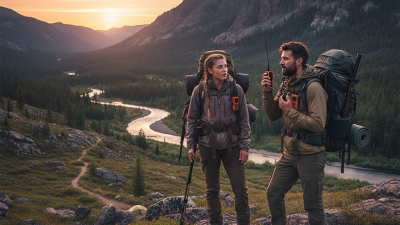
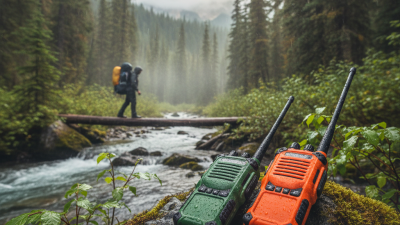
Outdoor adventures offer excitement and a chance to connect with nature. However, safety is paramount during these trips. Walkie talkies are invaluable tools for communication. They allow adventurers to stay in touch, no matter how remote the area. A short message can ensure everyone is safe and on track.
When trekking through dense forests or scaling mountains, cell service may be unreliable. Here, walkie talkies shine. They can operate without cell signals. This allows groups to maintain contact. For instance, if someone needs to take a different route, they can easily communicate. Misunderstandings can be avoided. Communication remains seamless, fostering collaboration.
Tip: Before your adventure, test your walkie talkies. Ensure they work correctly in your area. It’s frustrating to find out they lack range when you need them most.
Consider possible obstacles. Signals can be weaker in valleys or dense woods. Test different locations to find the best coverage. This helps avoid confusion later.
Tip: Use clear language when speaking. Jargon can lead to misunderstandings, especially under stress. Keep it simple; convey your thoughts plainly.
Key Features of Walkie Talkies for Effective Communication
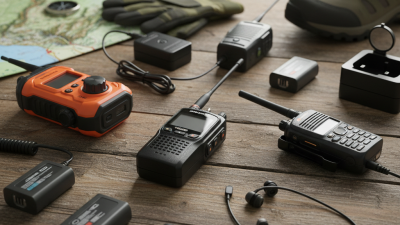
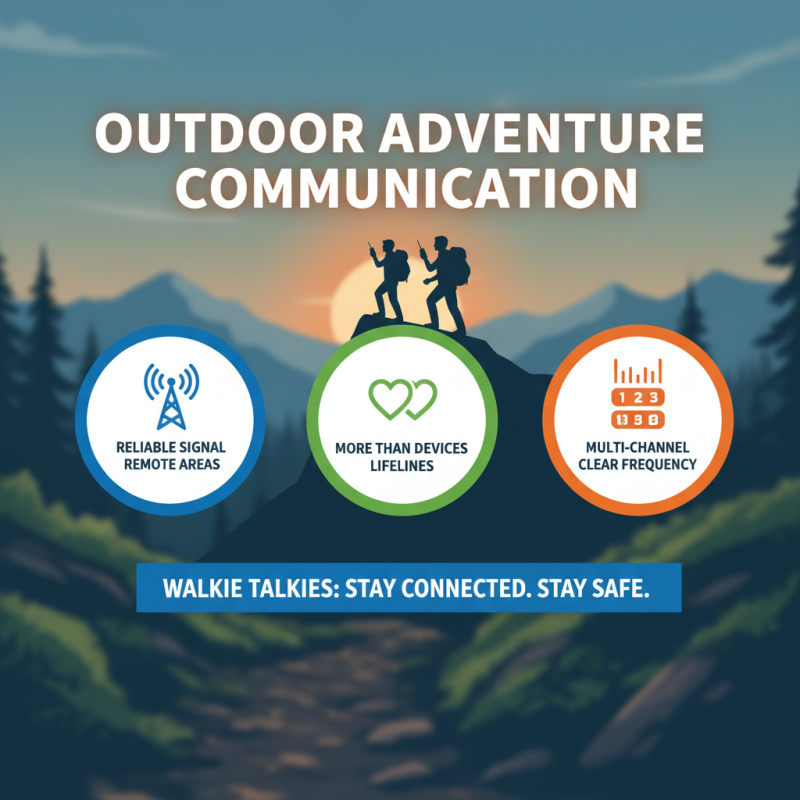
When embarking on outdoor adventures, effective communication is vital. Walkie talkies offer a reliable means to stay connected in remote areas. They are more than just devices; they are lifelines. Good walkie talkies should have a strong signal range. Many operate on different channels, making it easier to find a clear frequency.
Battery life is another crucial feature. Long-lasting batteries are essential during extended trips. No one wants to be cut off mid-hike. Additionally, weather resistance is important. Rain or dust can quickly damage less durable models. Considering the environment is key when choosing a device.
Ease of use is significant too. Intuitive controls help everyone, regardless of experience levels. Users can learn quick communication protocols. In high-pressure situations, clarity matters. Adjustable volume settings can help in various environments. A simple design allows for quick access during emergencies. These features enhance outdoor experiences, yet, choosing the right walkie talkie can be tricky. It requires reflection on personal needs and adventure types.
Advantages of Walkie Talkies Over Mobile Phones in Remote Areas
In outdoor adventures, clear communication is vital. Walkie talkies offer a distinct advantage over mobile phones in remote areas. They work without cellular service. This means you can stay connected even when there’s no signal. Imagine hiking through dense forests or climbing rugged mountains. With walkie talkies, a simple push of a button keeps your group informed. The ease of use is appealing, especially in urgent situations.
Battery life is another crucial factor. Walkie talkies can last for days on a single charge. Mobile phones often need frequent recharging, especially when used for navigation or photos. During a camping trip, a dead phone can cut off communication. However, walkie talkies provide peace of mind. They can often survive rough handling and harsh weather conditions.
Noise is a concern too. In windy or crowded environments, walkie talkies cut through the chaos. Their dedicated frequencies help maintain clear conversations. However, user experience can vary. Sometimes, interference occurs. Reflection on these moments is necessary. After all, knowing how to manage expectations enhances the adventure. Embracing the limitations of each device can lead to better planning and preparation.
Safety and Emergency Uses of Walkie Talkies in Outdoor Activities
In outdoor adventures, communication is crucial. Walkie talkies provide a reliable connection when cell service fails. Research indicates that over 30% of outdoor enthusiasts report losing signal at critical moments. Walkie talkies bridge that gap. They function in remote areas where traditional phones cannot. This capability is vital for hikers, campers, and climbers.
Safety is a primary concern during outdoor activities. Accident reports show that timely communication reduces rescue times by 25%. Walkie talkies allow immediate updates on injuries or emergencies. This quick relay can mean the difference between minor hiccups and serious incidents. They are also practical for coordinating group movements. Sometimes, your friends may wander off. A quick call over a walkie talkie can regroup everyone efficiently.
However, not all outdoor users prioritize these tools. Many underestimate their importance. Some adventurers still rely solely on smartphones. Data suggests that 40% of hikers felt confident without a walkie talkie. But in an emergency, this overconfidence can be troubling. Walkie talkies serve as a backup communication method. It is wise to consider their benefits alongside other gear.
Importance of Walkie Talkies in Outdoor Adventures
Choosing the Right Walkie Talkie for Your Adventure Needs
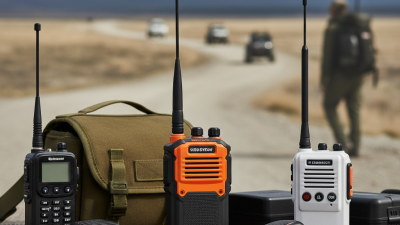
Choosing the right walkie talkie for outdoor adventures can make a big difference. Consider the range you need. Some models work well over long distances, while others are better for short trips. If you're hiking in remote areas, opt for a unit with a greater range. Battery life is also crucial. You don’t want your device dying when you need it the most.
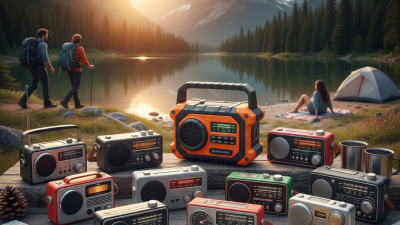
Think about the features that suit your needs. Many walkie talkies offer weather alerts, built-in flashlights, and even emergency functions. These options can be very useful during unexpected situations. Reflect on your adventure type. A simple, lightweight model might work well for a day hike. But for more extended excursions, look for durable options with robust batteries.
**Tips**: Always test your walkie talkie before your trip. Familiarize yourself with its functions and ensure it works properly. Keep it dry and clean. You may want to store it in a waterproof case if you're near water or facing rain. Lastly, prioritize user-friendly interfaces, especially when you're on the move.