Best Ski Walkie Talkies for Clear Communication on Slopes?
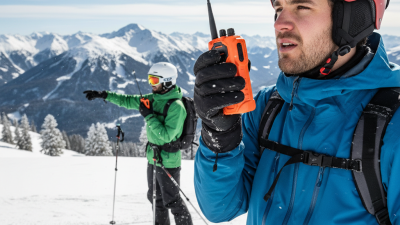
When hitting the slopes, clear communication is essential for safety and enjoyment. Ski Walkie Talkies emerge as invaluable tools for skiers. These devices allow instant connectivity, enhancing the skiing experience. Gone are the days of shouting across the snow or relying on erratic cell phone signals.
Selecting the right Ski Walkie Talkies can be tricky. Various factors, such as range and battery life, come into play. Some models boast impressive distances, while others fall short. It’s crucial to evaluate what features matter most for your skiing group. Certain walkie talkies may offer superior clarity, but are they durable enough for the harsh mountain environment?
Having the best Ski Walkie Talkies can transform your time on the slopes. They provide a sense of security. However, not all communication devices perform reliably in cold conditions. There is always a chance of interference or low battery issues. Understanding these limitations helps you make informed choices for your adventures.
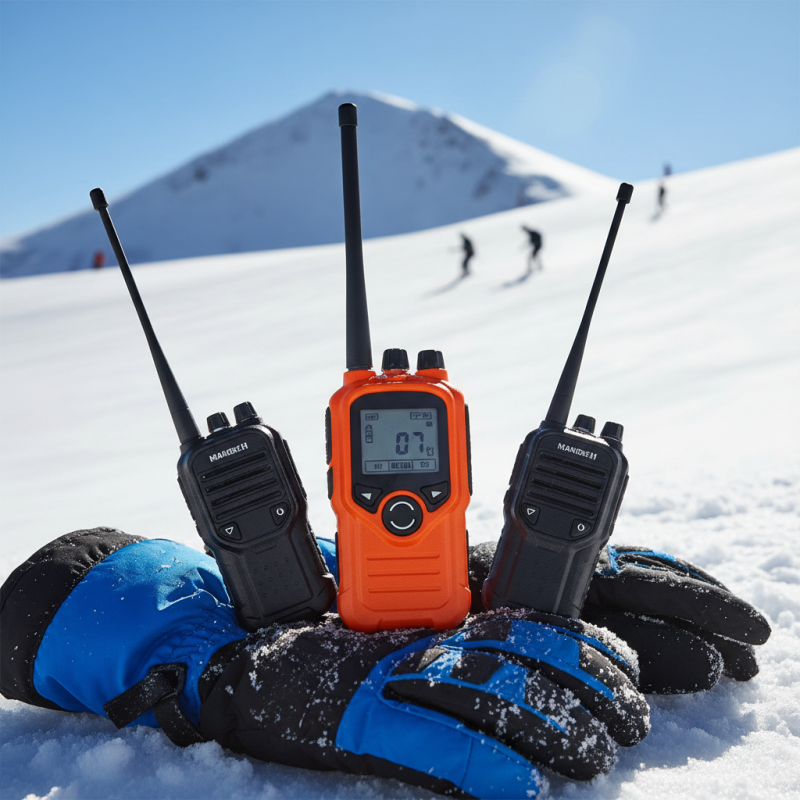
Choosing the Right Features for Ski Walkie Talkies
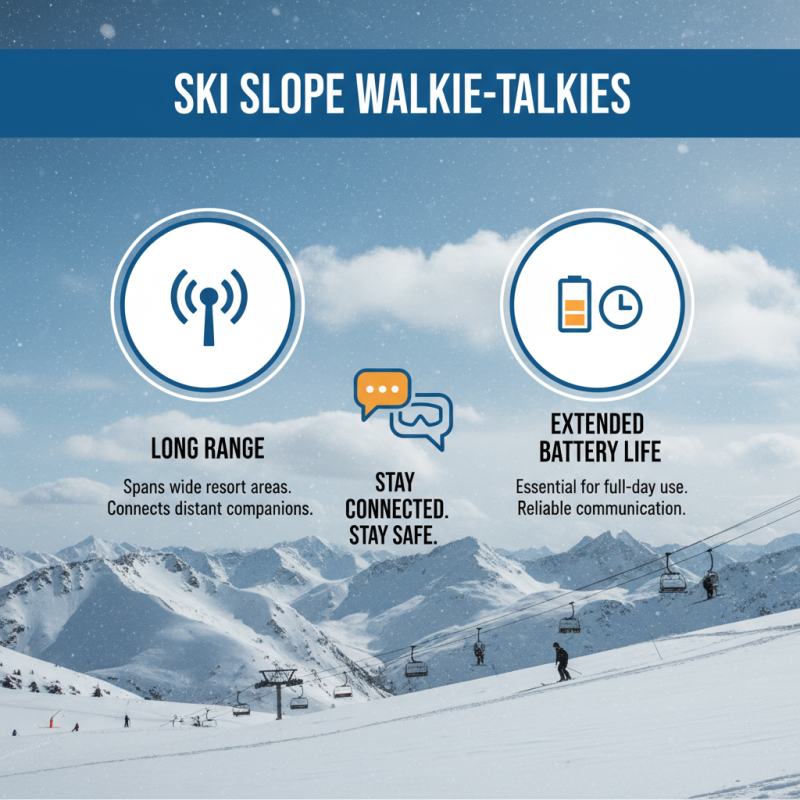
When selecting ski walkie talkies, consider key features that enhance your experience on the slopes. Battery life is crucial. Long-lasting batteries ensure that communication remains uninterrupted during your ski day. Look for models with rechargeable options or extended battery life. Check reviews to see how these perform in real-world conditions. A device that fails mid-day loses its purpose.
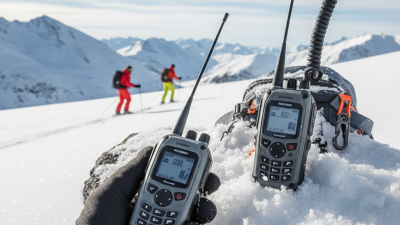
Range matters as well. The best walkie talkies should cover at least a few miles. This is vital for keeping in touch when your group spreads out on the mountain. Beware of advertised ranges, as they may not reflect true performance. Seek user feedback from skiers who have tested these products in similar conditions.
Features like weather resistance can make a difference. Skiing exposes you to unpredictable weather. Choose walkie talkies that can withstand snow and cold. While some models boast advanced functions, they can be overwhelming to use. Sometimes, simplicity is best. A reliable device doesn't need all the bells and whistles; it needs to work efficiently when you need it most.
Best Ski Walkie Talkies for Clear Communication on Slopes
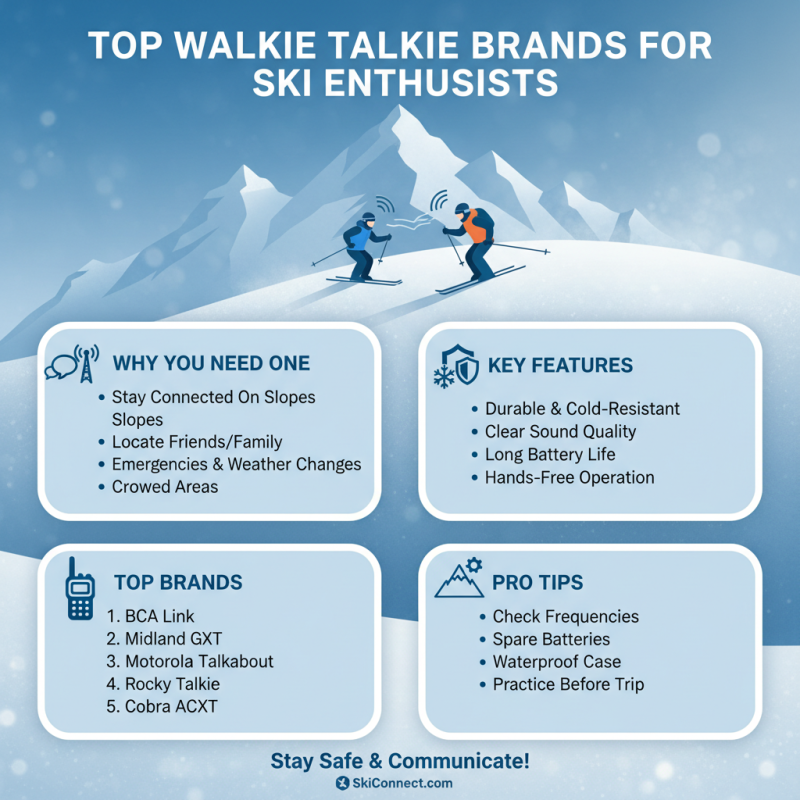
Top Walkie Talkie Brands for Ski Enthusiasts
Skiing offers thrilling adventures, but communication can be challenging on the slopes. For ski enthusiasts, having a reliable walkie talkie is essential. It helps keep friends connected, especially in crowded areas or during sudden weather changes. Brands specializing in outdoor communication gear often emphasize clear sound quality and durability. Many of these options are built to withstand cold temperatures and unexpected drops.
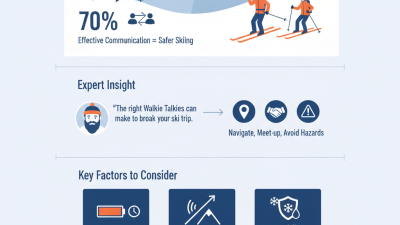
When selecting a walkie talkie, battery life and range are vital. Skiers need devices that can last through a long day on the mountain without losing power. Look for features like noise-cancellation technology to reduce wind interference. Whether you are navigating off-piste or sharing tips with friends, clarity matters. Research shows that effective communication can enhance safety and enjoyment while skiing.
Not all walkie talkies perform equally in real-world conditions. Skiers may encounter issues like limited range due to terrain. Reflecting on personal experiences can help improve choices. Some users prefer lightweight models, while others might sacrifice portability for better features. Finding the ideal balance often requires trial and error.
Durability and Weather Resistance of Ski Walkie Talkies
When hitting the slopes, clear communication can enhance safety and enjoyment. Ski walkie talkies are essential for this purpose. However, not all devices are built to withstand harsh winter conditions. The durability and weather resistance of these tools are crucial factors for skiers. Devices should ideally have robust constructions that resist impact, snow, and ice. Reports indicate that about 30% of walkie talkie failures occur due to exposure to the elements.
Your ski walkie talkie must have a solid waterproof rating. A minimum of IP67 certification is recommended. Such devices can survive temporary immersion in water, preventing failure during unexpected snow or rain. Additionally, a strong antenna helps maintain a reliable connection. Research shows that less than 15% of skiers use walkie talkies designed for extreme conditions. This oversight can lead to frustrating communication breakdowns.
Battery life plays a significant role in overall reliability. Cold temperatures can reduce battery efficiency by up to 50%. Look for devices with rechargeable batteries that perform well in icy conditions. Often, skiers must consider battery packs or heated cases. While these adaptations may not be fail-proof, they demonstrate the importance of preparation for cold weather. Ultimately, investing in durable and weather-resistant technology is not just a choice—it's a necessity for safety on the slopes.
User Reviews: Performance of Walkie Talkies in Skiing Conditions
Skiing often presents communication challenges. Walkie talkies can bridge this gap. User reviews indicate that clarity varies based on model choice and environmental factors. Many skiers report that the walkie talkies performed well in light snow. However, performance can drop in heavy snow or high winds.
Skiers often expect long-range communication. Unfortunately, many devices fail to deliver. Users express frustration when they lose battery life quickly. Some models work better in open areas than in dense forests. This inconsistency can affect group coordination and safety.
Equipment should also withstand cold temperatures. Users found some models fragile and prone to malfunctions. A few models had impressive durability, but others cracked under pressure. Such experiences highlight the need for reliable gear. Skiers must weigh cost against performance. It’s evident that not all walkie talkies are made equal. Testing different brands in real conditions is essential for making informed choices.