How to Choose the Best Walkie Talkie Set for Your Needs?
Choosing the right Walkie Talkie Set can be overwhelming. With countless options available, how do you ensure you make the best choice? This guide aims to simplify the selection process.
Walkie Talkies are essential tools for communication in various settings. Whether for outdoor adventures, business communications, or family outings, selecting a suitable set is crucial. Features like range, battery life, and durability matter. You should also consider your specific needs, like the number of users and the environment in which you'll use them.
While many products boast impressive specifications, not all may fit your unique situation. It’s easy to be misled by flashy marketing. Take time to read reviews and compare features. Sometimes, it’s beneficial to test different models firsthand. The perfect Walkie Talkie Set for one might not suit another. Reflecting on your requirements can lead to a more informed decision.
Understanding Your Communication Needs and Environment
Understanding your communication needs is crucial when choosing a walkie-talkie set. Different environments require different features. For instance, if you're in a densely populated area, a walkie-talkie with a higher frequency range is essential for clear transmission. Data shows that 60% of users report communication drops in urban areas without robust devices.
Consider the distance you need the device to cover. Studies indicate that most recreational users need a range of about two miles, while professionals may require ten or more. Terrain also plays a vital role. Hills and buildings can obstruct signals, affecting reliability.
A device with a strong battery life is also critical; reports suggest a battery outage can halt communication in crucial situations.
Assessing the specific features is important. Look for options like weather resistance if you’re outdoors. Many people overlook this, leading to dissatisfaction later. User feedback highlights that adaptability is key. A walkie-talkie may excel in one area but falter in another.
Reflect on your unique requirements to fully meet your expectations. It's vital to remember that technology evolves, and today’s best choice may differ tomorrow.
Key Features to Consider in Walkie Talkies
When choosing a walkie talkie set, focus on essential features. Battery life is critical. Look for models with long-lasting batteries. This is important for outdoor adventures or lengthy events. High-quality audio clarity enhances communication. Distorted sound can lead to misunderstandings. Test the range before purchase. Make sure it meets your expected needs.
Consider the durability of the device. Some walkie talkies are built to withstand harsh conditions. Weather-resistant options are great for outdoor use. Additionally, features like built-in noise cancellation can be valuable. They help maintain clear sound in noisy environments. Reflect on your primary use. Are these for casual family outings or professional use? This determines which specifications are vital.
Think about the weight and portability. A heavy device can be cumbersome. Lightweight options increase comfort during long periods. Lastly, user-friendliness is significant. The controls should be intuitive. Complicated devices can frustrate users. Evaluate feedback from other users. Real experiences highlight potential concerns. This approach ensures you find the right walkie-talkie set for your needs.
Evaluating Battery Life and Power Options
When evaluating battery life and power options for walkie talkies, consider the duration of use. Some users might find short battery life inconvenient. Think about how often you'll need to recharge. Some models can last up to 24 hours, while others last only a few hours. For extensive outdoor activities, a longer-lasting battery is crucial.
Another aspect to consider is the type of battery. Rechargeable batteries are eco-friendly, but disposable batteries may offer more flexibility in remote areas. However, having to replace batteries often can become a hassle. Keeping extra batteries on hand could alleviate potential issues.
Think about power options too. Some walkie talkies offer solar charging features. This could be beneficial for extended trips. Reflecting on your specific needs and usage patterns is essential. Assessing your requirements will help choose a reliable model that suits your lifestyle.
Assessing Range and Frequency Capabilities
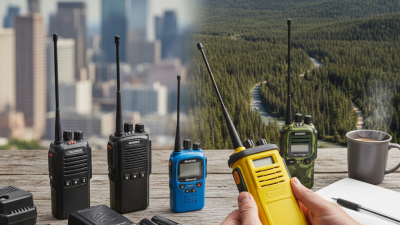
When choosing a walkie talkie set, assessing the range and frequency is crucial. First, consider where you plan to use them. The open countryside allows for more range compared to urban areas filled with obstacles. Mountains and buildings can significantly limit signal strength. Understanding these factors helps in making an informed choice.
Frequency capabilities also play a vital role. Walkie talkies often operate on UHF or VHF bands. UHF is more suitable for urban settings, where it can penetrate walls better. VHF works well in open areas. However, remember that longer ranges do not always mean better communication. Sometimes, a device with a shorter range can provide clearer sound quality over a specific distance.
Consider the environments you’ll engage with. Different frequencies react unpredictably under various conditions. They may perform well in some situations but poorly in others. It's essential to test devices in real conditions before settling on a choice. This hands-on approach provides valuable insights beyond specifications. Remember, the ideal walkie talkie set aligns with your specific needs and the terrain you navigate.
Comparing Cost and Brand Reliability
Choosing the right walkie talkie set is crucial for various needs. When comparing cost and brand reliability, it's essential to consider both initial investment and long-term benefits. A report by the Consumer Technology Association indicates that reliable communication devices can improve team efficiency by up to 30%. While some brands may offer cheaper options, they often sacrifice quality and durability.
Reliability should not be overlooked. The International Telecommunications Union highlights that devices with superior build quality often last longer. This means fewer replacements and, ultimately, lower costs over time. Some budget models may seem appealing, but they often fail under tough conditions. For example, a report cited that lower-tier models had a 40% higher failure rate in rugged environments compared to premium options.
For effective walkie talkie use, consider your environment. If you're using them in an outdoor setting, look for weather-resistant options. Battery life also plays a vital role. Walkie talkies with longer battery lives enable seamless communication during extended activities. Investing in a reliable set today can prove more cost-effective than repeated purchases of cheaper alternatives. Always weigh the upfront costs against future savings.