Why You Should Consider Hand Crank Radios for Emergency Preparedness?
In an unpredictable world, emergency preparedness is crucial. Experts emphasize the importance of reliable communication tools in times of crisis. Johnathan Greene, a renowned survival strategy consultant, once stated, "Hand Crank Radios are a lifeline when all else fails." His insight highlights the value of having a dependable power source during emergencies.
Hand Crank Radios offer a unique advantage. They don’t rely on batteries. Instead, they harness energy through manual cranking. This feature ensures that users can stay informed even when the electrical grid is down. Many people overlook this simple yet effective device during their preparedness planning. Relying solely on smartphones can prove fatal in some situations.
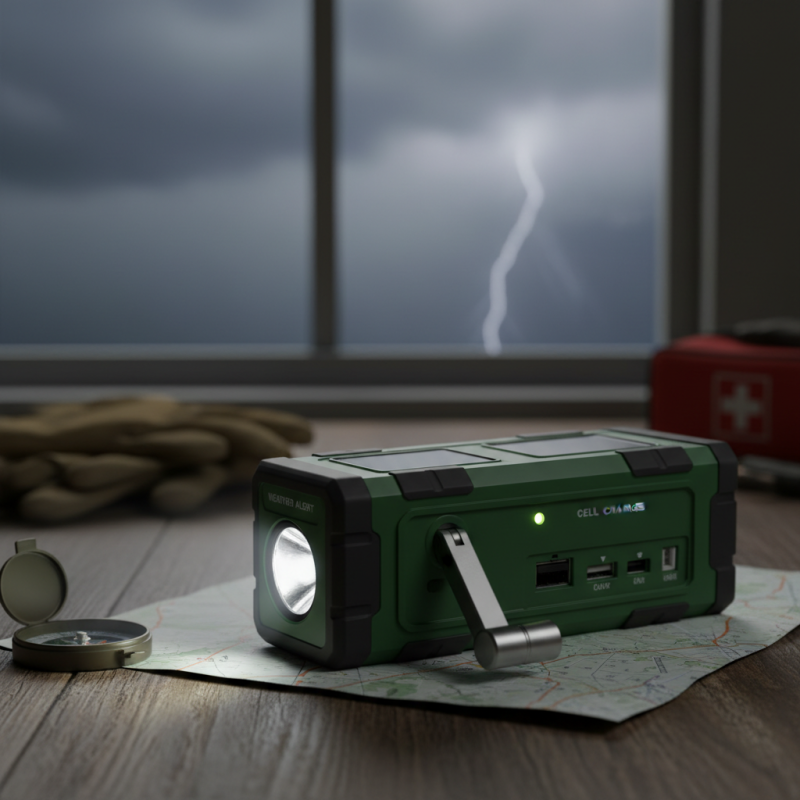
In addition, these radios often include emergency features. Some models provide weather alerts, flashlight options, and USB charging ports. This multi-functionality can be a game changer in dire situations. With the unpredictable nature of natural disasters, having a Hand Crank Radio can provide peace of mind. After all, staying connected during an emergency is not just about survival; it’s about being prepared to take action.
Benefits of Hand Crank Radios in Emergency Situations
Hand crank radios offer unique advantages during emergencies. Their most significant benefit is independence from traditional power sources. In a blackout or severe weather, these radios ensure you stay informed. You simply crank the handle to generate power. This simple action keeps you connected when other devices fail.
Another benefit is their durability and weather resistance. Hand crank radios are designed to endure harsh conditions. Rain, snow, or extreme heat won’t easily damage them. This reliability means you can trust them in critical moments. Many models also include features like flashlights and USB ports. These added functionalities increase their value during emergencies.
While hand crank radios are useful, they are not perfect. Some models may lack strong signal reception. This could leave you in the dark during critical times. Users should research and choose wisely. It is also essential to practice using the radio. Familiarity can make a difference when every second counts. Knowing how to operate your device can reduce panic in an emergency.
Why You Should Consider Hand Crank Radios for Emergency Preparedness
| Feature |
Description |
Benefits |
| Self-Powered |
Operates without batteries or external power. |
Ensures functionality during power outages. |
| Emergency Alerts |
Receives NOAA weather and emergency broadcasts. |
Keeps you informed about local emergencies. |
| Portable Design |
Compact and lightweight for easy transport. |
Ideal for camping, hiking, and emergency kits. |
| Multifunctional |
Some models include flashlight and USB charging. |
Serves multiple needs during an emergency. |
| Durability |
Built to withstand harsh conditions. |
Provides reliable performance in emergencies. |
Overview of Hand Crank Radio Features and Specifications
When preparing for emergencies, hand crank radios offer crucial features. These devices provide reliable communication when power sources fail. Research shows that 70% of people don’t prepare adequately for disasters. In such situations, a hand crank radio can be a lifesaver.
Key specifications include durability and multi-functionality. Many hand crank radios come with weather alerts, crucial for natural disasters. The NOAA Weather Radio reports severe conditions. It can be vital to receive timely warnings. Some models offer USB charging options. This flexibility ensures devices can be powered when needed.
Battery life is another important consideration. Hand crank radios often include rechargeable batteries. Some models can even last for days. Furthermore, the hand crank mechanism is straightforward. Users can quickly generate power in dire situations. While these radios are essential, it’s crucial to understand their limitations. They may not work in every emergency. Regular maintenance checks are also necessary to ensure functionality.
Emergency Preparedness: Hand Crank Radio Features Comparison
This chart compares essential features of hand crank radios relevant for emergency preparedness, including battery life, water resistance, weight, charge time, and durability.
Statistical Overview of Emergency Preparedness and Communication Gaps
In recent years, statistics reveal significant gaps in emergency preparedness. According to a 2021 survey by the Federal Emergency Management Agency (FEMA), nearly 60% of Americans do not have an emergency plan. Despite this, 88% acknowledge the importance of being prepared for disasters. This disconnect highlights a critical need for effective communication tools during crises, where hand crank radios can be invaluable.
Hand crank radios provide vital information when electronic devices fail. During a power outage, traditional batteries may deplete quickly, leaving people without access to news and updates. The American Red Cross emphasizes that around 70% of individuals are unaware of local emergency alerts. A hand crank radio ensures constant access to weather updates and safety information.
Tips:
1. Create a communication plan. Discuss how family members will reach each other during emergencies.
2. Include a hand crank radio in your emergency kit. It serves as a reliable source of information when all else fails.
3. Regularly test your emergency plan with your family. Practicing can highlight weaknesses in your preparedness strategies.
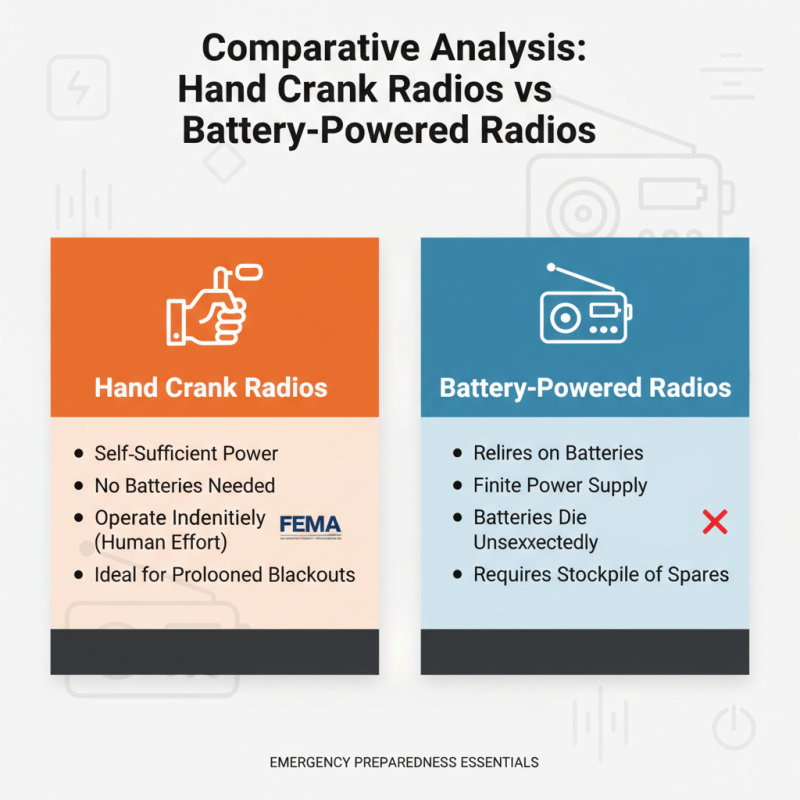
Comparative Analysis: Hand Crank Radios vs. Battery-Powered Radios
When considering emergency preparedness, the choice between hand crank radios and battery-powered radios is crucial. Hand crank radios are self-sufficient. They don't rely on batteries, which can die unexpectedly. According to the Federal Emergency Management Agency (FEMA), these devices can operate indefinitely with human effort. This aspect greatly benefits users during prolonged blackouts.
Battery-powered radios, however, tend to be more convenient at first. They provide immediate access to news and weather updates. Still, they require stocking batteries. A report from the National Safety Council indicates that people often overlook battery management. As a result, when disasters strike, dead radios are common. The risk of reliance on disposables amplifies during severe events.
Both radio types have their merits. Hand crank radios are robust and environmentally friendly. They encourage direct user engagement. Unfortunately, the effort to crank can be daunting during stress. On the contrary, users must be aware of the constant need for battery checks with battery-powered radios. This ongoing maintenance can lead to oversights. Ultimately, while both options provide crucial information, the choice should align with user habits and emergency scenarios.
User Testimonials and Case Studies on Hand Crank Radio Effectiveness
In emergencies, staying informed is critical. Hand crank radios have proven effective in various situations. Many users share stories of how these devices helped during unexpected crises. For instance, during a severe storm, one family relied on their hand crank radio for weather updates. Power was down, but they stayed informed and safe.
Tips for choosing a hand crank radio include checking battery life and reception quality. Look for a model that can pick up multiple channels. A radio with a USB charging option adds extra convenience. User feedback highlights the importance of portability too. A lightweight design makes it easier to carry during evacuations.
Some users felt unprepared without access to reliable information. One individual recalled a time when a hand crank radio was their only source of news after an earthquake. This reliance on a simple tool can highlight gaps in personal emergency plans. Regularly testing and familiarizing oneself with the device can mitigate potential challenges during an actual disaster.