What Is a Portable CB Radio and How Does It Work?
What Is a Portable Cb Radio and How Does It Work?
A Portable Cb Radio is a compact Citizens Band transceiver designed for short-range voice communication. It usually combines a microphone, receiver, transmitter, speaker, battery connection, and antenna socket. Unlike internet-based devices, it can operate without cellular coverage. That makes it useful on road trips, rural work sites, outdoor events, and emergency preparation.
Industry data provides useful context. Grand View Research valued the global two-way radio market at approximately USD 9.4 billion in 2023. It also projects an 8.7% compound annual growth rate from 2024 to 2030. This figure covers professional and consumer radio systems, not CB units alone. The distinction matters. Market reports can show demand, but they cannot prove that every buyer needs a Portable Cb Radio.
The basic process is simple. Your voice reaches the microphone and becomes an electrical signal. The transmitter places that signal on a CB channel. The antenna radiates the signal as radio energy. Another unit receives it and converts it back into sound. Range depends on antenna height, terrain, weather, interference, and power limitations. Joe Carr, author of Practical Antenna Handbook, wrote, “The antenna is the most important part of any radio system.” That advice remains practical beside a vehicle, where poor grounding or a damaged antenna can weaken communication. The FCC generally limits CB output to four watts AM and twelve watts peak envelope power for single-sideband operation under Part 95. Real-world performance varies. That is the part many simplified explanations miss.
Definition and Core Purpose of a Portable CB Radio
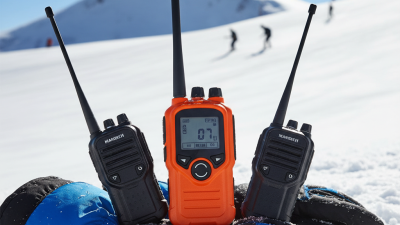
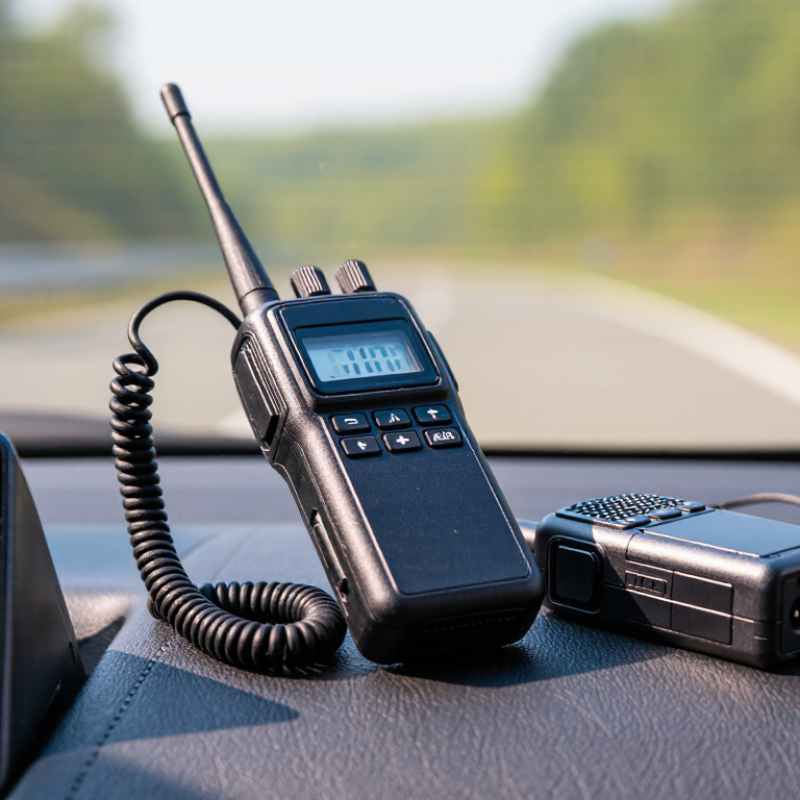
A portable CB radio is a compact two-way communication device designed for short-range voice contact. It uses citizen-band radio frequencies instead of cellular networks or internet service. Its core purpose is practical communication when phones are unavailable, inconvenient, or unreliable. The handheld design includes a microphone, speaker, controls, battery, and antenna in one unit. People may carry it during road trips, outdoor activities, or work around large properties.
When you press the transmit button, the microphone changes your voice into an electrical signal. The radio sends that signal through its antenna as a radio wave. Another radio receives the wave and converts it back into sound. Communication usually happens on a selected channel, so users must listen before speaking. Range depends on antenna position, terrain, buildings, battery strength, and interference. Open ground may provide clearer contact than a crowded urban area. Results can be inconsistent.
Tips:
Hold the radio upright and keep the antenna clear. Speak slowly and close to the microphone. Check the battery before leaving. I have found that many users blame the radio first, although poor positioning often causes weak audio. Short messages work best. Keep your expectations realistic, because portable performance is not always predictable. Follow local frequency and operating rules, which may vary by location.
Main Components and Their Functions
What Is a Portable CB Radio and How Does It Work?
A portable CB radio is a compact two-way communication device for short-range voice contact. It sends and receives signals through a shared antenna. Users select a channel, press the microphone button, and speak. Releasing the button allows incoming audio to play through the speaker. This simple action depends on several coordinated components working together.
The transceiver is the radio’s main circuit. It converts voice into a radio signal, then changes received signals back into sound. The microphone captures speech, while the speaker produces clear audio for the user. An adjustable squelch control reduces background noise when nobody is transmitting. Channel controls select the operating frequency, and a signal meter can show incoming strength. Power may come from replaceable batteries, a rechargeable pack, or a vehicle connection. The antenna is especially important. A poorly positioned antenna can reduce range, even when the radio appears powerful. I have found that holding the unit near metal objects can also affect clarity. That detail is easy to overlook. The casing protects internal parts from dust and minor impacts, but it is not always waterproof. Users should follow local radio regulations and operate only on permitted channels. A practical field check includes battery condition, antenna connection, volume level, and microphone performance. Missing one small check can create frustrating results.
Power Sources, Antennas, and Operating Range
A portable CB radio is a compact two-way communication device designed for short-range voice contact. It sends speech through radio waves rather than mobile networks. Most units use a rechargeable battery pack, replaceable cells, or a 12-volt power socket. Battery capacity matters because transmitting consumes far more energy than listening. A small battery may last several hours, depending on volume, signal strength, and transmission time.
The antenna strongly affects performance. A longer, properly mounted antenna usually captures weaker signals more effectively. Portable models often use flexible antennas, but these can reduce range compared with a full-sized antenna. The radio also needs a suitable ground plane, such as a vehicle body or an approved mounting surface. In open countryside, a clear signal may travel several miles. Buildings, hills, trees, and electrical noise can reduce that distance sharply. My first range estimate was too optimistic.
Tips: Fully charge the battery before leaving. Carry a spare power source for long trips. Keep the antenna upright and away from metal objects. Test the radio in your actual location, not only in a driveway. Listen before transmitting, and keep messages brief. A simple range check with another radio can reveal weak spots. Weather conditions sometimes change results, so one successful test does not prove consistent coverage.
What Is a Portable CB Radio and How Does It Work?
Power sources, antennas, and typical operating range
A portable CB radio is a two-way radio that operates on the citizen-band radio service near 27 MHz.
Typical practical range depends strongly on terrain, buildings, antenna efficiency, installation height, and radio noise.
The chart shows representative mid-range estimates in miles for common operating environments; actual results can vary considerably.
Portable units may use a rechargeable battery pack or a 12-volt DC vehicle supply. A full-length, properly tuned antenna
generally performs better than a shortened antenna, while placing the antenna higher and in a clear location can improve coverage.
Standard CB transmit power is limited to about 4 watts AM, so antenna placement and surrounding conditions are often more important than power alone.
Common Uses, Benefits, and Practical Limitations
A portable CB radio is a compact transceiver operating around 27 MHz. It sends voice through short, user-selected channels. In the United States, FCC Part 95, Subpart D, permits 40 CB channels, with limits of 4 watts AM carrier power and 12 watts peak envelope power for SSB. Many handheld units use a short antenna, rechargeable battery, speaker, and push-to-talk button. The design feels simple in the hand.
Drivers use CB radios for convoy coordination, rural travel, construction sites, and temporary communication when mobile coverage becomes unreliable. The benefit is immediate voice contact without a cellular subscription. A roadside worker can hear changing conditions while wearing gloves. A traveler can share a slow-down warning within seconds. Some units also provide channel scanning and emergency access features, although performance depends heavily on installation and location.
Range varies sharply. Flat, open ground may support several miles, while hills, buildings, and dense trees can reduce coverage dramatically. The ITU-R P.368 propagation model identifies ground conductivity, antenna height, and terrain as important variables. That matches field experience, but advertised range estimates often feel optimistic. A handheld radio with a short antenna usually performs worse than a properly mounted vehicle antenna. Battery life also drops quickly during weak-signal conversations. FCC guidance and operating rules should be checked before use, especially when selecting equipment and antennas. The limitation is real: this is local radio, not a guaranteed long-distance link.