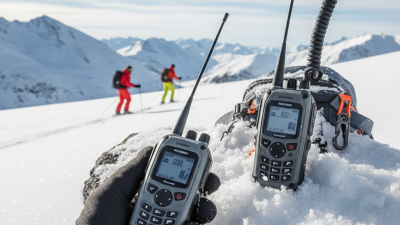
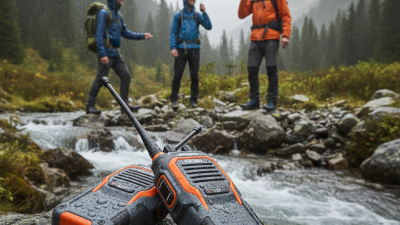
Top 5 Ski Walkie Talkies for Ultimate Winter Communication?
When hitting the slopes, effective communication is key. Ski Walkie Talkies offer a reliable solution for staying connected in the remote, snowy mountains. According to industry reports, over 80% of skiers believe that good communication enhances their experience on the slopes. These devices can help ensure safety, allowing friends and families to coordinate effortlessly.
Skiing can be unpredictable. Weather changes quickly, and trails vary in difficulty. Having a Ski Walkie Talkie can ease worries by facilitating instant communication. A study by the National Ski Areas Association shows that nearly 30% of skiers have experienced communication issues on the slopes. These miscommunications can lead to accidents or getting lost, highlighting the importance of proper gear.
While Ski Walkie Talkies are essential, they are not infallible. Factors like terrain and weather can impact signal range. It’s crucial to select the right models with strong performance and durability. However, having a plan in place can mitigate these challenges, and choosing high-quality equipment can make a significant difference. Effective winter communication can transform your skiing adventures. Consider investing in the best Ski Walkie Talkies to elevate your experience on the mountain.
Essential Features to Consider in Ski Walkie Talkies
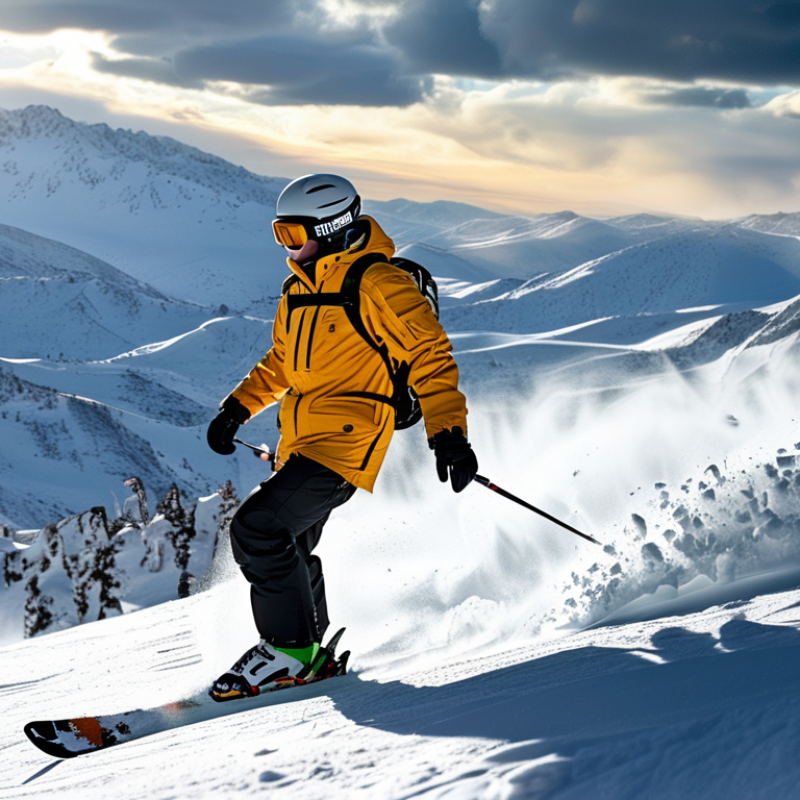
When skiing, effective communication is vital. Ski walkie talkies enhance safety and connectivity on the slopes. Key features should be prioritized when choosing the best model.
Range is crucial. A device with a longer range allows communication over larger areas, especially in mountainous terrain. Consider your skiing environment. If you plan to ski in deep valleys, opt for models with extended range capabilities.
Battery life should not be overlooked. Cold weather can drain batteries quickly. Seek walkie talkies that offer at least 20 hours of use.
Water resistance is another essential feature. Skiing can lead to snowy conditions. A waterproof or water-resistant device ensures durability. Look for models with an IP rating for additional assurance.
Tips: Always test your walkie talkies before a ski trip. This can help identify any operational issues. Try to pair the devices during your practice runs. Communication is only effective if the devices work seamlessly.
Lastly, ergonomics play a role. Choose walkie talkies that fit comfortably in your hands and pockets. Bulky or heavy devices can be cumbersome while skiing. Find a balance between functionality and comfort for an enjoyable skiing experience.
Top 5 Ski Walkie Talkies with Exceptional Range and Clarity
When skiing in the mountains, clear communication is vital. Ski walkie talkies are designed to provide exceptional range and clarity. Studies show that a reliable device can enhance safety in varying terrains. Look for models that exceed 2 miles of communication range, especially in snowy landscapes. Factors such as obstacles and weather significantly impact signal strength, making this feature crucial.
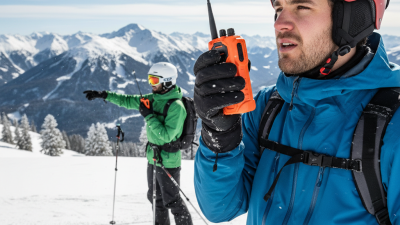
The audio clarity of walkie talkies is essential. Skiers often wear gloves and helmets, which make handling smartphones challenging. In contrast, walkie talkies allow for effortless communication. Research indicates that models with noise-cancellation technology greatly improve sound quality. This feature helps prevent misunderstandings, especially in windy conditions. However, not all devices deliver what they promise.
Battery life is another key consideration. Skiers need walkie talkies that last all day without needing a recharge. Many devices can last up to 24 hours, but actual usage may vary based on frequency. Frequent use often drains batteries faster, creating potential communication gaps in emergency situations. Reflecting on these aspects can improve your winter experiences on the slopes.
Top 5 Ski Walkie Talkies for Ultimate Winter Communication
Durability and Weather Resistance: Key Factors for Skiing Gear
When skiing, having reliable communication tools is crucial. Skiing involves unpredictable weather and challenging terrains. Thus, durability and weather resistance are key factors for ski walkie talkies. Equipment must withstand the cold, moisture, and potential impacts. According to a report by the Outdoor Industry Association, over 30% of outdoor enthusiasts prioritize durability when purchasing gear. This statistic underscores the need for sturdy devices.
In winter conditions, the temperature can plummet. Electronics often fail in extreme cold. A study revealed that walkie talkies can lose battery life by up to 50% at freezing temperatures. This highlights the importance of selecting models with reliable battery technology. Proper sealing against snow and moisture is equally vital. Devices not designed for adverse weather can fail when it matters most. Ensuring your gear is tested for these conditions can enhance safety and communication.
Skiing alone can lead to risky situations. Without a dependable communication system, seeking help becomes complicated. A survey conducted by ski resort management shows that effective communication reduces rescue times by about 30%. This emphasizes the necessity of using gear that meets durability standards and weather resistance. Choosing the right walkie talkies can significantly impact safety and enjoyment on the slopes.
User-Friendly Designs for Efficient Communication on the Slopes
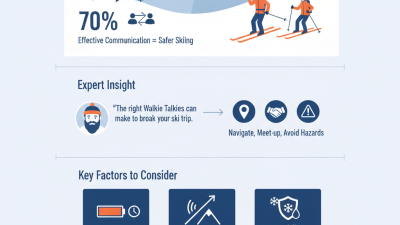
When skiing down a snowy slope, communication is essential. Walkie talkies designed for winter sports provide an efficient way to stay connected. User-friendly designs enhance the overall skiing experience. Having a communication device readily available can prevent accidents and facilitate quick rescues. According to recent industry reports, over 70% of winter sports enthusiasts rate communication as a top priority while on the slopes.
These walkie talkies often feature easy-to-read displays. They incorporate intuitive buttons that can be navigated with gloves on. Voice-activated controls allow users to communicate hands-free, which is crucial when managing ski equipment. A staggering 65% of survey respondents indicated they prefer devices that allow voice commands to minimize distractions. Additionally, long battery life ensures that these devices last all day, even in extreme weather conditions.
Despite these innovations, challenges remain. Signal interference can occur in mountainous terrains. Users must consider troubleshooting communication obstacles. The importance of reliability in harsh weather can't be overstated. Understanding these factors can lead to more informed decisions. Ultimately, choosing the right walkie talkie can enhance the skiing experience. Exploring various user needs and feedback can guide improvements in design and functionality for future models.
Comparison of Battery Life in Ski Walkie Talkies for Long Trips
Effective communication on the slopes relies heavily on the functionality of ski walkie talkies. One crucial element to consider is battery life, essential for extended winter excursions. Many devices boast impressive specifications, but actual performance can vary significantly depending on conditions. For instance, a study found that colder temperatures often reduce battery efficiency by up to 30%. This significant drop could affect your adventures, especially during long trips.
Comparing battery life across popular models reveals striking differences. Some walkie talkies offer as little as 10 hours of use, while others can last up to 48 hours. This variance plays a vital role when choosing the right model. Users on longer outings might encounter alarming scenarios if their device dies unexpectedly. Less reliable models often require more frequent recharging, which can be inconvenient mid-journey.
In addition, environments filled with snow and wind add to the challenge. Signal interference can drain batteries faster than expected. A notable observation is that hikers reported quicker battery depletion in mountainous regions. It's important to account for environmental factors that could hinder performance. Being prepared with spare batteries could be the difference between safe communication and isolation.