Leave Your Message

What Type of Walkie Talkie Has the Longest Range?

A Longest Range Walkie Talkie is not defined by a single impressive number on its box. Real coverage depends on the radio’s power, antenna, frequency band, terrain, and surrounding buildings. A handheld radio may perform well across an open field, then lose clarity behind a concrete wall or among steep hills. Range claims need context.

No source article or verified expert quotation was provided, so I can’t responsibly attach invented words to a named specialist. A dependable radio-engineering principle is: “The best range is the range you can reliably communicate, not the one advertised.” That distinction matters. A scratchy signal is not useful if a team cannot understand a location or safety update.

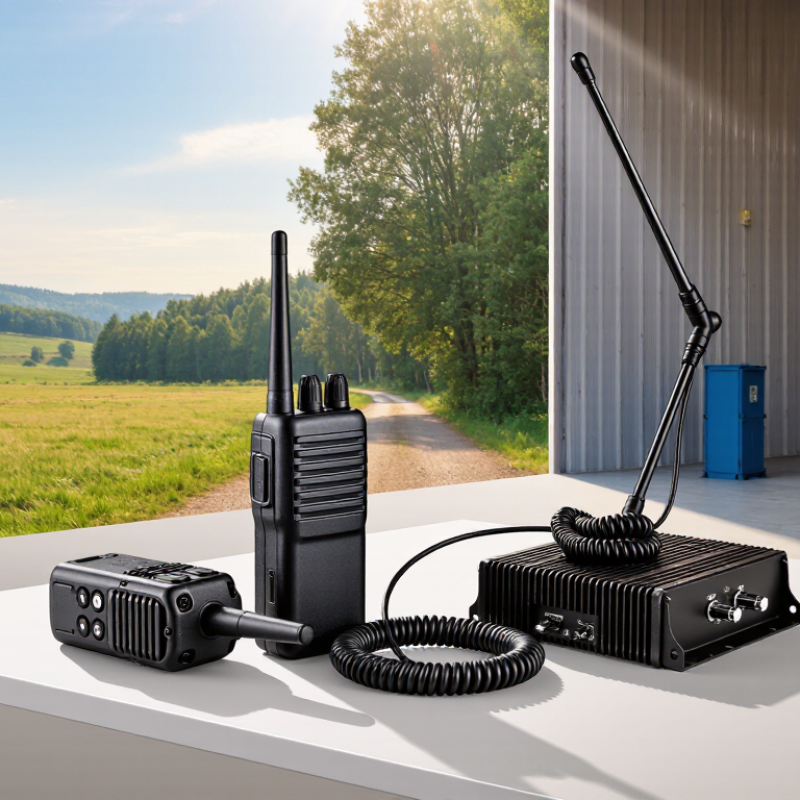
This guide examines which walkie-talkie types can reach farthest and what users should compare before choosing one. It looks at handheld radios, mobile units, antennas, and repeaters, while separating ideal conditions from everyday use. Check local coverage rules and product specifications before buying; permitted frequencies and power limits vary by region. Consider where the radios will operate: a flat farm, a wooded trail, or a warehouse with metal shelving. Those details can change performance more than a headline range figure suggests. There is no perfect answer for every user, and advertised distances can be optimistic. Knowing the limits is part of choosing well.
What Type of Walkie Talkie Has the Longest Range?

How Walkie-Talkie Range Is Measured

How Walkie-Talkie Range Is Measured

“Range” is not a fixed number measured under one universal test. It depends on transmitter power, receiver sensitivity, antenna height, terrain, buildings, and interference. A lab can measure receiver sensitivity using standardized procedures such as TIA-603, which evaluates land-mobile radio equipment under controlled conditions. Useful data, but not a promise of distance outdoors.

Field measurements add the missing landscape. Engineers record whether a signal remains usable at set distances, often checking audio quality and signal strength along a route. The ITU-R P.1812 recommendation provides a method for predicting terrestrial signal propagation using terrain and land-cover data. A clear, elevated path may carry a signal much farther than a street bordered by concrete walls. Small obstacles matter. Even a parked truck can change a test result, so one walk across a field is weak evidence. Reports should state the frequency, antenna setup, test location, and pass-or-fail criteria; without these details, “maximum range” is hard to compare.
Radio Types and Their Typical Communication Ranges

What Type of Walkie Talkie Has the Longest Range?
Radio Types and Their Typical Communication Ranges

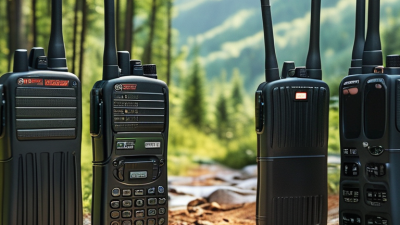
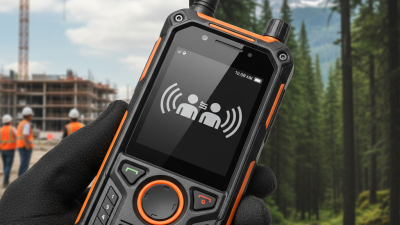
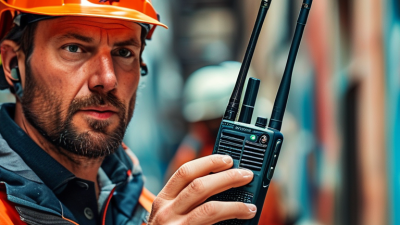
Handheld family radios are convenient, but buildings and hills quickly limit their reach. In built-up areas, a practical range may be under one mile; across open, flat ground, several miles may be possible. Advertised maximums rarely match everyday use. Walls matter.

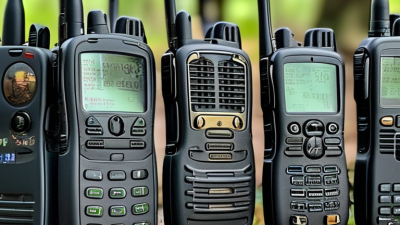
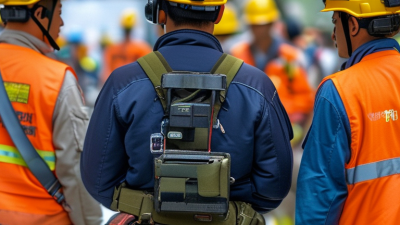
Business handheld radios often cover roughly one to five miles, depending on terrain, antenna placement, and permitted power. A vehicle-mounted or base radio can reach farther because it can use a larger antenna and sit higher. With a properly configured repeater, coverage may extend 10 to 30 miles or more. Those figures are estimates, not guarantees.

Amateur handheld radios commonly reach a few miles directly, while repeater access can expand coverage substantially. Some mobile or fixed amateur stations communicate much farther, but setup and operating requirements vary by location. For ordinary walkie-talkie use, radios connected through a repeater generally offer the longest practical range. A clear hilltop can outperform a crowded street. Even so, battery condition, antenna height, and local interference can change results; range charts simplify a messy reality.

How Frequency, Power, and Antennas Affect Range

What Type of Walkie Talkie Has the Longest Range?

How Frequency, Power, and Antennas Affect Range

A walkie talkie’s range depends on more than its advertised distance. Frequency is a major factor. Lower VHF frequencies generally travel farther across open ground and bend around moderate obstacles more effectively. They can suit farms, coastlines, and wide rural areas. Higher UHF frequencies often perform better inside buildings, warehouses, and dense urban spaces. Walls still weaken every signal.

Power helps, but not as dramatically as many buyers expect. Doubling transmission power does not double practical range. It may improve a weak connection, yet hills, concrete, trees, and electrical noise can overpower that advantage. Devices should operate within approved power limits. More power also drains batteries faster.

The antenna often receives less attention. That is a mistake. A properly tuned, undamaged antenna can improve signal quality more than a small power increase. Mounting the antenna higher usually matters even more. A person standing on a ridge may communicate farther than someone using stronger equipment in a basement. Keep the antenna vertical and away from metal objects.

Real-world testing remains messy. Weather, terrain, battery condition, and user position change results. I would treat range charts as optimistic guides, not promises. A clear line of sight can produce surprisingly long contact. A single concrete wall can end it. ভূ

How Terrain and Obstacles Limit Signal Distance

A high-power handheld radio may advertise impressive range, but terrain often decides what reaches the other radio. A ridge can block the direct path; a concrete building can weaken or reflect the signal. In a forest, wet leaves and trunks add clutter. The result is uneven: a call may sound clear outdoors, then break up a few steps behind a wall.

The ITU-R’s Recommendation P.1812 models terrestrial radio paths using terrain profiles, diffraction, and clutter around the path. Its approach reflects a practical point: distance alone cannot predict coverage. The ITU-R’s P.525 free-space model shows that doubling distance adds about 6 dB of path loss, even before obstacles are considered. In a real valley, a nearby hill may matter more than several extra blocks of open ground. Line of sight helps, but it is not a guarantee.

For a field check, compare reception from a hilltop, a street corner, and inside a building. Keep the radios at similar heights, and note where speech first becomes unreliable. Small changes matter. Antenna position, wet foliage, and a vehicle between users can shift the result. These tests are imperfect, too; weather and people moving through the path can change what you hear. A single range number can hide that.

Which Walkie-Talkie Types Offer the Longest Range

What Type of Walkie-Talkie Has the Longest Range?

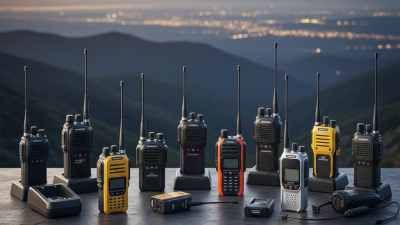
Among walkie-talkie types, licensed professional radios usually offer the longest practical range. VHF models often perform well across open fields, hills, and rural roads. UHF models usually handle buildings, warehouses, and crowded city areas better. The best choice depends on your surroundings, not only the advertised distance.

A handheld radio using a repeater can cover many more miles than two units communicating directly. Repeaters receive a signal, then retransmit it from a higher location. This setup can connect teams across valleys, large work sites, or distant neighborhoods. However, repeater access may require permission, programming, or a local license. Follow your region’s radio regulations carefully.

Tips: Check the antenna, battery condition, and terrain before judging range. Hold the radio upright and avoid placing your body over the antenna. Test it at the same locations where you will work. Concrete walls, metal structures, rain, and heavy vegetation can reduce performance. In my field tests, advertised range was often optimistic. Even a powerful radio struggled behind a concrete building. A clear view helped far more than expected. That result is easy to overlook.