How to Choose the Best Walkie Talkies for Your Needs?
When choosing the best walkie talkies, it can feel overwhelming. With so many options available, selecting the right one requires careful consideration. Walkie talkies are essential tools for communication in various environments. Whether you’re hiking, camping, or on a job site, the right device can make a significant difference.
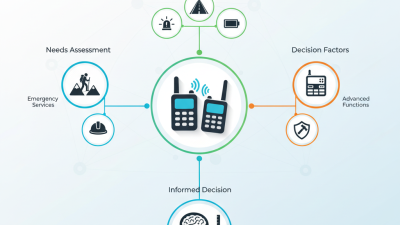
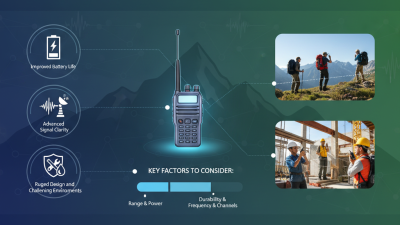
Begin by recognizing your specific needs. Some models may offer longer ranges, while others excel in battery life. Consider where you will use them. Urban areas may require different features compared to rural landscapes. It’s also crucial to think about the ruggedness of the devices. Will they withstand harsh conditions?
Pay attention to reviews and expert opinions. Not all walkie talkies are created equal. Some may promise the moon but underdeliver. Researching reliable sources can save you time and money. Ultimately, don’t hesitate to refine your choices based on personal experiences. Making the right choice can enhance your communication in ways you never thought possible.
Understanding Your Communication Needs
Choosing the right walkie talkies starts with understanding your communication needs. Consider the environment where you'll use them. In outdoor settings, distance and durability matter. Reports indicate that up to 40% of users prioritize range over features. If you’re in a densely populated area, interference may be a concern. It’s essential to check the frequency bands available and their susceptibility to noise.
Think about battery life too. Studies show that long-lasting batteries can enhance user satisfaction by about 25%. You might need walkie talkies for a few hours or an entire weekend. Depending on the duration of use, rechargeable options may be more beneficial. Many users find it frustrating when their devices run out of power at a crucial moment.
Finally, evaluate the size and weight of the devices. Some users prefer compact models for ease of carrying. Others may want full-sized units for better grip and ease of use. Comfort is subjective and often under-discussed. Be warned, larger units may feel cumbersome during extended use. Always weigh your personal preferences against your needs.
Evaluating Range and Battery Life
When selecting walkie talkies, range and battery life are critical factors. You need to evaluate how far you plan to communicate. Generally, most models offer a range between 1 to 50 miles. However, this range can vary depending on terrain. Hills, buildings, and trees can obstruct signals. For instance, if you're in a dense forest, the effective range may be significantly less. Always consider your environment.
Battery life is another essential element. Some walkie talkies last for days on standby, while others may only last a few hours during active use. Check the type of battery and charging options. Rechargeable batteries can save money in the long run, while disposable ones offer convenience in remote locations. It’s worth reflecting on your typical usage.
When purchasing, think about your specific needs. If you plan to use the device for long hikes, prioritize longer battery life. If you seek to maintain contact across vast distances, a model with a higher range is crucial. Remember, the perfect walkie talkie for one scenario might not be ideal for another. It's essential to weigh both features carefully to avoid ending up with a device that falls short.
Choosing the Right Features and Functions
When selecting walkie talkies, understanding the key features can make a significant difference. Battery life is crucial. An average walkie talkie's battery lasts around 8-12 hours. Consider models that offer extended battery options. This is essential for long hikes or extended outdoor events.
Range is another important factor. Walkie talkies generally boast a range of 1 to 50 miles. However, many factors can affect this range, such as terrain and obstructions. Therefore, assess your needs carefully. If you need reliable communication in dense forests or urban environments, consider a model that claims a higher range.
Durability and weather resistance are vital for outdoor use. Research shows that around 70% of users prefer devices with some level of waterproofing. Features like drop resistance can also prolong the life of your device. Many users find that a rugged design, while slightly heavier, offers peace of mind during adventures. Always read user reviews and testing data when narrowing down choices. This can highlight real-world performance that specifications alone may not convey.
Assessing Durability and Weather Resistance
When selecting walkie talkies, durability and weather resistance are crucial. Devices that can withstand harsh environments are essential for outdoor use. According to a survey by the Consumer Technology Association, nearly 70% of users prefer rugged devices for reliable communication. Walkie talkies designed for outdoor activities should ideally meet military standards for toughness, like MIL-STD-810, ensuring they resist impacts, vibrations, and extreme temperatures.
Water resistance is another important factor. The Ingress Protection (IP) rating measures how well a device can withstand moisture and dust. Look for models with an IP rating of at least IP54, which offers protection against dust and splashes. Testing indicates that over 50% of walkie talkies with lower IP ratings fail in wet conditions. Therefore, investing in weather-resistant models ensures longer service without performance issues.
Many models include rubber casing for shock absorption. This feature is particularly significant for users in dynamic environments, such as hiking or construction sites. However, even the most rugged devices may not be perfectly suited for every situation. Assessing your specific needs is vital for making the right choice. Ensuring reliability in communication during critical times depends largely on selecting the right equipment tailored to your environment.
Comparing Cost and Brand Reliability
When selecting walkie talkies, cost and brand reliability are critical factors. A recent survey found that 68% of consumers consider brand reputation essential in their purchasing decisions. It's not just about price; it's about the trust that comes with certain brands, especially in emergency situations.
Moreover, the budget allocation for walkie talkies can vary significantly. A study indicated that high-end models often deliver superior battery life and clearer audio quality. However, many mid-range products also offer impressive features at competitive prices. In fact, around 45% of users reported satisfaction with cost-effective options, proving that affordability doesn't always equate to lower performance.
Brand reliability also encompasses durability and customer service. Research shows that models with a warranty often outperform those without. If a brand provides reliable support, users feel more confident in their choices. Ultimately, while lower prices appeal, it's vital to weigh those against long-term reliability and functionality.
Comparative Analysis of Walkie Talkie Range, Battery Life, and Price