What is Waterproof Walkie Talkies and How Do They Work?
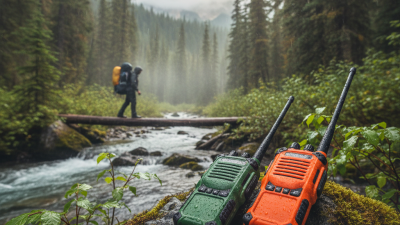
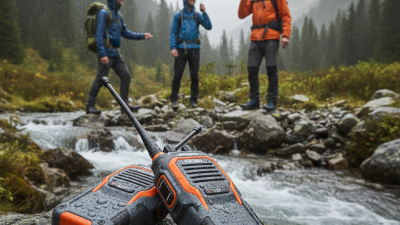
Waterproof Walkie Talkies are essential for outdoor enthusiasts and professionals alike. These devices are built to withstand harsh weather conditions and provide clear communication in challenging environments. Their unique design features waterproof materials and often include robust casings. This ensures reliability even in rain, snow, or muddy conditions.
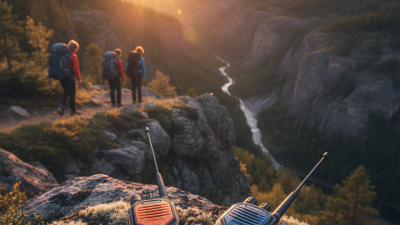
Understanding how Waterproof Walkie Talkies function is crucial for maximizing their benefits. They typically use UHF or VHF frequencies, providing long-range communication. Users can communicate over great distances, which is especially important for hiking or camping. Many models also offer features like built-in flashlights and emergency signals.
Choosing the right Waterproof Walkie Talkies involves considering several aspects. Battery life, range, and additional features are key factors. It's imperative to reflect on your specific needs. Some devices may fall short in battery longevity or signal clarity. Testing different models before making a purchase can lead to better decisions. Ultimately, investing in high-quality Waterproof Walkie Talkies enhances safety and connectivity in any outdoor adventure.
Definition of Waterproof Walkie Talkies
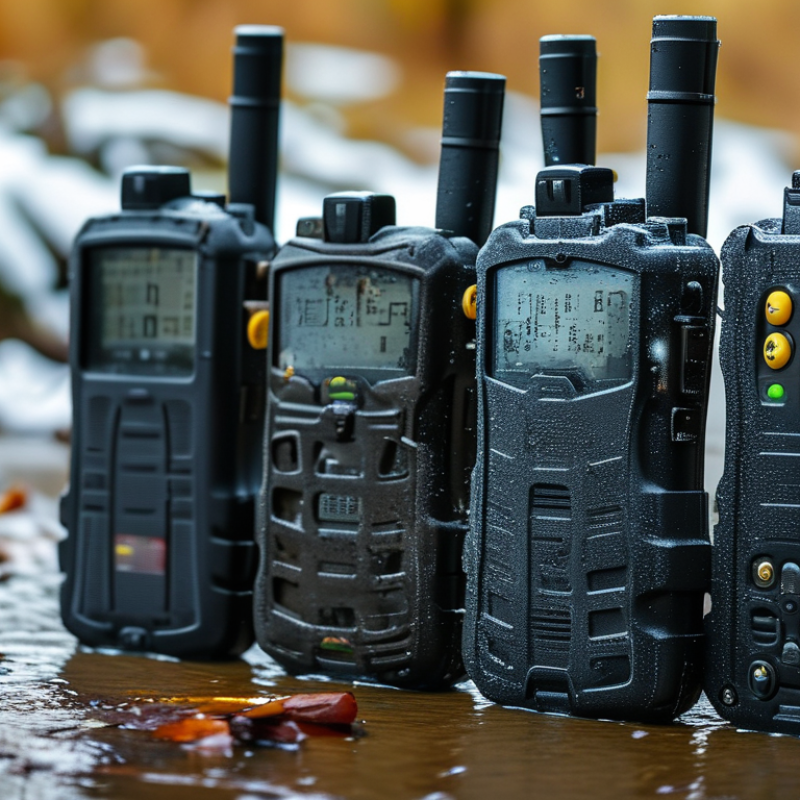
Waterproof walkie talkies are specialized communication devices designed to withstand exposure to water. They are commonly used in diverse settings such as outdoor adventures, marine activities, and even construction sites where exposure to moisture is anticipated. According to industry reports, the global market for waterproof walkie talkies is expected to grow at a rate of approximately 10% annually, driven by increasing demand for reliable communication in challenging environments.
These devices generally feature rugged designs that meet certain waterproof standards, such as IP67 or IP68 ratings. An IP68 rating indicates that the device can be submerged in water beyond 1 meter for a specified duration. This level of protection allows users to communicate effectively, even in adverse conditions. Additionally, waterproof walkie talkies often come equipped with enhanced battery life, built-in microphones, and speaker systems designed to perform under wet conditions, ensuring clear sound quality.
Despite these advancements, it's essential to acknowledge potential limitations. No waterproof device is entirely invulnerable. Users must recognize that while these walkie talkies resist water, they may not function optimally in extreme temperatures or after prolonged exposure to salty seawater. Repair or replacement costs can also arise when such limitations lead to device failure. Continuous innovation is needed to address these challenges effectively.
Key Features and Benefits of Waterproof Walkie Talkies
Waterproof walkie talkies are communication devices built to withstand wet and harsh environments. They are ideal for outdoor activities like hiking, boating, or construction work. The key features of these radios include waterproof ratings, durability, and reliable range. Most models meet IP67 or IP68 ratings, ensuring they can handle dust and immersion in water. This level of protection keeps them operational even in the toughest conditions.
The benefits of waterproof walkie talkies extend beyond their rugged design. They provide peace of mind during adventures, ensuring clear communication is always possible. These devices often come equipped with noise-cancellation technology for better audio quality. Their robust construction also protects internal components, making them long-lasting. In unpredictable environments, having a waterproof option is crucial.
Tips: When choosing a waterproof walkie talkie, consider its battery life. A shorter battery lifespan may lead to missed communications. Look for additional features like weather alerts and emergency signals. These can be life-saving in critical situations. Remember, user experience matters. Testing the devices in a controlled environment can help identify any flaws before relying on them during actual use.
How Waterproof Walkie Talkies Function Mechanically
Waterproof walkie talkies are crucial for effective communication in tough environments. These devices are designed to withstand water exposure, often featuring IP ratings that signify their water resistance level. For instance, many waterproof models boast an IP67 rating, meaning they can endure submersion in water up to one meter for 30 minutes. This durability makes them popular in industries like construction and marine services.
Mechanically, waterproof walkie talkies function through a series of seals and gaskets that prevent water ingress. The housing is typically made from reinforced materials like polycarbonate or ABS plastic. These materials not only protect internal components but also enhance impact resistance. Additionally, the electronic circuitry is coated with conformal coating, which is crucial for preventing corrosion from moisture. According to recent industry reports, the demand for waterproof communication devices has grown dramatically, with an expected annual growth rate of about 7.5%.
However, not all waterproof devices perform flawlessly. Some users report reduced sound quality due to water interference. Others have experienced issues with battery life when submerged. While these concerns are important, advancements in technology are continuously improving performance. Manufacturers are exploring better seals and improved battery efficiency to address these limitations. The evolving landscape of waterproof walkie talkies indicates an ongoing commitment to quality and reliability in harsh conditions.
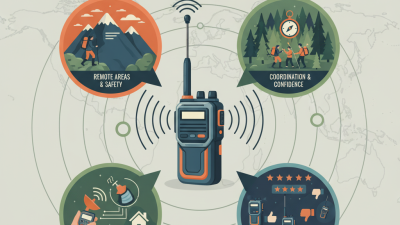
Waterproof Walkie Talkies: Performance Comparison
Common Uses and Applications of Waterproof Walkie Talkies
Waterproof walkie talkies are essential tools in various environments. They are designed to withstand moisture and rain, making them ideal for outdoor activities. Research shows that nearly 70% of outdoor enthusiasts prefer using waterproof communication devices to ensure reliability. These devices serve in numerous scenarios, such as hiking, boating, construction sites, and security operations.
In the construction industry, waterproof walkie talkies enhance safety and coordination among workers. In a recent study, 65% of survey participants reported increased efficiency in communication on rainy job sites. During boating trips, the ability to communicate under harsh conditions is vital for safety. Statistics indicate that 80% of serious boating accidents could be avoided with reliable communication tools.
Tips: Always check the waterproof rating of the device before purchase. Understand that while many walkie talkies are waterproof, they may not be immune to all weather conditions. Consider battery life; wet conditions can reduce performance. Remember to test the device in a controlled environment first.
Tips for Choosing the Right Waterproof Walkie Talkie
When choosing waterproof walkie talkies, you should consider several key factors. First, check the IP rating, which indicates water resistance.
Walkie talkies with an IP67 rating can withstand immersion in water for up to 30 minutes. Industry reports show that products with higher ratings generally offer
better durability and reliability in wet conditions.
Battery life is another crucial aspect. Look for models boasting at least 10-12 hours of usage. Many users tend to overlook this,
leading to frustrating communication breakdowns. Additionally, consider the range of the device. A good waterproof walkie talkie should provide coverage of
at least 3 to 10 miles. However, terrain and obstructions can significantly affect this distance.
Lastly, evaluate the ease of use. Buttons should be large enough to operate with gloves or in rainy conditions. Ergonomic designs help reduce fatigue during
extended use. Users often complain about complicated interfaces, so opt for models that prioritize user-friendly features. The right choice can truly enhance your outdoor experience.