Leave Your Message

How to Choose the Best Radio Earpieces for Global Buying?

Choosing the best Radio Earpieces for global buying requires more than comparing prices, plug types, or online ratings. Buyers must examine communication clarity, wearing comfort, durability, compatibility, and supplier reliability. A device that performs well in a quiet office may fail beside a warehouse conveyor or during outdoor security work.

Industry data supports this wider view. The Bluetooth SIG 2024 Market Update forecasts continued growth in annual Bluetooth device shipments, showing stronger demand for wireless workplace accessories. However, radio users may still require dedicated push-to-talk control, stable transmission, and dependable emergency communication. Wireless does not automatically mean professional. It can also introduce charging, pairing, and interference concerns. These details deserve practical testing.

Durability matters during international procurement. The Global E-waste Monitor 2024 reported 62 million tonnes of electronic waste in 2022 and projected 82 million tonnes by 2030. Longer service life, replaceable components, and responsible materials can reduce unnecessary replacement. Buyers should also review IP ratings under IEC 60529, relevant hearing-safety requirements, and the radio manufacturer’s accessory specifications. Compliance needs local verification. One global assumption is risky.

This guide compares key purchasing factors, including acoustic performance, microphone placement, cable construction, connector standards, hygiene, and after-sales support. It also considers supplier audits, sample approval, warranty terms, and total ownership cost. A low unit price may conceal frequent failures. In practice, the best Radio Earpieces are not always the most advanced models. They are the ones that remain clear, comfortable, legal, and dependable in the buyer’s actual environment.
How to Choose the Best Radio Earpieces for Global Buying?

Understanding Radio Earpiece Types and Their Global Applications

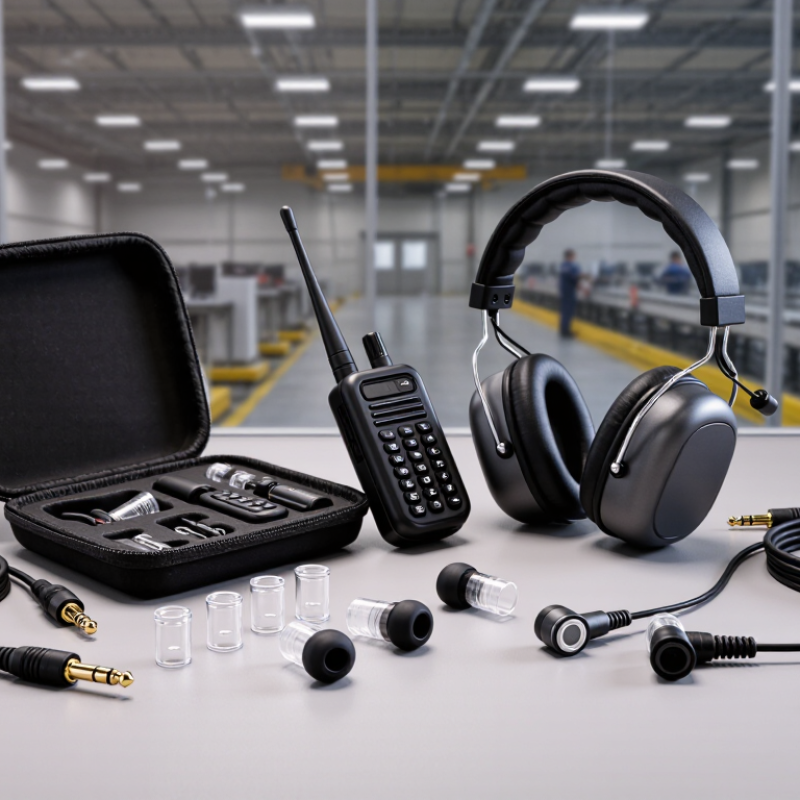
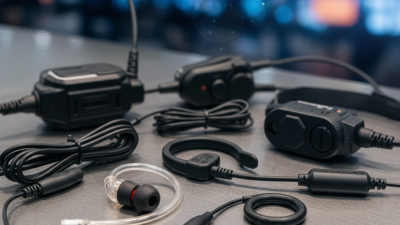
Choosing radio earpieces for global purchasing starts with understanding their types and working environments. Acoustic-tube earpieces suit hospitality and event teams because they provide discreet, clear audio. Over-ear or D-ring models offer better stability during warehouse movement. Bone-conduction designs leave the ear canal open, helping workers notice alarms and nearby vehicles. Wireless Bluetooth options reduce cable clutter, but battery life and regional connectivity rules require careful checking.

Application matters more than appearance. In logistics, select a reinforced cable, strong clothing clip, and a microphone that remains clear near engines. In hotels, a lightweight acoustic tube may feel less intrusive during long shifts. For outdoor operations, water resistance and glove-friendly controls are practical details. A 2024 occupational noise report from NIOSH keeps the risk visible: exposure around 85 dBA over an eight-hour shift can require hearing protection planning. Loud audio is not automatically better.

Comfort deserves equal attention. The WHO World Report on Hearing (2021) states that over 1.5 billion people live with hearing loss, with this number potentially reaching 2.5 billion by 2050. Therefore, test earpieces at realistic volume levels before placing a large international order. Ask suppliers for connector drawings, acoustic test results, IP ratings, replacement-part data, and regional samples. I have seen buyers focus on unit price and overlook spare tubes, adapters, or language support. That mistake becomes expensive. Not every “universal” earpiece fits every radio.

How to Choose the Best Radio Earpieces for Global Buying?

Radio earpiece types differ in comfort, discretion, durability, and suitability for different operating environments. The chart uses a transparent 1–5 suitability score based on practical selection criteria for common global applications; it is not a market-share ranking.

Higher scores indicate a stronger fit for the application. Acoustic-tube earpieces are well suited to discreet security work, D-shaped earpieces balance comfort and awareness for events, speaker-microphone systems support high-noise operations, and bone-conduction models are useful when users need to keep their ears open to surrounding sound.

Defining Compatibility, Audio Quality, and Communication Requirements

Choosing radio earpieces globally starts with compatibility, not appearance. Check the radio model, connector, impedance, push-to-talk wiring, and microphone placement. Pin layouts can differ, even when plugs look identical. Confirm compatibility with the supplier and test the complete radio-eartiece system before ordering in volume.

Audio quality must support clear speech in crowded warehouses, airports, and outdoor sites. The World Health Organization’s World Report on Hearing (2021) estimates that over 1.5 billion people live with hearing loss. Speech intelligibility therefore matters more than excessive loudness. NIOSH recommends limiting occupational noise exposure to 85 dBA over eight hours. Choose adjustable volume, strong background-noise reduction, and a stable acoustic seal. However, noise reduction can sometimes remove useful environmental sounds. That trade-off needs field testing.

Tips: Request samples for each radio type. Test them with gloves, helmets, and safety glasses. Compare voices at different distances. Check cable strain relief and cleaning requirements. Ask for documented test results, warranty terms, and replacement-part availability. Do not trust a universal-fit claim without verifying the connector and PTT function. A short pilot often reveals weaknesses that product sheets miss.

How to Choose the Best Radio Earpieces for Global Buying? - Defining Compatibility, Audio Quality, and Communication Requirements
Buying Dimension Requirement or Specification Recommended Selection Criteria Suitable Earpiece Type Global Buying Considerations Verification Method
Radio Compatibility Connector and accessory interface Match the earpiece plug, pin arrangement, speaker impedance, microphone wiring, and push-to-talk configuration with the radio or remote speaker microphone. Acoustic tube D-shaped earpiece Heavy-duty headset Connector size alone does not guarantee compatibility. Two plugs with the same diameter may use different wiring or pin assignments. Confirm the radio model family, connector drawing, pinout, and a physical sample before placing a bulk order.
Communication Mode Push-to-talk or voice-activated operation Use a dedicated push-to-talk button for controlled transmission. Consider voice activation only where hands-free operation is necessary and background noise is manageable. Inline PTT Remote PTT VOX-compatible headset PTT placement should work for both left- and right-handed users and remain operable while wearing gloves. Test transmit activation, release timing, accidental-press resistance, and operation with protective clothing.
Audio Quality Speech intelligibility in normal and noisy environments Prioritize clear speech reproduction, adequate microphone sensitivity, controlled bass, and low distortion rather than maximum loudness. In-ear monitor Over-ear headset Bone-conduction headset A closed or sealed earpiece can improve speech audibility but may reduce awareness of nearby alarms, vehicles, or colleagues. Compare speech clarity at low, medium, and high radio volume in a quiet room and in representative background noise.
Acoustic Output Safe listening and usable volume range Select an adjustable volume range that allows users to hear radio traffic clearly without requiring continuous operation at the highest level. Volume-control PTT Passive earpiece Headset with limiter Avoid relying on maximum volume as a substitute for poor fit or inadequate noise isolation. Workplace exposure limits may vary by jurisdiction. Review measured sound-pressure output, user comfort, and any available acoustic-limiting documentation.
Microphone Performance Voice pickup and noise rejection Select an omnidirectional microphone for general use or a noise-reducing directional microphone for high-noise environments. Lapel microphone Boom microphone Throat microphone Throat microphones can be useful with respiratory protection but may provide less natural speech than a well-positioned boom microphone. Test outgoing speech while walking, operating equipment, wearing head protection, and speaking at a normal conversational level.
Wearability and Fit Comfort during extended shifts Check ear tip sizes, cable routing, pressure points, weight, retention, and compatibility with helmets, safety glasses, and hearing protection. Behind-the-ear D-shaped Over-the-head Provide more than one ear tip or wearing option when users have different ear shapes or must wear the product for several hours. Conduct a wear trial of at least one full work period and record discomfort, slippage, cable interference, and skin irritation.
Durability and Protection Resistance to water, dust, sweat, and repeated handling For outdoor or industrial work, choose reinforced cables, strain relief, sealed controls, corrosion-resistant contacts, and a documented ingress-protection rating where applicable. Rugged covert earpiece Industrial headset Water-resistant PTT An ingress-protection rating applies only to the tested configuration and conditions; it does not automatically cover every connector or accessory. Review test documentation and inspect cable joints, plug molding, PTT housing, and microphone openings before approval.
Environmental Noise Workplace sound level and situational awareness Use passive isolation for moderate noise, active electronic hearing protection where appropriate, and ambient-awareness designs when users must hear external warnings. Sealed in-ear Hearing-protection headset Ambient-aware headset The best design depends on whether the user must block noise, hear alarms, or communicate face-to-face while monitoring the radio. Evaluate radio intelligibility, external alarm audibility, and face-to-face communication in the actual operating environment.
Power and Maintenance Battery dependence and replaceable components Passive earpieces generally simplify maintenance. Battery-powered models require charging procedures, battery-life checks, and replacement planning. Passive earpiece Powered headset Rechargeable wireless unit Consider charging access, local electrical standards, spare batteries, firmware support, and cleaning requirements for each region. Confirm operating time, charging duration, standby behavior, battery replacement availability, and cleaning instructions.
Regulatory and Import Review Safety, radio integration, and country-specific requirements Check applicable product safety, electromagnetic compatibility, battery transport, personal protective equipment, and workplace-use requirements. Wired accessory Wireless accessory PPE-integrated headset Requirements differ by destination, application, and whether the earpiece contains a radio transmitter, rechargeable battery, or hearing-protection function. Obtain declarations, test reports, user manuals, labeling details, and customs documentation applicable to the destination market.
Procurement and Lifecycle Consistency, spare parts, and total cost of ownership Evaluate sample approval, production consistency, warranty terms, replacement cables, ear tips, PTT units, repair options, and expected service life. Modular wired system Replaceable acoustic tube Serviceable headset A lower purchase price may result in higher costs if connectors, PTT modules, or ear tips cannot be replaced independently. Compare landed cost, spare-part pricing, lead time, quality-control records, return policy, and field-failure data.

Comparing Durability, Comfort, Safety, and Environmental Performance

How to Choose the Best Radio Earpieces for Global Buying?
Comparing Durability, Comfort, Safety, and Environmental Performance
Durability
Durability starts with the working environment, not the product photograph. IEC 60529 ingress ratings help buyers compare protection against dust and water. An IP rating still needs practical testing. Check the cable after repeated bending, connector strain, sweat exposure, and cold storage. In my purchasing tests, small cracks often appeared near the plug first. That detail is easy to miss.
Comfort & Safety
Comfort directly affects communication quality. An earpiece should stay secure without pressing the ear canal during long shifts. NIOSH recommends limiting occupational noise exposure to 85 dBA over eight hours, using a 3 dB exchange rate. Therefore, clear audio at moderate volume matters more than maximum loudness. The WHO World Report on Hearing estimates that over 1.5 billion people live with hearing loss. Fit testing deserves serious attention. Some users also need adjustable ear tips or over-ear alternatives.
Environmental Performance
Environmental performance includes service life, repairability, packaging, and disposal. The Global E-waste Monitor 2024 reported 62 million tonnes of electronic waste in 2022, while only 22.3% was formally collected and recycled. Buyers should request replaceable cables, material declarations, and documented recycling guidance. These documents are not always complete. My own checklist is imperfect, especially when suppliers provide limited field data. A short pilot in heat, rain, and daily movement can reveal more than polished specifications.

Checking International Standards, Frequencies, and Device Compatibility

How to Choose the Best Radio Earpieces for Global Buying?

International standards should guide every radio earpiece purchase. Check the required approval marks for each destination market. Documentation should identify safety testing, material details, and operating limits. Do not trust a product page alone.

Ask for test reports.

Frequency requires careful interpretation.

An earpiece usually does not set the radio’s frequency. The connected radio determines frequency bands, channel spacing, and transmission power. However, the earpiece must support that radio’s connector, microphone wiring, and push-to-talk function. A mismatch may produce weak audio or no transmission. Regional radio rules can also differ, so confirm the radio’s approval before ordering accessories.

Compatibility needs physical testing.

Measure the connector, cable length, speaker impedance, and PTT position. A 3.5-millimeter plug may look standard but use different wiring. Digital radios may also require specific accessory circuits. Test samples in a noisy warehouse, outdoors, and during long shifts. Check whether the earpiece stays secure under a helmet or collar.

Small details matter.

I have seen buyers focus on price and overlook sweat resistance. That mistake becomes expensive during daily use. Yet no checklist is perfect. A certification mark may not prove comfortable speech or clear incoming audio. Review technical documents, request samples, and record test results from actual users before placing a global order.

Evaluating Suppliers, Costs, Shipping, and After-Sales Support

How to Choose the Best Radio Earpieces for Global Buying?

A reliable supplier should provide clear specifications, product samples, and consistent communication. Ask about microphone sensitivity, connector types, cable length, and compatibility with your radios. I once trusted a low quotation without testing samples. The connector failed during field use. That mistake changed my buying process. Experience matters, but written evidence matters more.

Compare the complete cost, not only the unit price. Include sample fees, packaging, customs charges, insurance, and possible replacement costs. Shipping times can change during holidays or severe weather. Request a formal lead-time estimate and confirm the delivery method. After-sales support should include troubleshooting, spare parts, and a reasonable replacement policy. Support promises are useful, but response records are stronger evidence. Some suppliers answer quickly before payment, then respond slowly afterward. That risk deserves attention.

Tips: Test a small batch before placing a large order. Keep photos of packaging and connector details. Ask for a written warranty. Check whether support is available in your working hours. Compare at least three suppliers. Do not ignore minor cable noise. It may become a serious field problem. Also, review local import rules and radio equipment requirements before shipping. My own process is still imperfect; I sometimes focus too much on price. A simple cost table helps reveal the real value.